Preventing Stormwater Pollution
Learn how to keep leaves, litter, chemicals and other pollutants out of storm drains and local waterways.
Learn More
;%20}%20%3c/style%3e%3c/defs%3e%3cg%20id='c'%20data-name='Layer%201'%3e%3cpath%20class='d'%20d='M1308,389.62c0-130.65-108.28-246.14-274.2-316.6-13.54-5.83-27.31-11.2-41.54-16.33-4.43-1.63-9.1-3.03-13.77-4.67-13.3-4.67-26.84-8.87-40.61-12.83-8.87-2.57-17.73-4.9-26.84-7.23-4.43-1.17-9.1-2.1-13.77-3.27C821.67,10.5,739.76,0,653.18,0,292.4-.23,0,173.81,0,388.45c0,118.52,89.38,224.67,229.86,296.06,113.88,57.86,261.6,92.86,422.85,92.86,75.38,0,147.49-7.7,214.93-21.7,0,0,.7,0,1.87-.47,2.1-.47,4.2-.93,6.3-1.4,2.8-.47,6.07-.7,9.8-.7,11.43,0,27.3,3.5,44.57,15.86,46.91,40.36,107.12,66.03,173.15,66.03,15.64,0,23.8-1.87,31.5-3.03-52.97-14.46-105.01-65.79-58.34-145.82,141.42-71.39,231.5-177.78,231.5-296.76v.23Z'/%3e%3c/g%3e%3c/svg%3e)
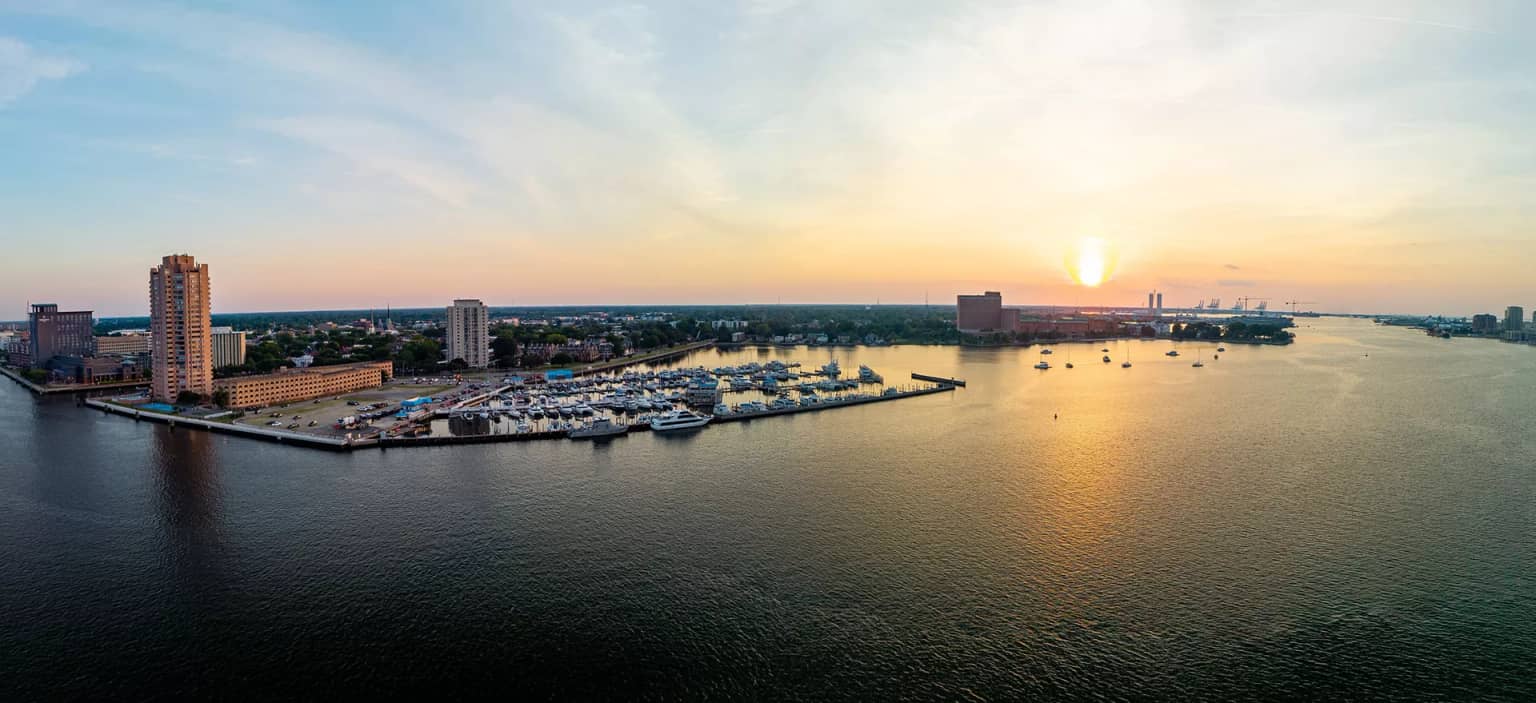
What goes into storm drains eventually ends up in our rivers, streams and the Chesapeake Bay.
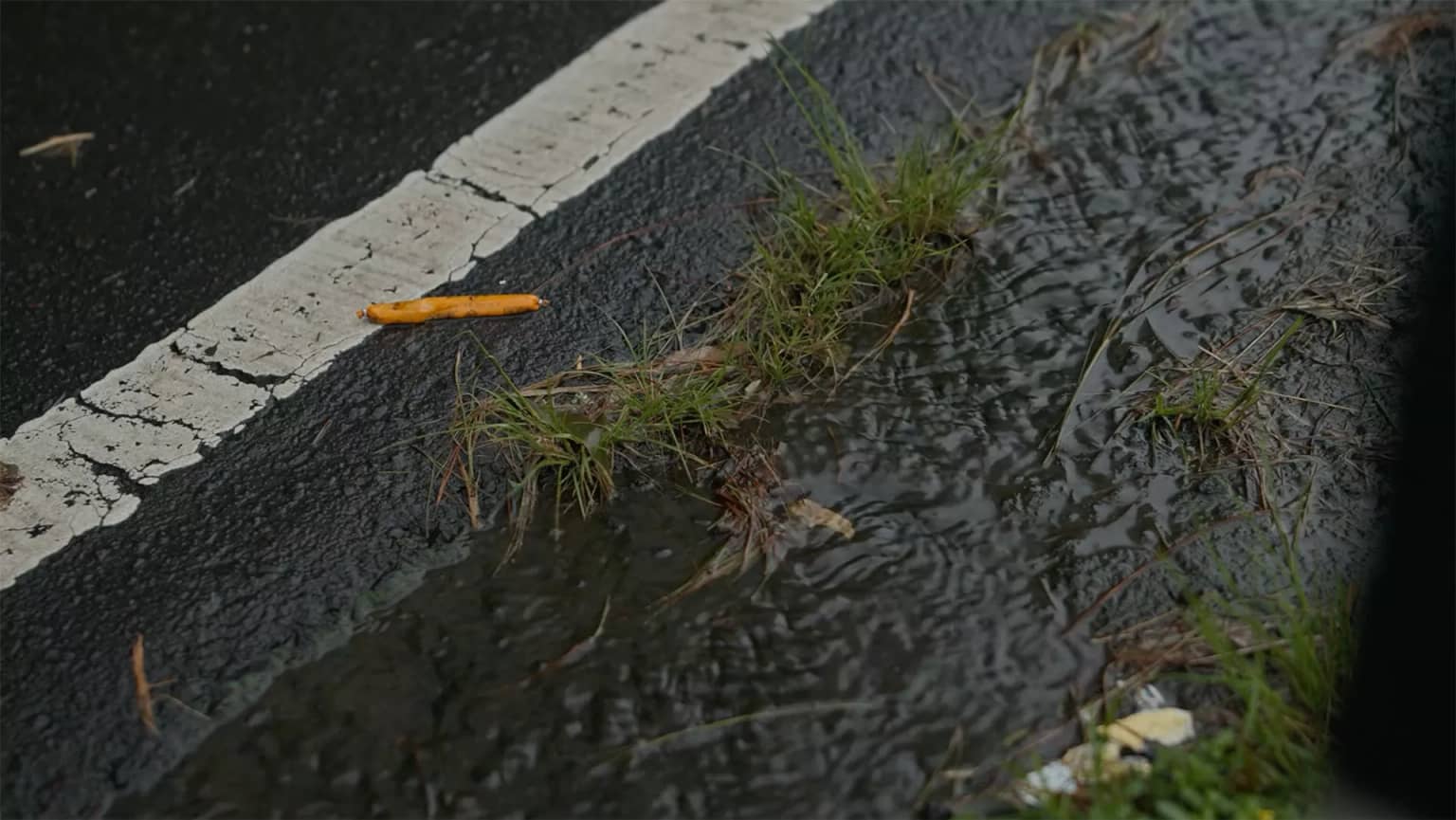
Unlike wastewater from sinks and toilets, stormwater is not treated before entering local waterways.
That means everyday pollutants can wash directly into the environment, including:
These pollutants can harm fish and wildlife, fuel algae growth, reduce oxygen in the water, and contribute to swimming and shellfish harvesting restrictions.

Leaves and yard debris may seem harmless, but when they wash into storm drains, they can clog pipes, contribute to street flooding, and pollute waterways as they decompose.
What to do:

Small actions at home can make a big difference for local water quality.
What you can do:
Everything that happens on the land around us can impact nearby waterways. By making small changes at home and in our neighborhoods, we can help reduce stormwater pollution and protect the waterways that make Hampton Roads unique.
If you see illegal dumping or blocked storm drains, contact your local stormwater department.
Learn how to keep leaves, litter, chemicals and other pollutants out of storm drains and local waterways.
Learn More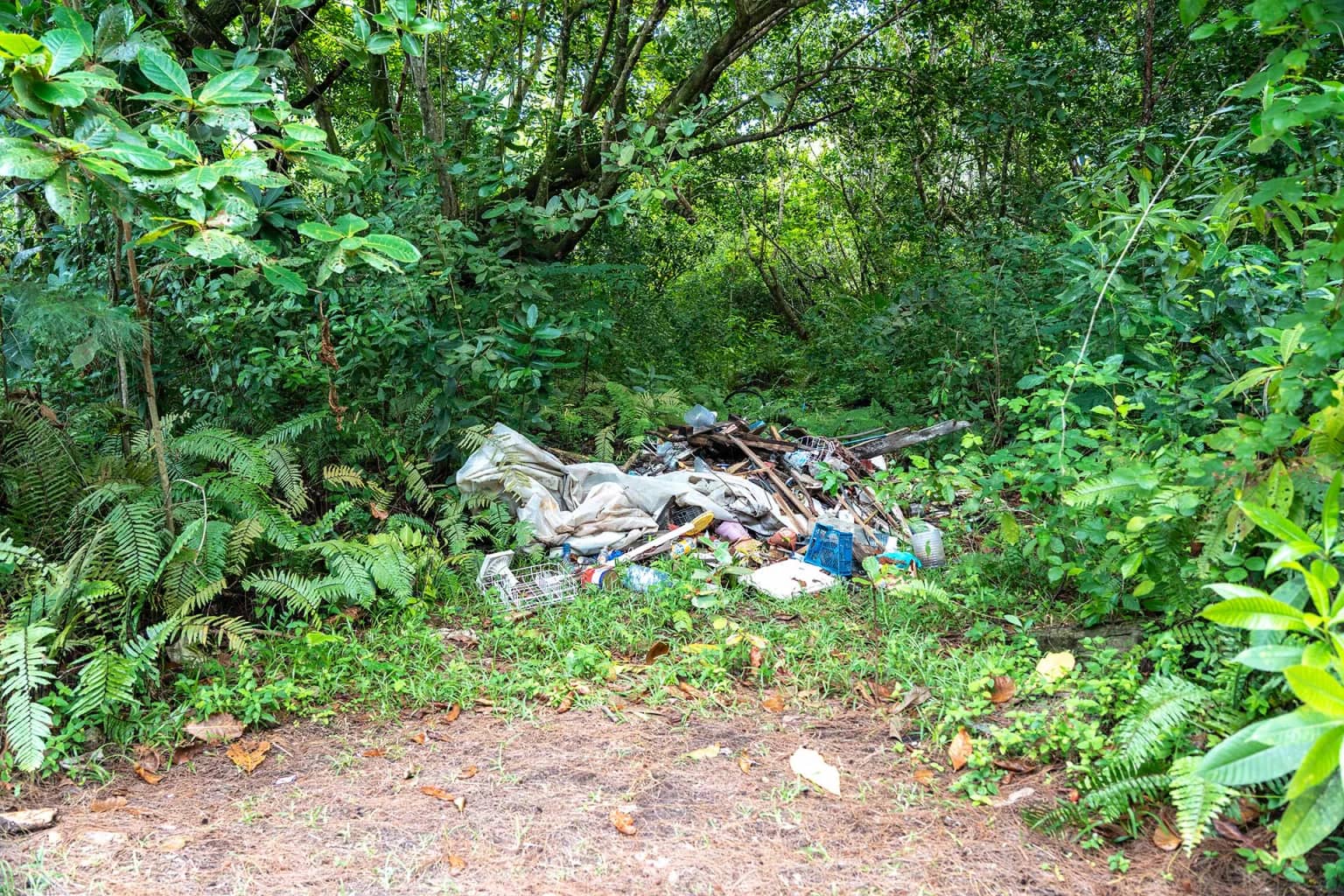
Learn why illegal dumping harms communities and waterways, and how to report or prevent it in Hampton Roads.
Learn More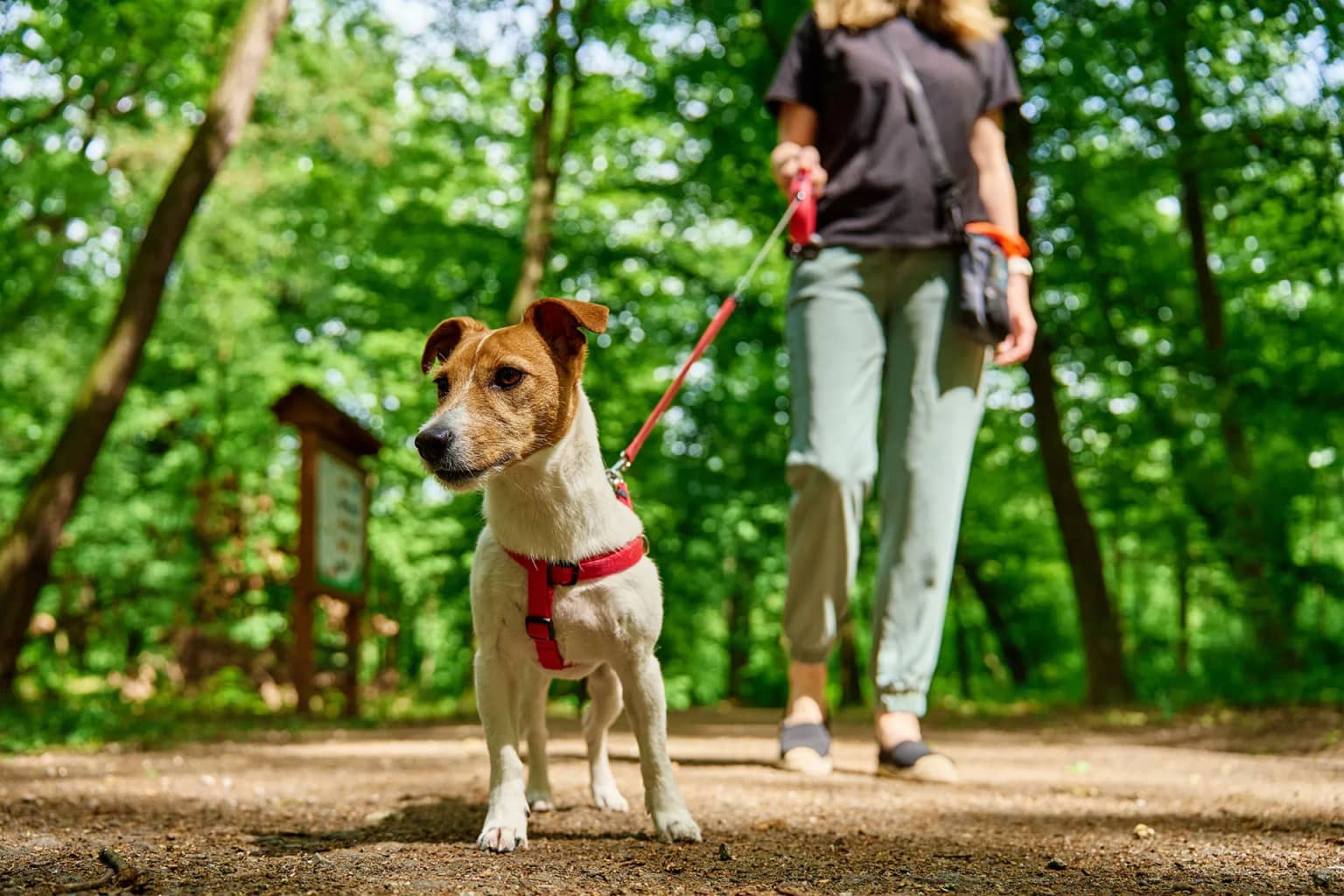
Learn why picking up pet waste helps protect local waterways, prevent bacteria pollution and keep communities cleaner.
Learn More