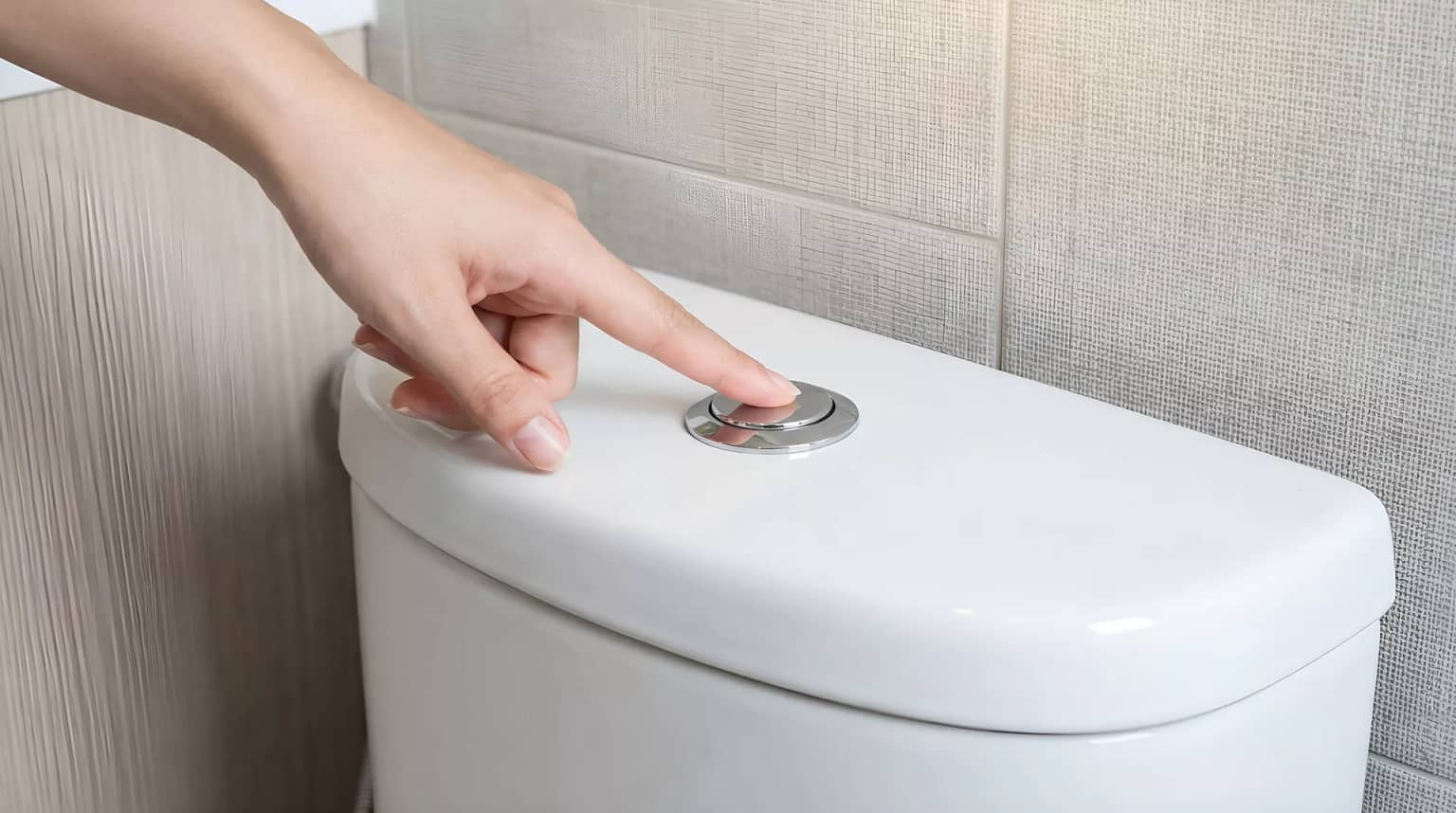
What Not To Flush
Find out what you should never flush down the toilet and how proper disposal protects pipes, pumps and local waterways.
Learn More
;%20}%20%3c/style%3e%3c/defs%3e%3cg%20id='c'%20data-name='Layer%201'%3e%3cpath%20class='d'%20d='M1308,389.62c0-130.65-108.28-246.14-274.2-316.6-13.54-5.83-27.31-11.2-41.54-16.33-4.43-1.63-9.1-3.03-13.77-4.67-13.3-4.67-26.84-8.87-40.61-12.83-8.87-2.57-17.73-4.9-26.84-7.23-4.43-1.17-9.1-2.1-13.77-3.27C821.67,10.5,739.76,0,653.18,0,292.4-.23,0,173.81,0,388.45c0,118.52,89.38,224.67,229.86,296.06,113.88,57.86,261.6,92.86,422.85,92.86,75.38,0,147.49-7.7,214.93-21.7,0,0,.7,0,1.87-.47,2.1-.47,4.2-.93,6.3-1.4,2.8-.47,6.07-.7,9.8-.7,11.43,0,27.3,3.5,44.57,15.86,46.91,40.36,107.12,66.03,173.15,66.03,15.64,0,23.8-1.87,31.5-3.03-52.97-14.46-105.01-65.79-58.34-145.82,141.42-71.39,231.5-177.78,231.5-296.76v.23Z'/%3e%3c/g%3e%3c/svg%3e)
That’s why cleaning up after your pet is one of the easiest ways to help protect our environment.
Pet waste is more than a nuisance – it’s a source of pollution.
Here’s What Happens:
Even in your own yard, pet waste can impact soil, water quality and public health. It’s best to think of it as pollution – not fertilizer.

Cleaning up after your pet is simple – and makes a big difference.
Make it easy:
Show your commitment to cleaner communities and healthier waterways by taking the Scoop the Poop Pledge.
Find out what you should never flush down the toilet and how proper disposal protects pipes, pumps and local waterways.
Learn More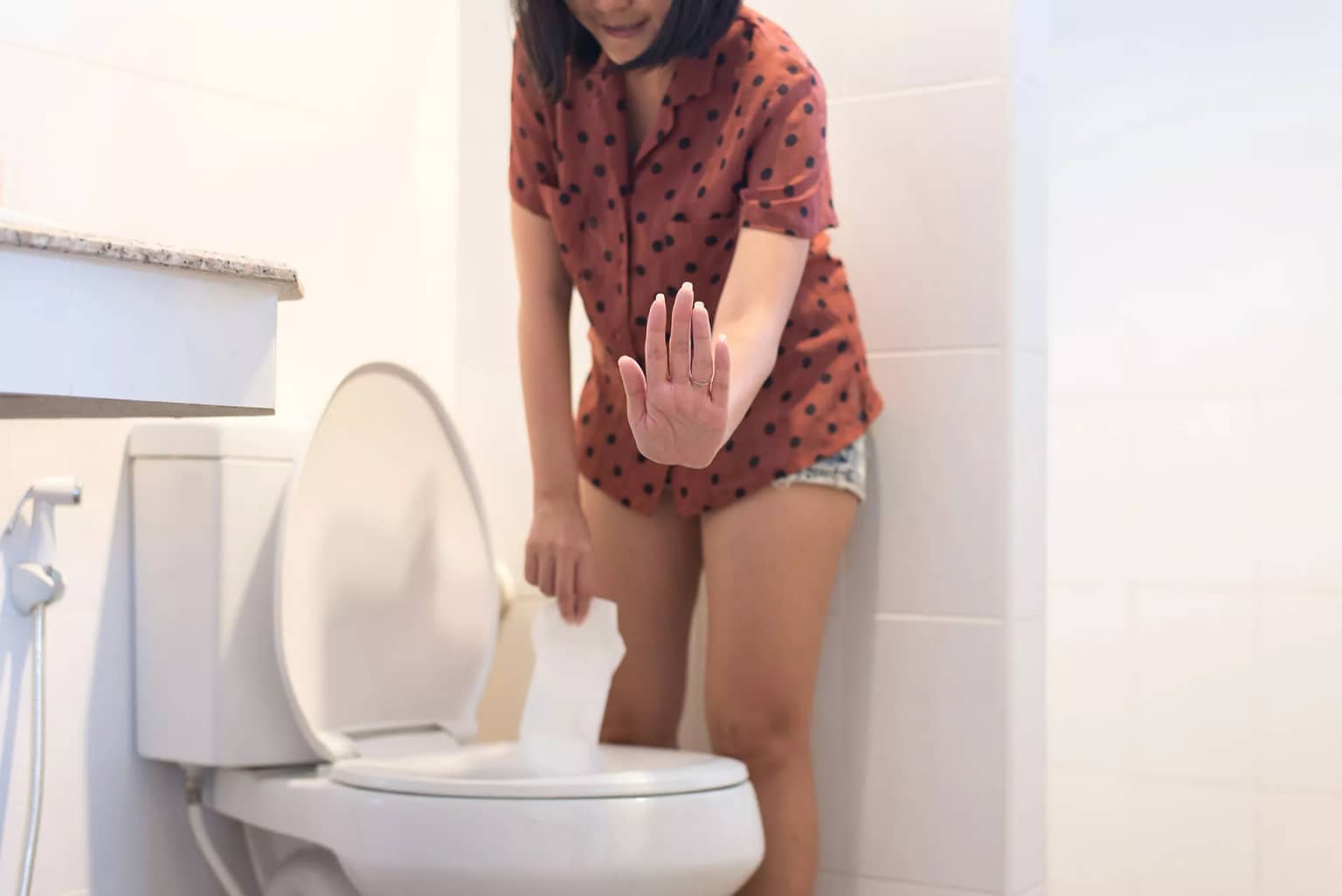
Learn why wipes should never be flushed and how proper disposal helps prevent clogs, backups and sewer damage.
Learn More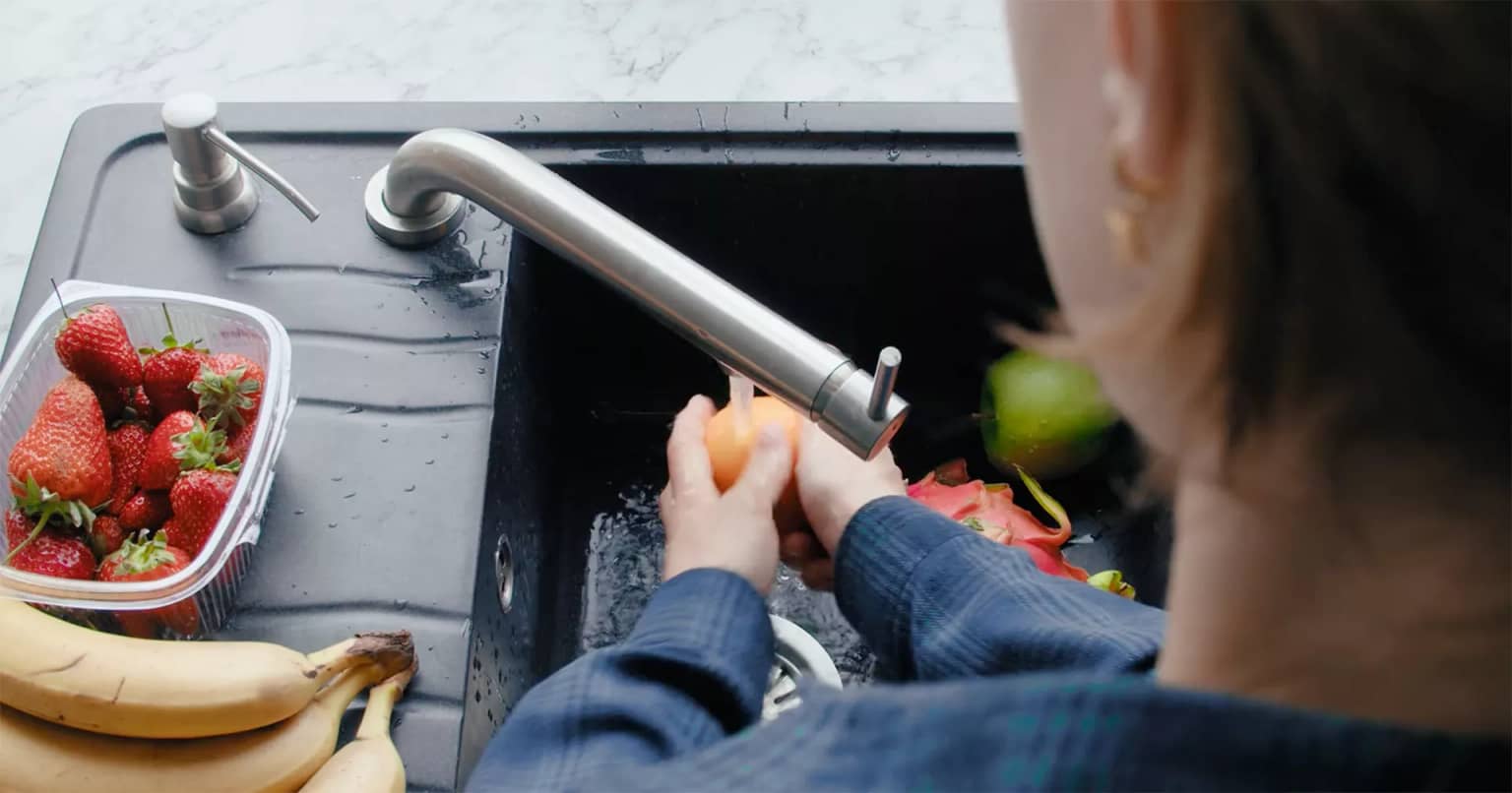
Your kitchen sink and garbage disposal may seem convenient, but what goes down the drain can create major problems for your plumbing, local sewer systems, and the environment.
Learn More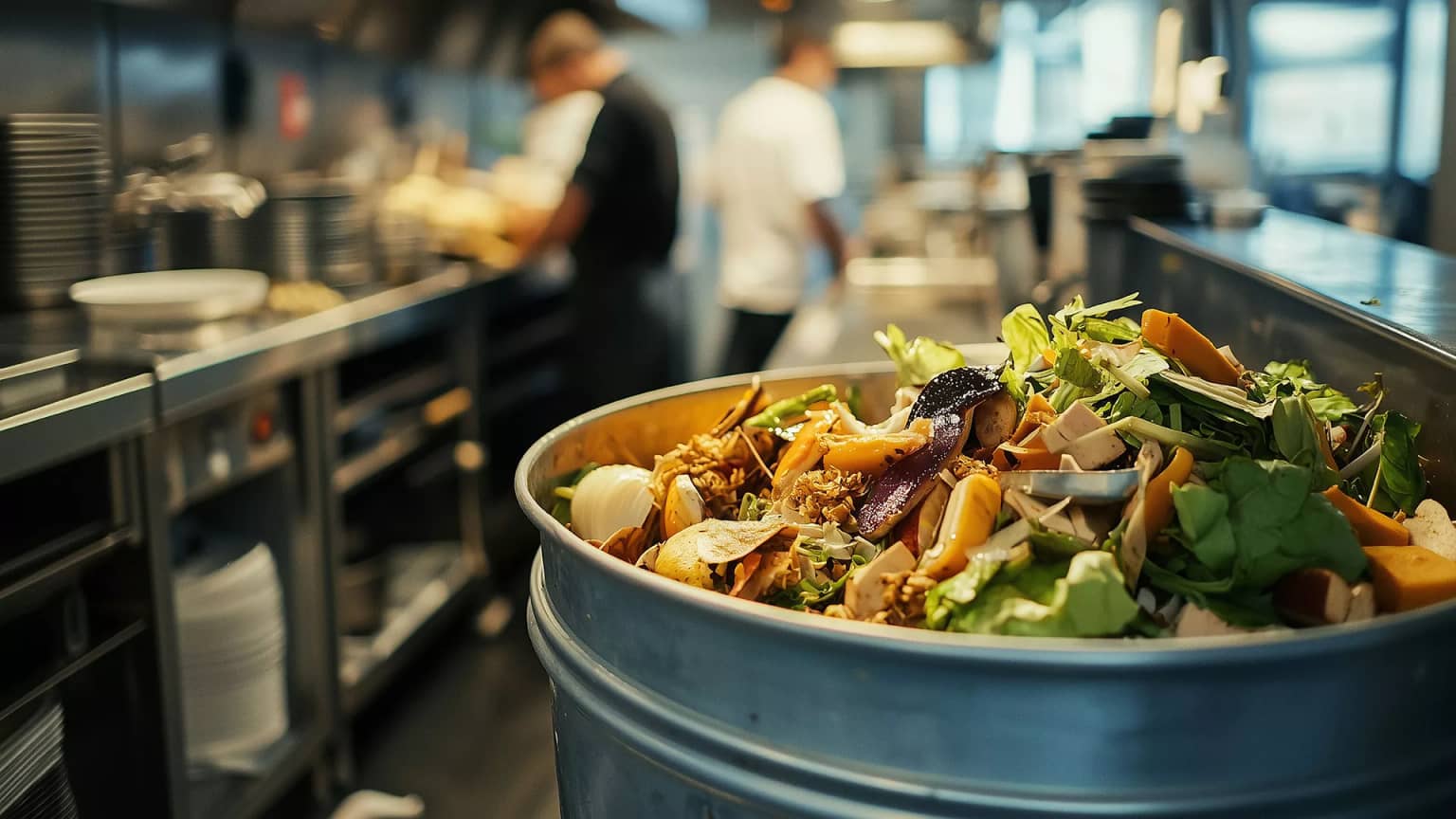
Find tips for restaurants that help reduce waste, manage grease properly and support cleaner kitchens.
Learn More