Scoop The Poop
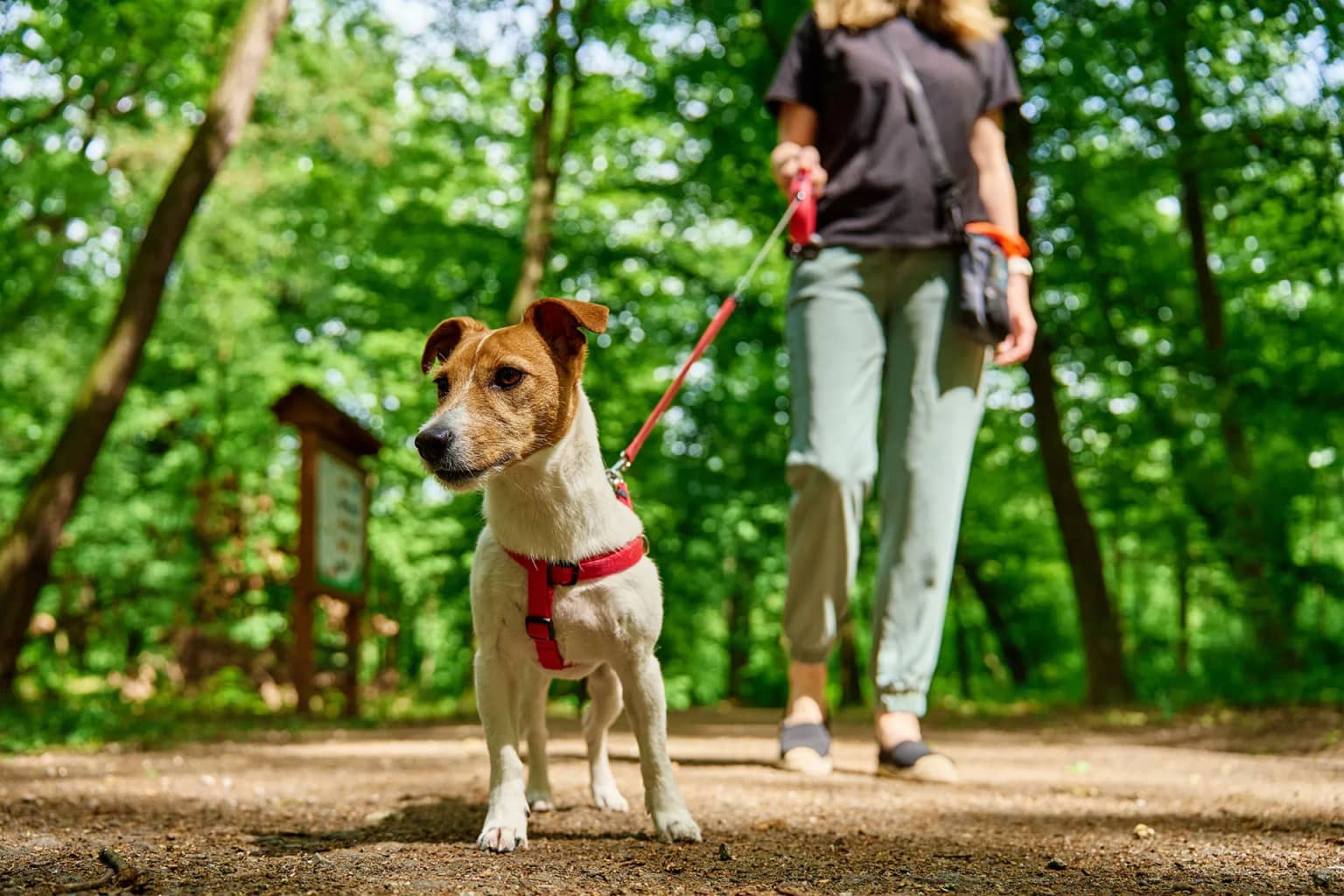
Learn why picking up pet waste helps protect local waterways, prevent bacteria pollution and keep communities cleaner.
Learn More
;%20}%20%3c/style%3e%3c/defs%3e%3cg%20id='c'%20data-name='Layer%201'%3e%3cpath%20class='d'%20d='M1308,389.62c0-130.65-108.28-246.14-274.2-316.6-13.54-5.83-27.31-11.2-41.54-16.33-4.43-1.63-9.1-3.03-13.77-4.67-13.3-4.67-26.84-8.87-40.61-12.83-8.87-2.57-17.73-4.9-26.84-7.23-4.43-1.17-9.1-2.1-13.77-3.27C821.67,10.5,739.76,0,653.18,0,292.4-.23,0,173.81,0,388.45c0,118.52,89.38,224.67,229.86,296.06,113.88,57.86,261.6,92.86,422.85,92.86,75.38,0,147.49-7.7,214.93-21.7,0,0,.7,0,1.87-.47,2.1-.47,4.2-.93,6.3-1.4,2.8-.47,6.07-.7,9.8-.7,11.43,0,27.3,3.5,44.57,15.86,46.91,40.36,107.12,66.03,173.15,66.03,15.64,0,23.8-1.87,31.5-3.03-52.97-14.46-105.01-65.79-58.34-145.82,141.42-71.39,231.5-177.78,231.5-296.76v.23Z'/%3e%3c/g%3e%3c/svg%3e)
Illegal dumping happens when anything other than natural precipitation enters the storm drain system.
Common examples include:
Illegal dumping can pollute local waterways, harm wildlife and contribute to neighborhood flooding by clogging storm drains. Pollutants that enter storm drains can flow directly to streams, rivers and the Chesapeake Bay.

Simple actions at home can help keep pollutants out of local waterways:

Contact your local stormwater department if you observe:
Reporting pollution helps protect local waterways and prevent larger environmental problems.

Businesses play an important role in preventing stormwater pollution.
If your business generates wastewater, contact HRSD for guidance on proper disposal methods.
Learn why picking up pet waste helps protect local waterways, prevent bacteria pollution and keep communities cleaner.
Learn More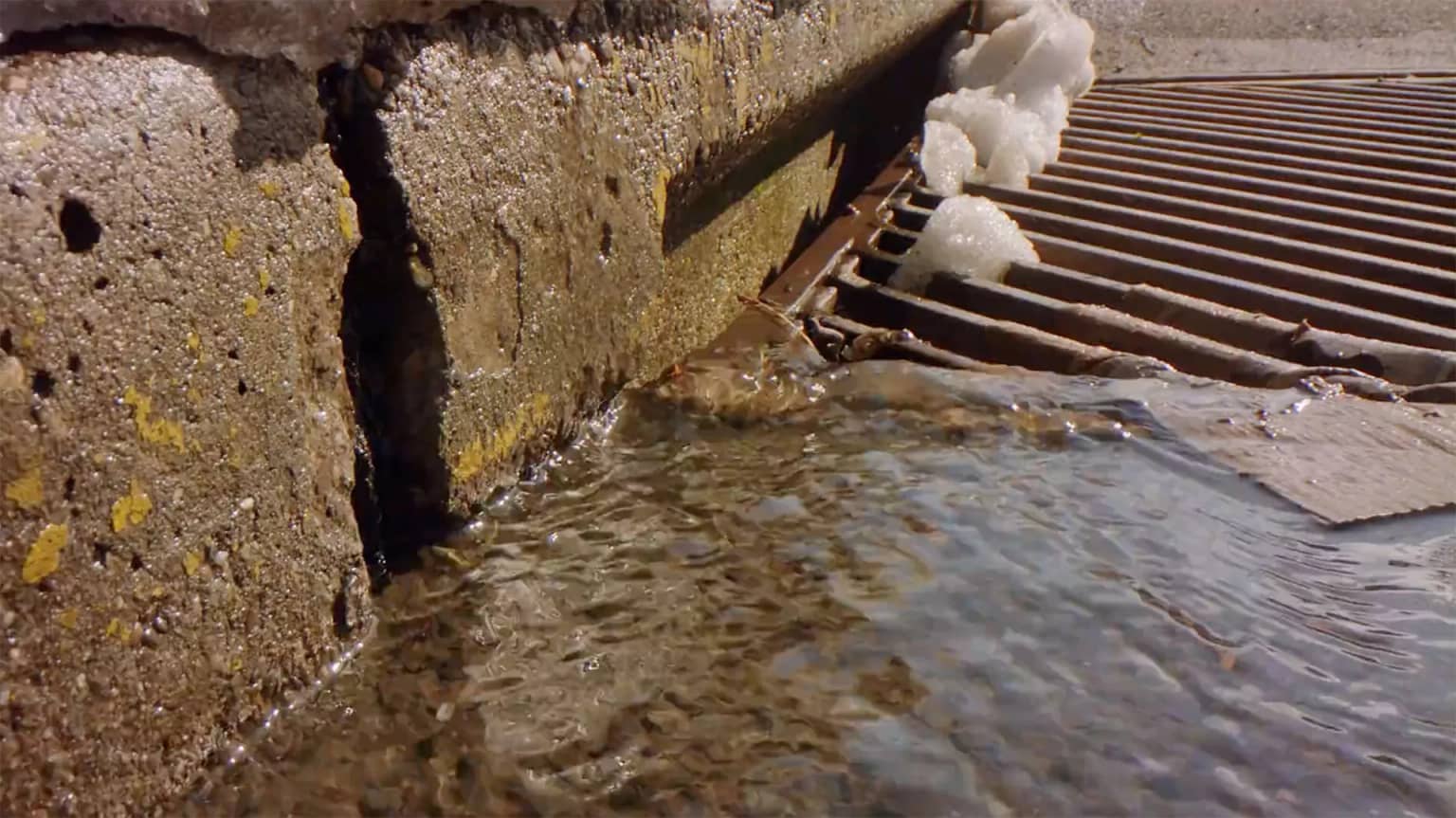
Learn where storm drains lead and how everyday actions can help keep pollution out of local waterways.
Learn More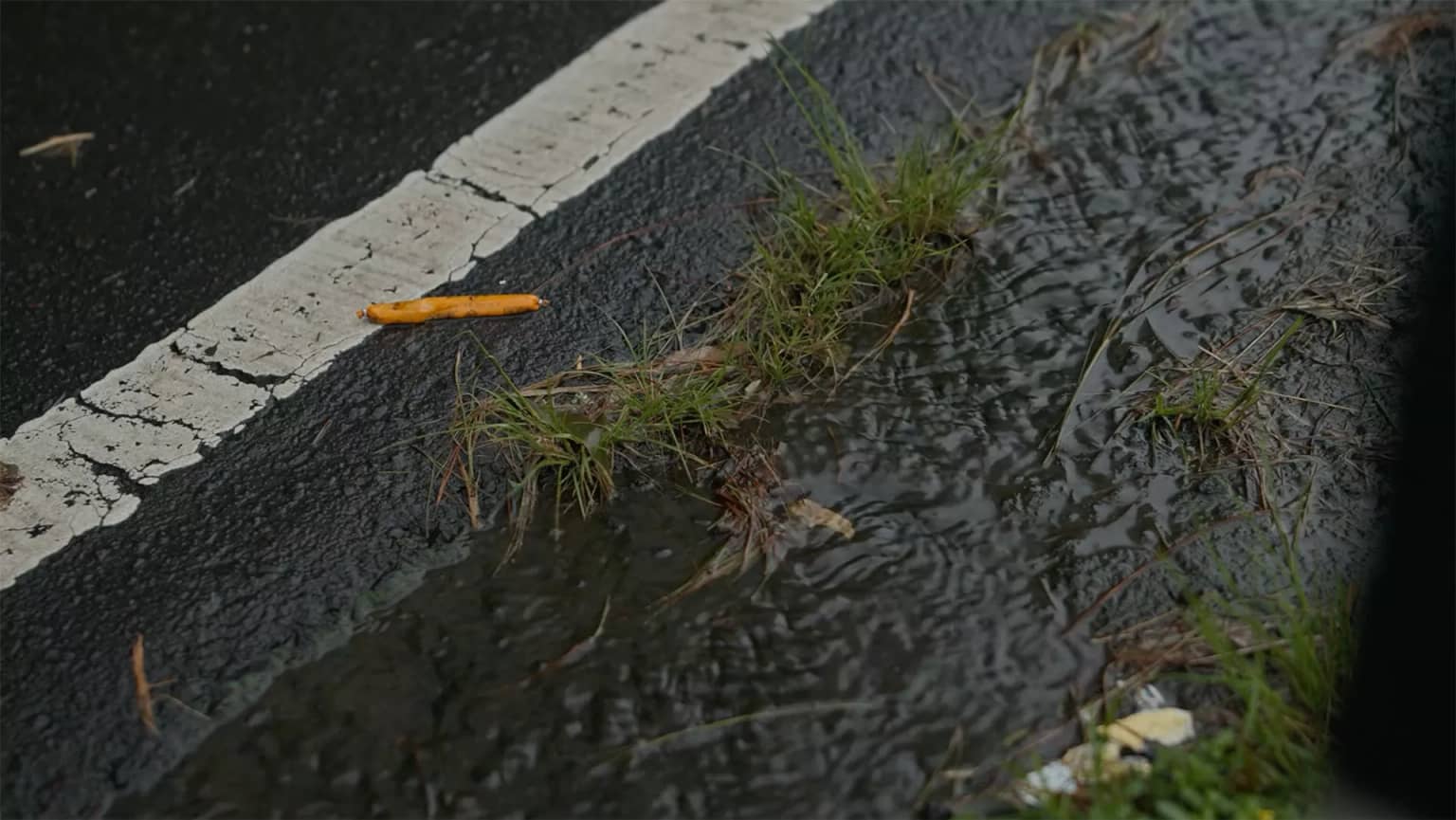
Learn how to keep leaves, litter, chemicals and other pollutants out of storm drains and local waterways.
Learn More