Water Conservation
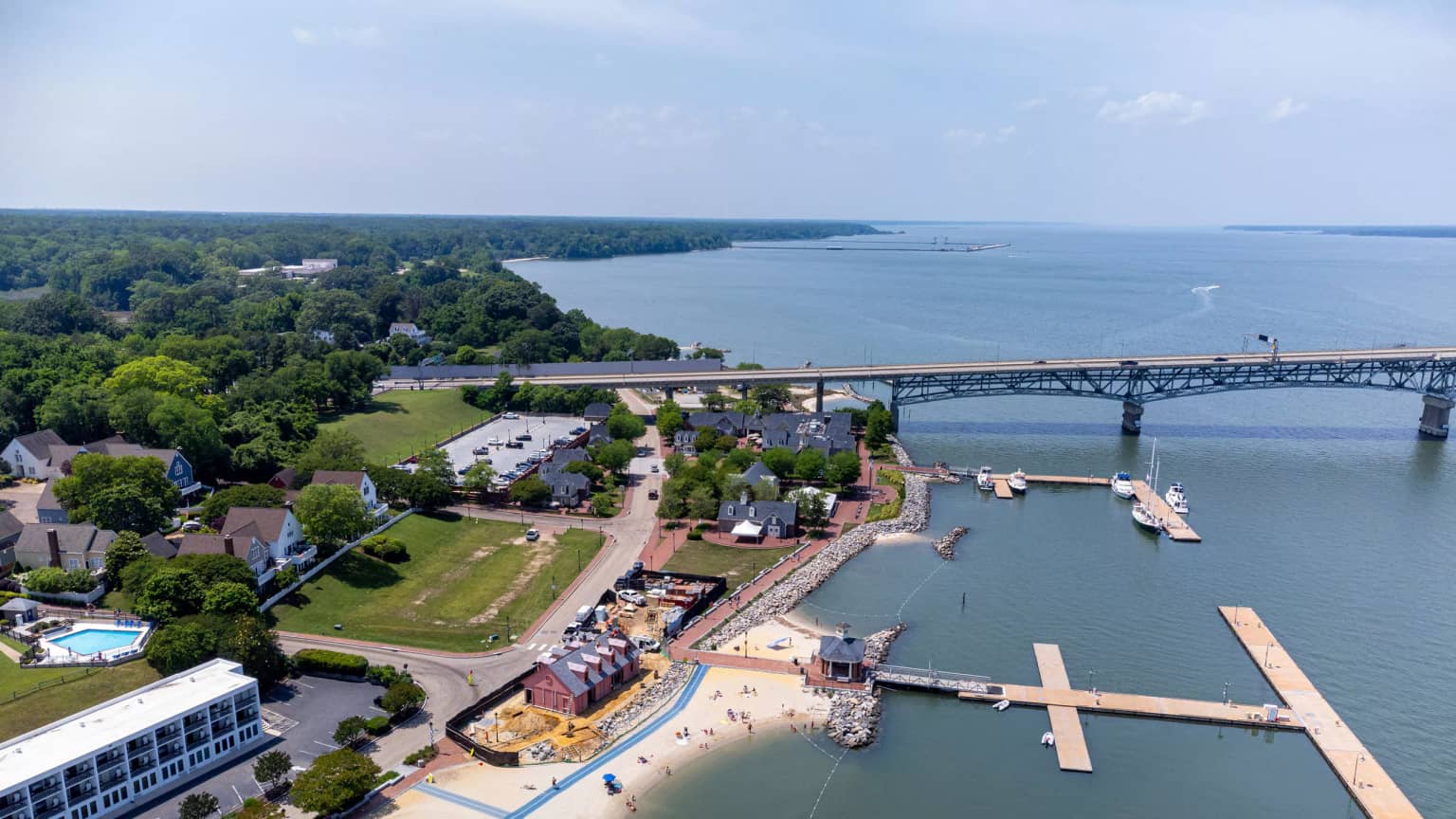
Learn simple ways to save water indoors and outdoors while supporting reliable water resources across Hampton Roads.
Learn More
;%20}%20%3c/style%3e%3c/defs%3e%3cg%20id='c'%20data-name='Layer%201'%3e%3cpath%20class='d'%20d='M1308,389.62c0-130.65-108.28-246.14-274.2-316.6-13.54-5.83-27.31-11.2-41.54-16.33-4.43-1.63-9.1-3.03-13.77-4.67-13.3-4.67-26.84-8.87-40.61-12.83-8.87-2.57-17.73-4.9-26.84-7.23-4.43-1.17-9.1-2.1-13.77-3.27C821.67,10.5,739.76,0,653.18,0,292.4-.23,0,173.81,0,388.45c0,118.52,89.38,224.67,229.86,296.06,113.88,57.86,261.6,92.86,422.85,92.86,75.38,0,147.49-7.7,214.93-21.7,0,0,.7,0,1.87-.47,2.1-.47,4.2-.93,6.3-1.4,2.8-.47,6.07-.7,9.8-.7,11.43,0,27.3,3.5,44.57,15.86,46.91,40.36,107.12,66.03,173.15,66.03,15.64,0,23.8-1.87,31.5-3.03-52.97-14.46-105.01-65.79-58.34-145.82,141.42-71.39,231.5-177.78,231.5-296.76v.23Z'/%3e%3c/g%3e%3c/svg%3e)
In many areas, stormwater flows into storm drains and then directly to local streams, rivers and the Chesapeake Bay without being treated first. That means the choices we make at home and in our neighborhoods can have a direct impact on water quality.
Stormwater runoff can carry too much sediment, nitrogen, phosphorus and bacteria into local waterways. These pollutants can contribute to algae growth, reduce oxygen levels for aquatic life and affect the health of waterways used for swimming, fishing and shellfish harvesting.
Preventing stormwater pollution starts with keeping pollutants off the ground, out of streets and away from storm drains.

Leaves may seem harmless, but they can create problems when they are raked or blown into streets, ditches, marshes or storm drains. Leaves and yard debris can clog storm drain pipes, contribute to street flooding and release excess nutrients as they break down.
What to do with leaves and yard debris:

Small habits around your home can help keep pollution out of storm drains and local waterways. From your kitchen sink to your yard, everyday choices can make a difference.
Ways to help:
Every neighborhood is part of a watershed, which means rainwater that falls where you live eventually drains to a nearby stream, river, bay or other body of water. Learning where your water flows can help you understand how everyday actions connect to the larger environment.
Participating in watershed protection programs, such as Bay Star Homes, is a great way to show your commitment to cleaner waterways.
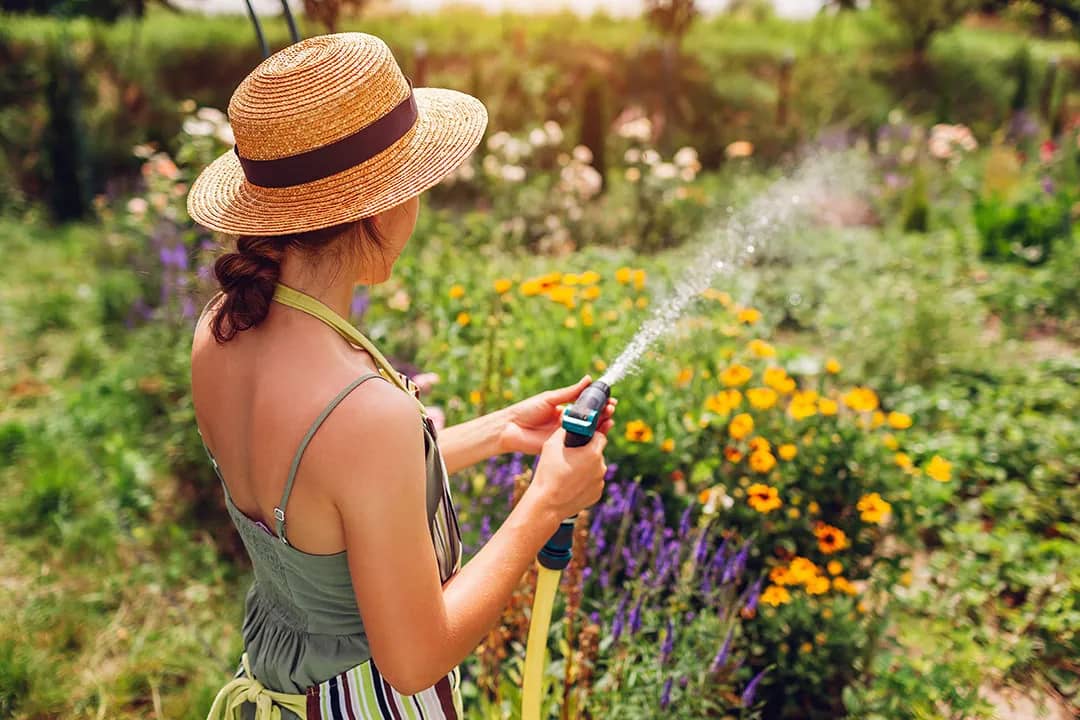
Learn simple ways to save water indoors and outdoors while supporting reliable water resources across Hampton Roads.
Learn More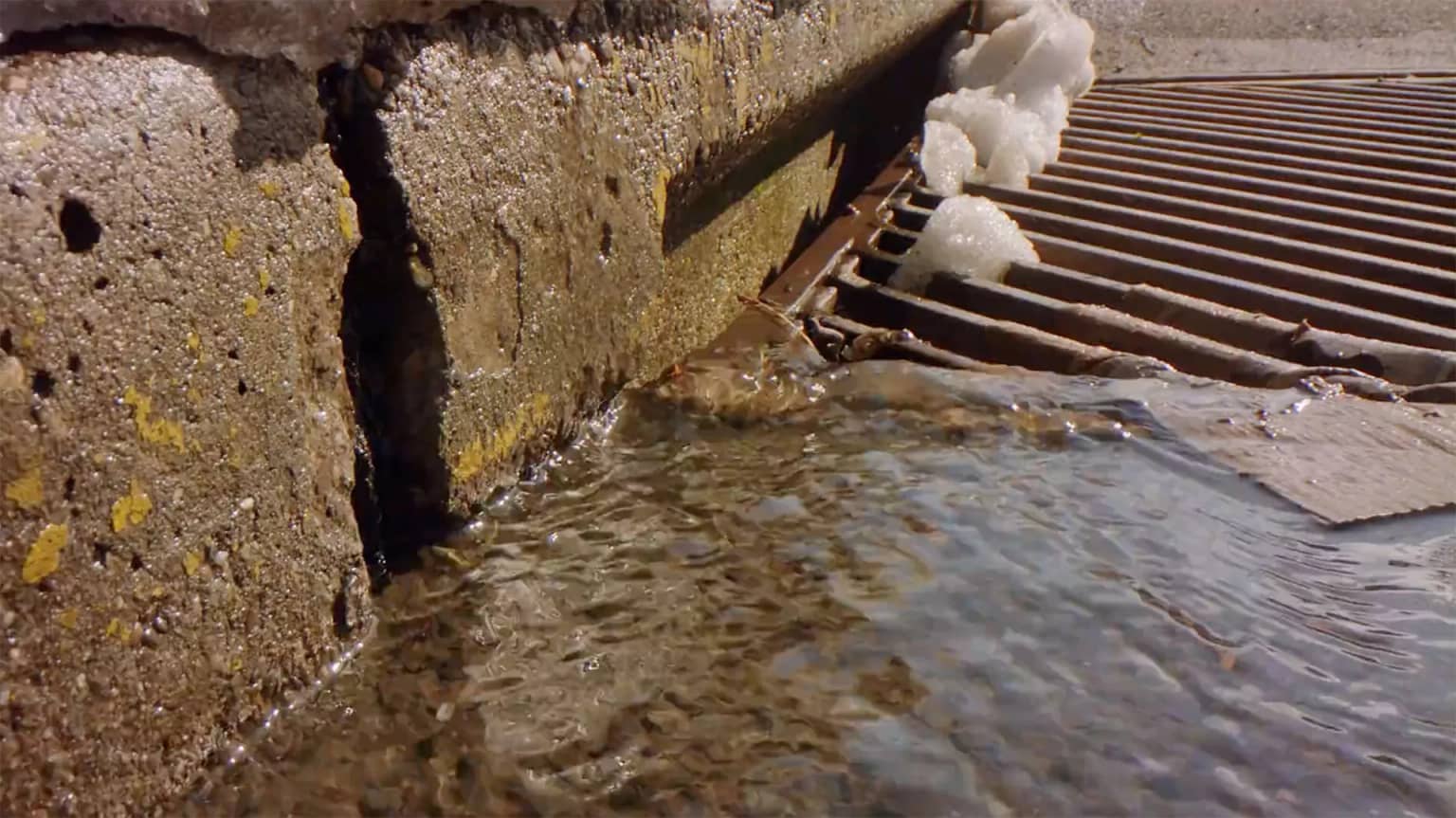
Learn where storm drains lead and how everyday actions can help keep pollution out of local waterways.
Learn More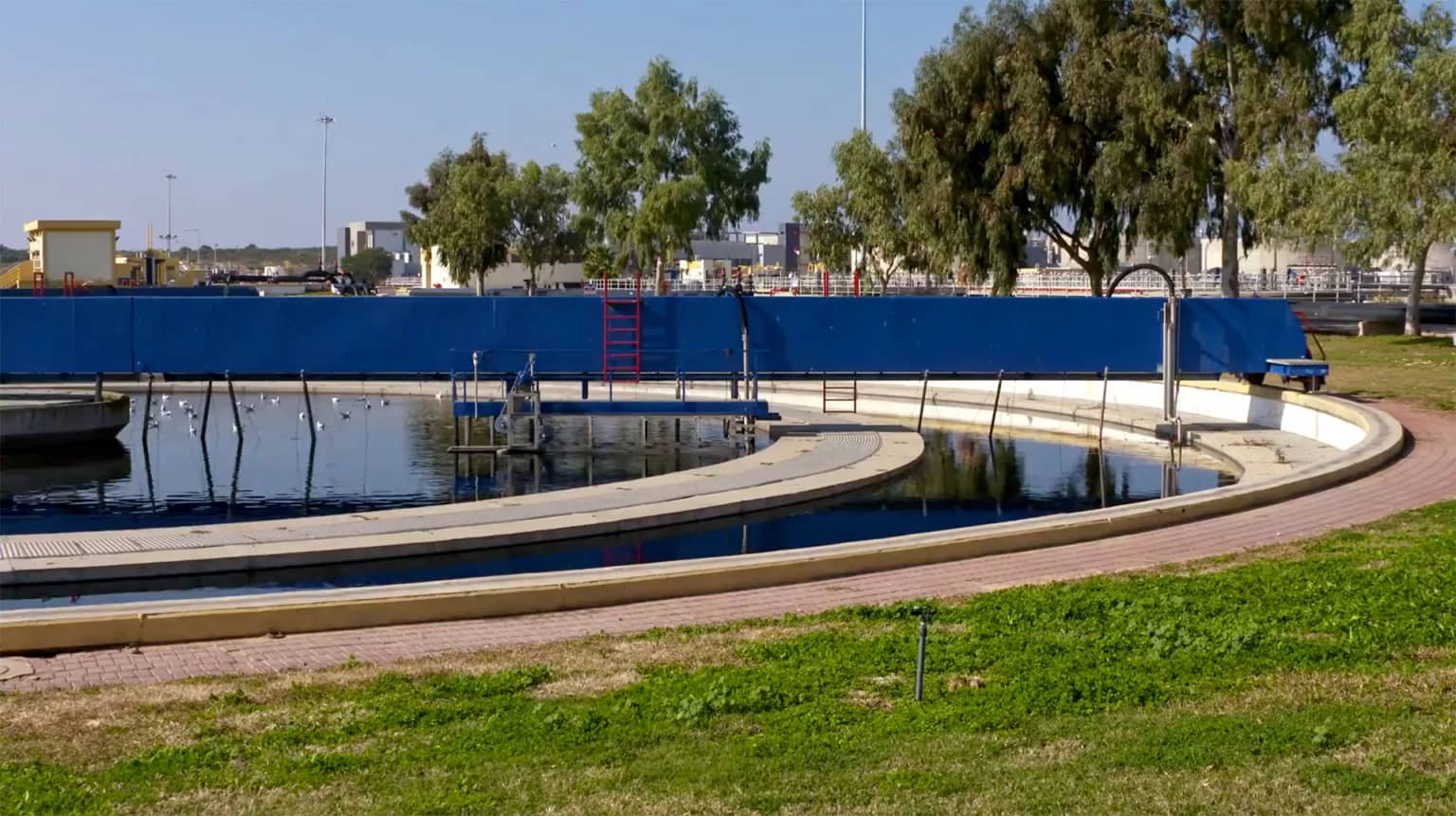
Explore how public water systems collect, treat and deliver safe drinking water to homes and businesses across Hampton Roads.
Learn More