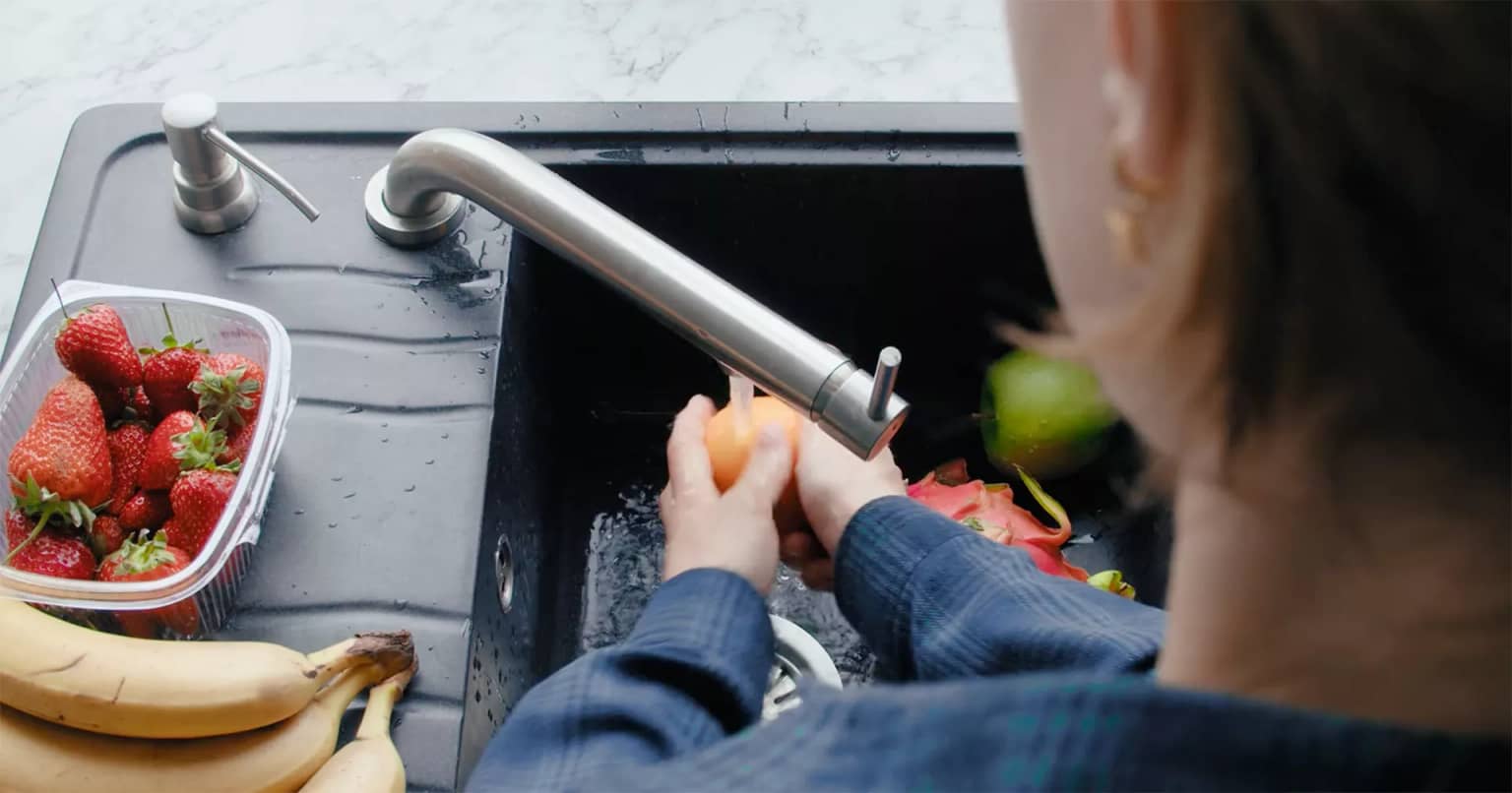
Sink Drains
Your kitchen sink and garbage disposal may seem convenient, but what goes down the drain can create major problems for your plumbing, local sewer systems, and the environment.
Learn More
;%20}%20%3c/style%3e%3c/defs%3e%3cg%20id='c'%20data-name='Layer%201'%3e%3cpath%20class='d'%20d='M1308,389.62c0-130.65-108.28-246.14-274.2-316.6-13.54-5.83-27.31-11.2-41.54-16.33-4.43-1.63-9.1-3.03-13.77-4.67-13.3-4.67-26.84-8.87-40.61-12.83-8.87-2.57-17.73-4.9-26.84-7.23-4.43-1.17-9.1-2.1-13.77-3.27C821.67,10.5,739.76,0,653.18,0,292.4-.23,0,173.81,0,388.45c0,118.52,89.38,224.67,229.86,296.06,113.88,57.86,261.6,92.86,422.85,92.86,75.38,0,147.49-7.7,214.93-21.7,0,0,.7,0,1.87-.47,2.1-.47,4.2-.93,6.3-1.4,2.8-.47,6.07-.7,9.8-.7,11.43,0,27.3,3.5,44.57,15.86,46.91,40.36,107.12,66.03,173.15,66.03,15.64,0,23.8-1.87,31.5-3.03-52.97-14.46-105.01-65.79-58.34-145.82,141.42-71.39,231.5-177.78,231.5-296.76v.23Z'/%3e%3c/g%3e%3c/svg%3e)
Good kitchen practices help protect your business’s bottom line while keeping grease and food waste out of local sewer systems and Hampton Roads waterways.

Fats, oils and grease can build up in pipes and grease control devices when they are not properly handled. For restaurants and commercial kitchens, these problems can become expensive quickly.
FOG buildup can lead to:

Simple habits during food prep and dishwashing can reduce the amount of grease entering your plumbing and grease control devices.
Good kitchen practices:
Always follow local health department regulations for water temperature. Mechanical dishwashers should use a minimum temperature of 160 degrees Fahrenheit to properly clean and sanitize dishes.
In sinks, use water that is less than 140 degrees Fahrenheit, especially in the pre-rinse sink before a mechanical dishwasher. Water that exceeds 140 degrees Fahrenheit can dissolve grease, allowing it to move farther through the plumbing system before cooling and solidifying in the sanitary sewer system.
Proper maintenance helps grease control devices work as intended and can prevent costly sewer problems. Keep a maintenance log and all service records to document how often cleaning occurs and how much grease is recovered. Service records help verify the accuracy of the maintenance log and provide proof of maintenance.
Some smaller hydromechanical grease interceptors (HGIs) may be cleaned by a restaurant employee with approval from the local FOG program manager. Contact your FOG program manager to apply for approval before self-cleaning, and review available grease trap cleaning guidance for proper cleaning tips.
Yellow grease containers stored outdoors need to be maintained carefully to prevent spills and stormwater pollution. Uncovered bins can collect rainwater and overflow, sending grease into storm drains where it can flow to local waterways and harm aquatic life.

Staff training is one of the best ways to prevent grease-related problems before they start. Make sure kitchen staff and other employees understand best management practices for handling grease, food scraps and wastewater.
Restaurants can also have staff complete the free HR FOG Certification Program through HRFOG.com.

A green kitchen is also a safer and more efficient kitchen. Range hoods and vent filters can pose a serious fire hazard when left dirty, so they should be cleaned regularly. Make sure water used to clean range hoods drains into the proper grease control device.
By training staff, managing grease properly, maintaining service records and keeping food waste out of drains, restaurants can help prevent backups, reduce maintenance costs and protect Hampton Roads waterways.
For locality-specific FOG guidance, grease control requirements and program manager resources, visit the Community Resources page and select your city or county.
Your kitchen sink and garbage disposal may seem convenient, but what goes down the drain can create major problems for your plumbing, local sewer systems, and the environment.
Learn More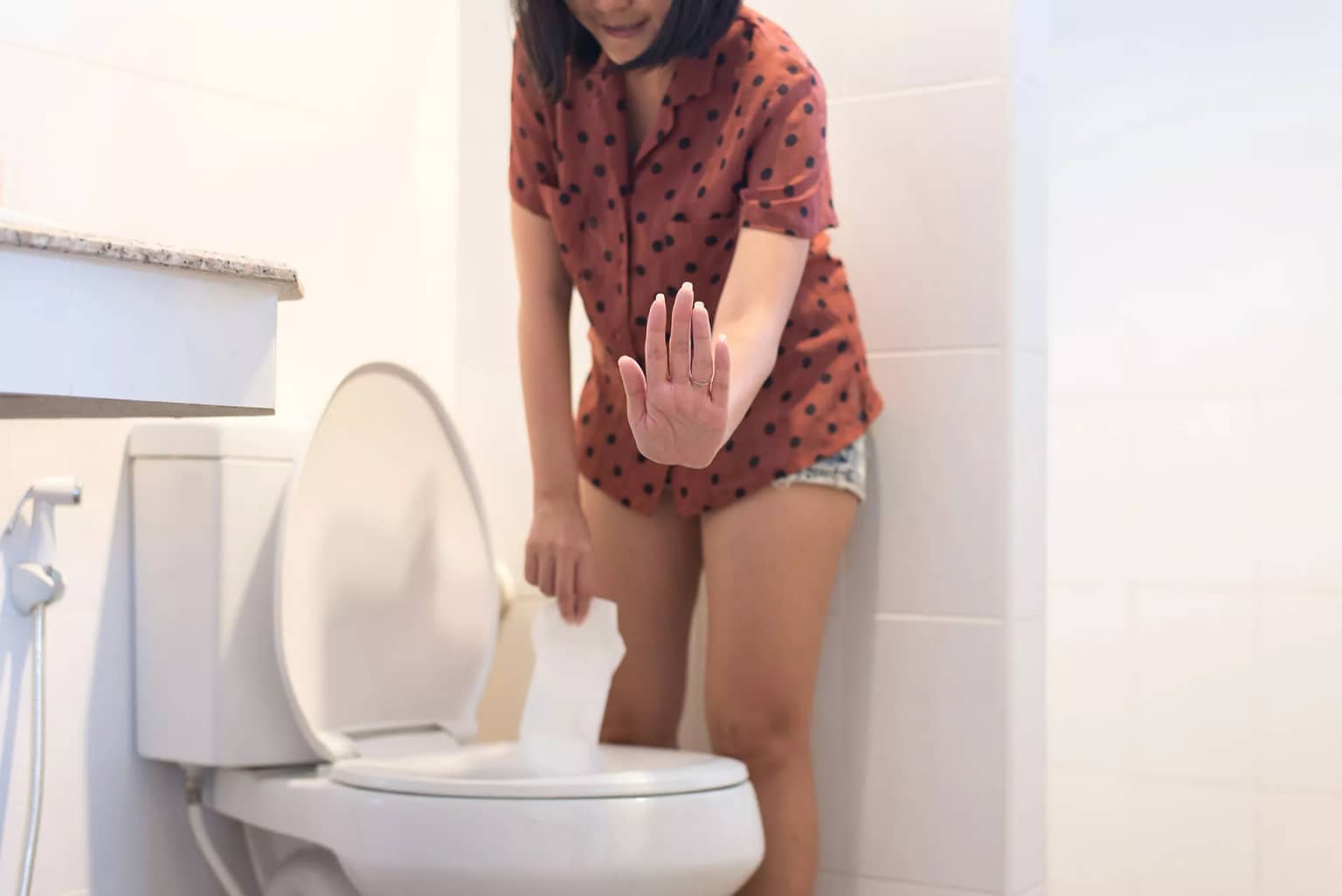
Learn why wipes should never be flushed and how proper disposal helps prevent clogs, backups and sewer damage.
Learn More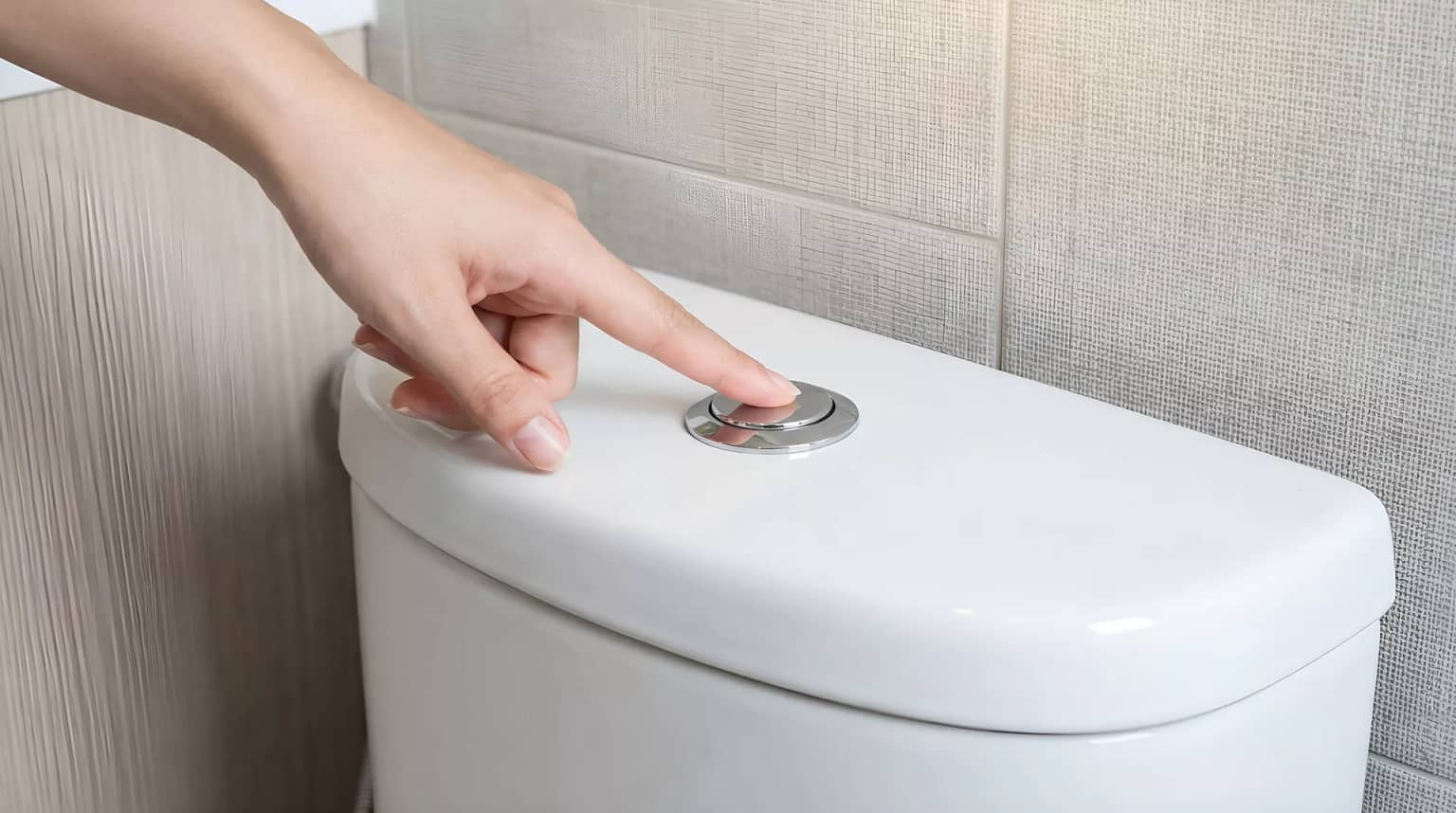
Find out what you should never flush down the toilet and how proper disposal protects pipes, pumps and local waterways.
Learn More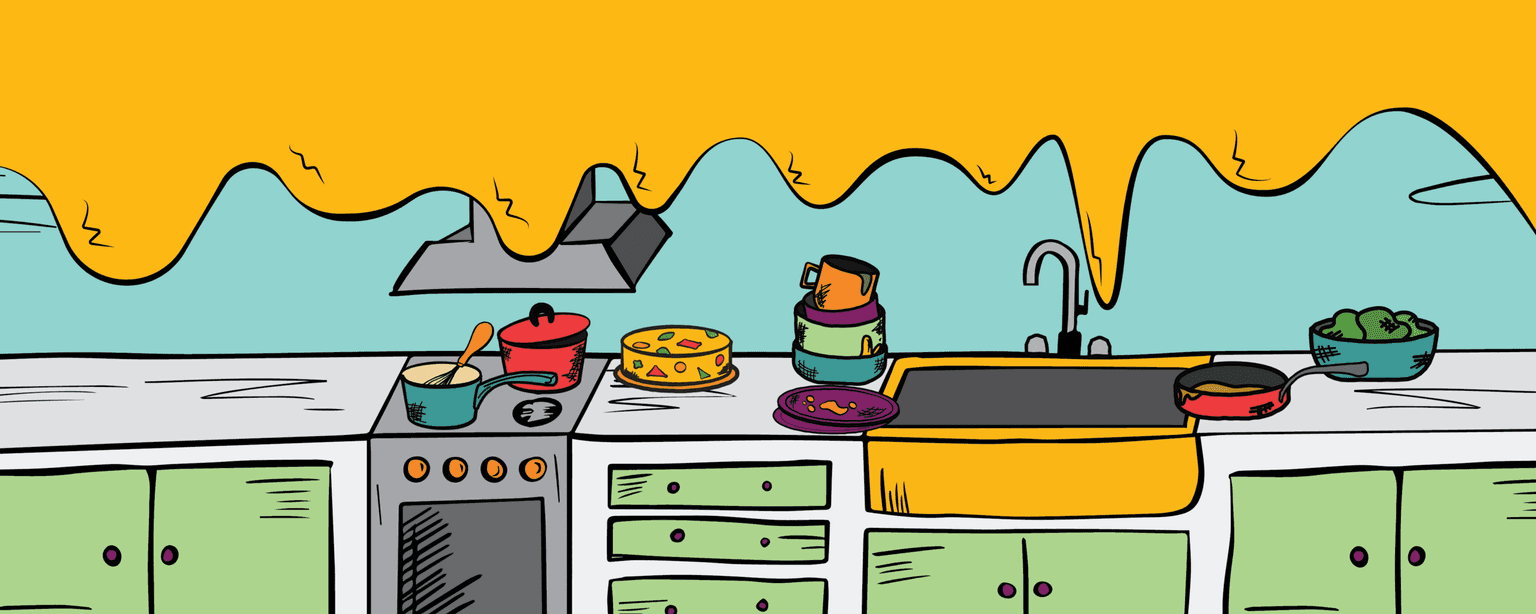
Learn how to keep fats, oils and grease out of your drains all year long to protect pipes and waterways.
Learn More