Conserving Water Indoors
Learn simple ways to save water indoors while supporting reliable water resources across Hampton Roads.
Learn More
;%20}%20%3c/style%3e%3c/defs%3e%3cg%20id='c'%20data-name='Layer%201'%3e%3cpath%20class='d'%20d='M1308,389.62c0-130.65-108.28-246.14-274.2-316.6-13.54-5.83-27.31-11.2-41.54-16.33-4.43-1.63-9.1-3.03-13.77-4.67-13.3-4.67-26.84-8.87-40.61-12.83-8.87-2.57-17.73-4.9-26.84-7.23-4.43-1.17-9.1-2.1-13.77-3.27C821.67,10.5,739.76,0,653.18,0,292.4-.23,0,173.81,0,388.45c0,118.52,89.38,224.67,229.86,296.06,113.88,57.86,261.6,92.86,422.85,92.86,75.38,0,147.49-7.7,214.93-21.7,0,0,.7,0,1.87-.47,2.1-.47,4.2-.93,6.3-1.4,2.8-.47,6.07-.7,9.8-.7,11.43,0,27.3,3.5,44.57,15.86,46.91,40.36,107.12,66.03,173.15,66.03,15.64,0,23.8-1.87,31.5-3.03-52.97-14.46-105.01-65.79-58.34-145.82,141.42-71.39,231.5-177.78,231.5-296.76v.23Z'/%3e%3c/g%3e%3c/svg%3e)
Wipes are one of the biggest offenders when it comes to clogged pipes and broken pumps. Even wipes labeled as flushable do not break down like toilet paper and can cause problems throughout the sanitary sewer system.Beneath Hampton Roads, more than 6,500 miles of water distribution pipeline and 5,800 miles of sanitary sewer lines help keep water moving safely. Keeping wipes out of pipes helps protect that infrastructure, prevent backups and avoid costly repairs.

Toilet paper is designed to break down quickly after it is flushed. Wipes are not. When wipes enter the sewer system, they can tangle, collect grease and debris, clog pipes and damage pumps. Those clogs can lead to service interruptions, expensive repairs and sewage backups into homes, neighborhoods or waterways.
If untreated sewage backs up into streets, it can enter storm drains and local waterways. Untreated sewage is a dangerous pollutant because it can cause sudden increases in nitrogen and bacteria, which can harm aquatic life, contribute to beach closures and lead to health warnings on local seafood consumption.

Product labeling can be misleading. Items marketed as “flushable” are regularly found in clogged pipes and broken pumps throughout the sanitary sewer system.
Flushing wipes and other trash can also lead to expensive repairs. If a clog occurs in your home plumbing, the responsibility and cost of repairs fall to you. If a clog occurs in the municipal sewer line, repair costs could be passed on to users through higher utility fees.

The best way to prevent wipe-related clogs is simple: do not flush wipes of any kind. Put them in the trash instead.
Do not flush:
Wipes can create problems long after they disappear from view. By keeping wipes and other trash out of the toilet, you can help prevent clogs, protect wastewater systems and keep untreated sewage out of local waterways.
Learn simple ways to save water indoors while supporting reliable water resources across Hampton Roads.
Learn More
Learn simple ways to save water indoors and outdoors while supporting reliable water resources across Hampton Roads.
Learn More
Your kitchen sink and garbage disposal may seem convenient, but what goes down the drain can create major problems for your plumbing, local sewer systems, and the environment.
Learn More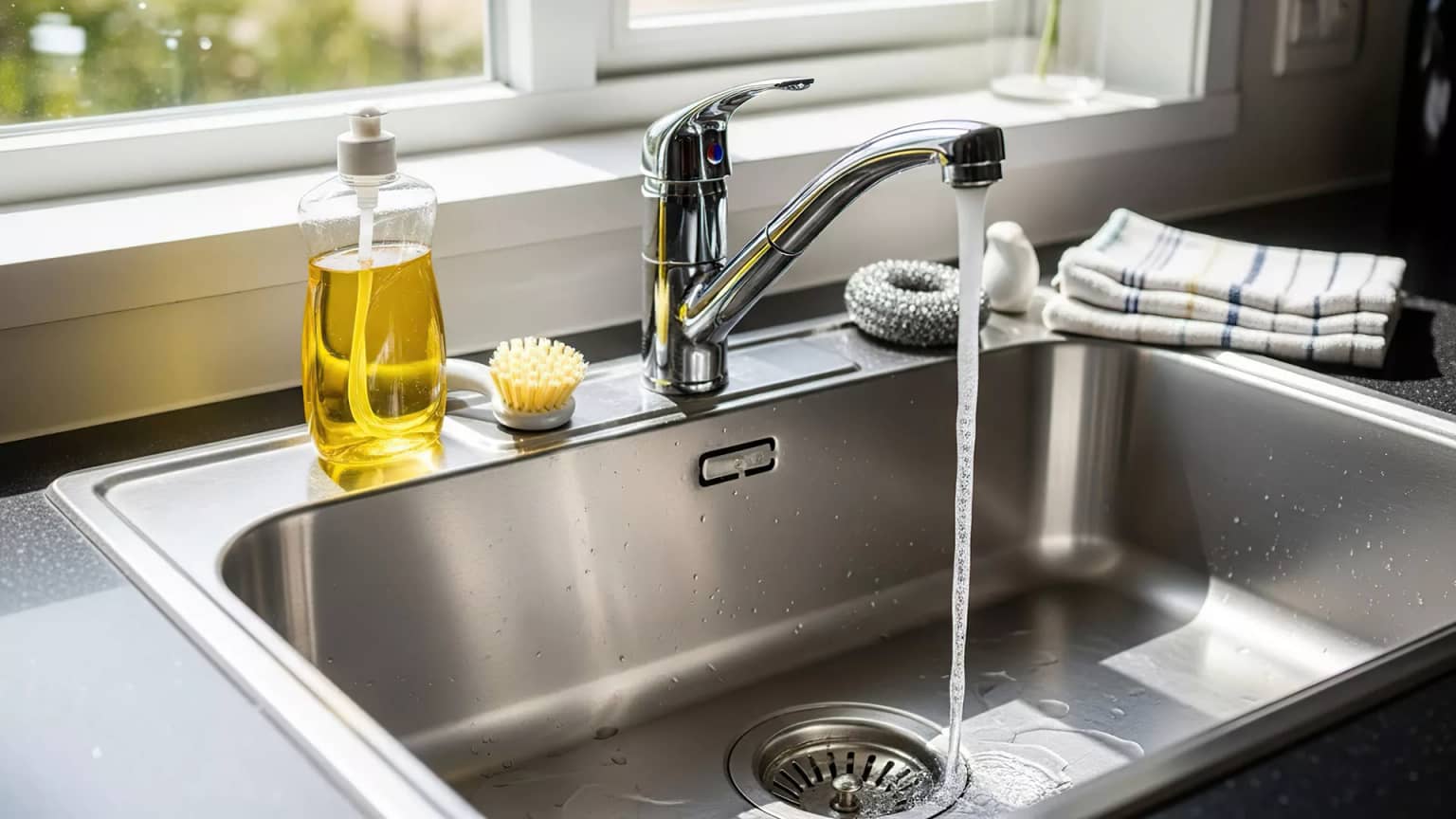
Keep fats, oils and grease out of drains with simple kitchen habits that help prevent clogs and sewer backups.
Learn More