What Not To Flush
Find out what you should never flush down the toilet and how proper disposal protects pipes, pumps and local waterways.
Learn More
;%20}%20%3c/style%3e%3c/defs%3e%3cg%20id='c'%20data-name='Layer%201'%3e%3cpath%20class='d'%20d='M1308,389.62c0-130.65-108.28-246.14-274.2-316.6-13.54-5.83-27.31-11.2-41.54-16.33-4.43-1.63-9.1-3.03-13.77-4.67-13.3-4.67-26.84-8.87-40.61-12.83-8.87-2.57-17.73-4.9-26.84-7.23-4.43-1.17-9.1-2.1-13.77-3.27C821.67,10.5,739.76,0,653.18,0,292.4-.23,0,173.81,0,388.45c0,118.52,89.38,224.67,229.86,296.06,113.88,57.86,261.6,92.86,422.85,92.86,75.38,0,147.49-7.7,214.93-21.7,0,0,.7,0,1.87-.47,2.1-.47,4.2-.93,6.3-1.4,2.8-.47,6.07-.7,9.8-.7,11.43,0,27.3,3.5,44.57,15.86,46.91,40.36,107.12,66.03,173.15,66.03,15.64,0,23.8-1.87,31.5-3.03-52.97-14.46-105.01-65.79-58.34-145.82,141.42-71.39,231.5-177.78,231.5-296.76v.23Z'/%3e%3c/g%3e%3c/svg%3e)
Your kitchen sink and garbage disposal may seem convenient, but what goes down the drain can create major problems for your plumbing, local sewer systems, and the environment.
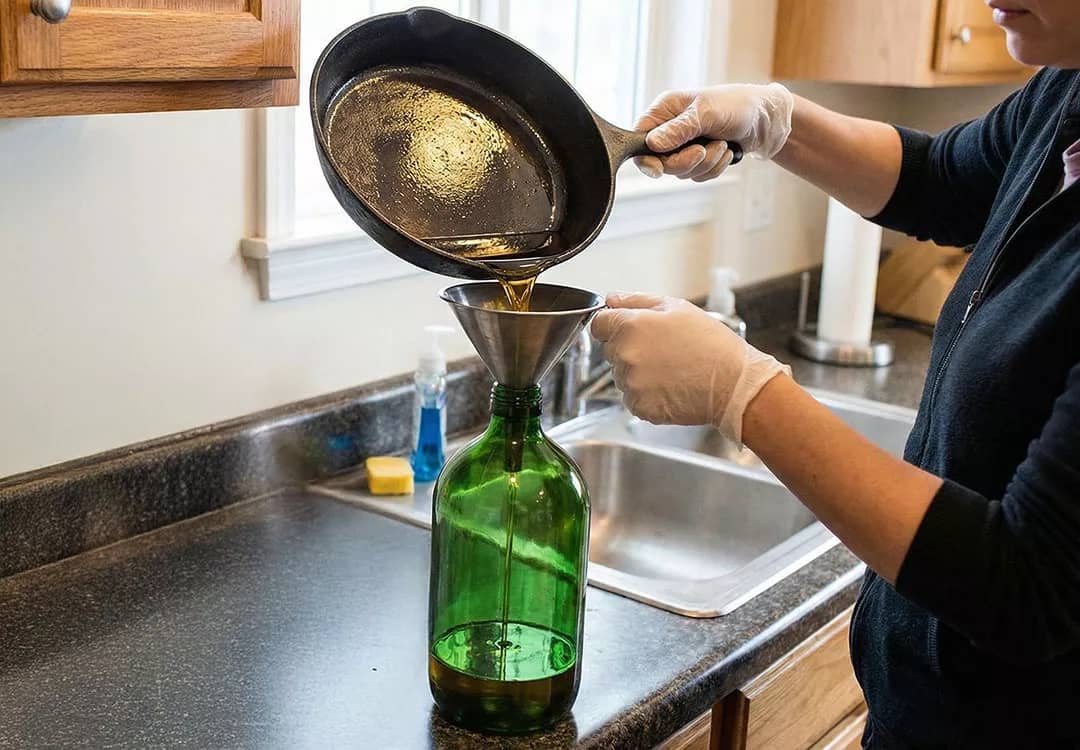
Fats, oils, grease and food scraps can build up inside pipes over time – leading to clogs, sewer backups and costly repairs.

“FOG” stands for fats, oils and grease. These materials may go down the drain as liquids, but they cool, harden and stick to pipes as they move through plumbing and sewer systems.
Common sources of FOG include:
Garbage disposals can make the problem worse by grinding food into smaller pieces that still collect inside pipes.

Kitchen waste that enters the drain can:
These issues can be especially common in apartments, condos and densely populated neighborhoods.
Protect your pipes and waterways with a few easy habits.
Garbage disposals don’t make food disappear – they simply break it into smaller pieces. Limiting disposal use can help reduce buildup in pipes and prevent plumbing problems over time.
When possible, compost food scraps or throw them in the trash instead.
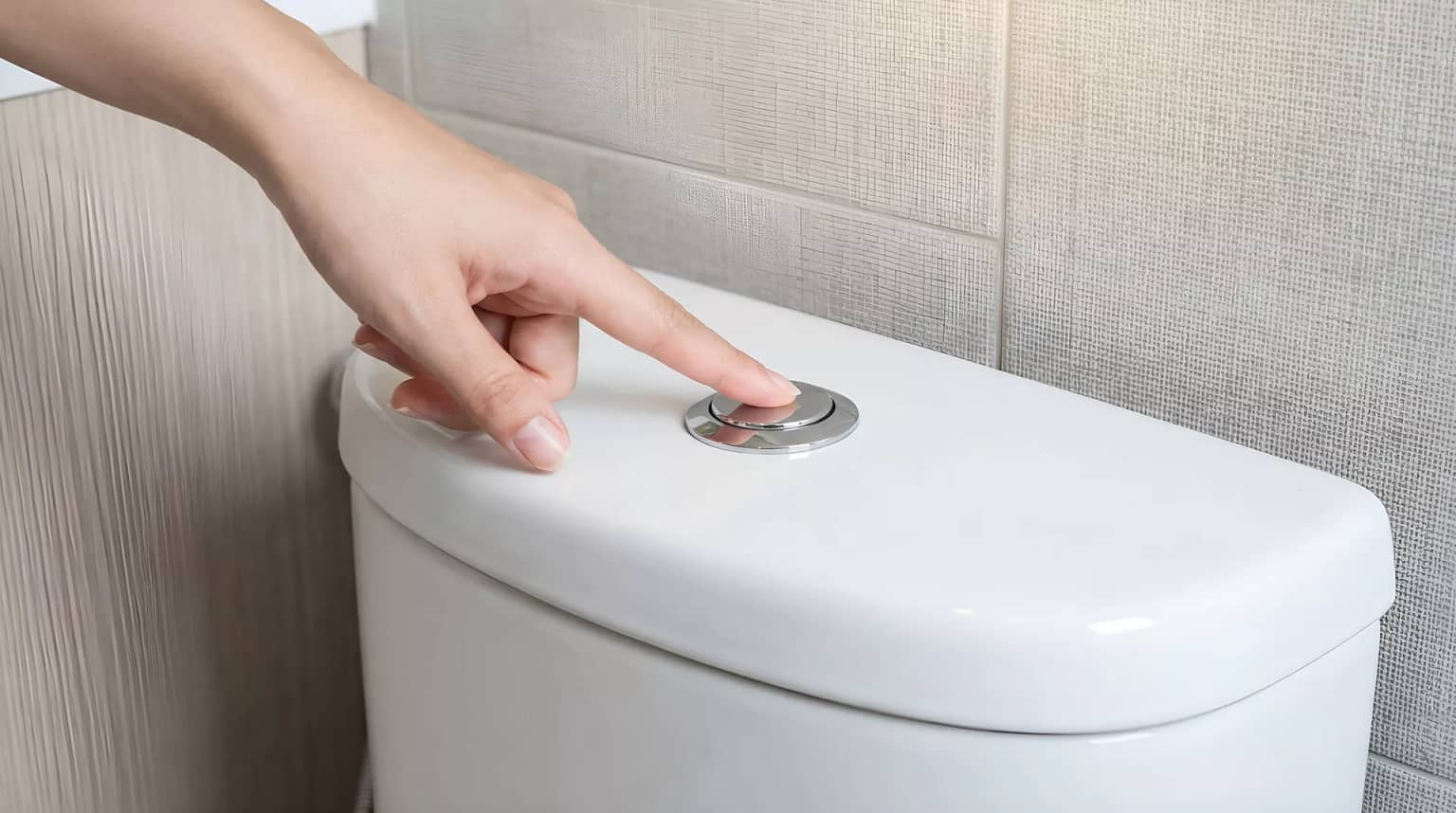
Find out what you should never flush down the toilet and how proper disposal protects pipes, pumps and local waterways.
Learn More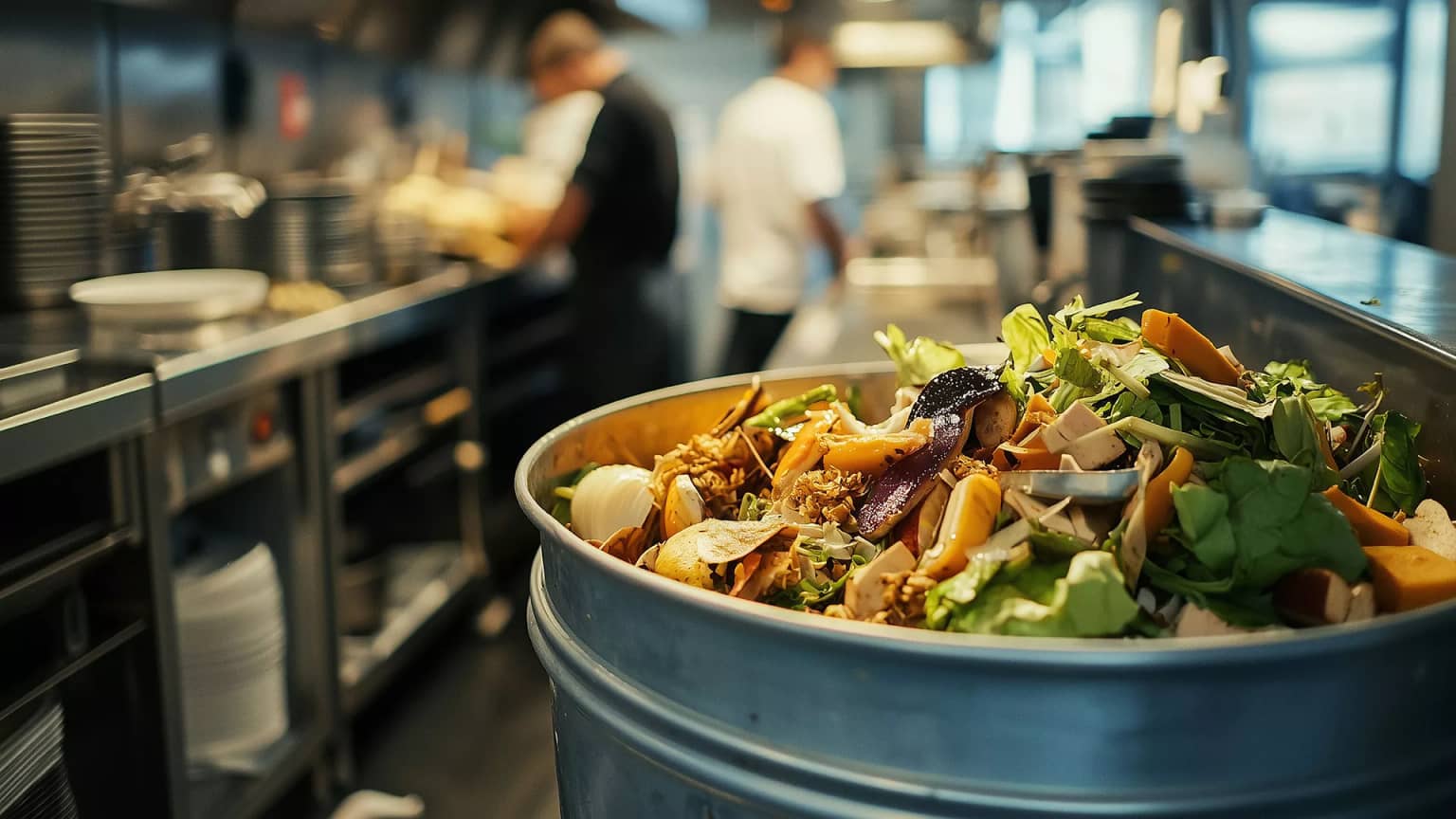
Find tips for restaurants that help reduce waste, manage grease properly and support cleaner kitchens.
Learn More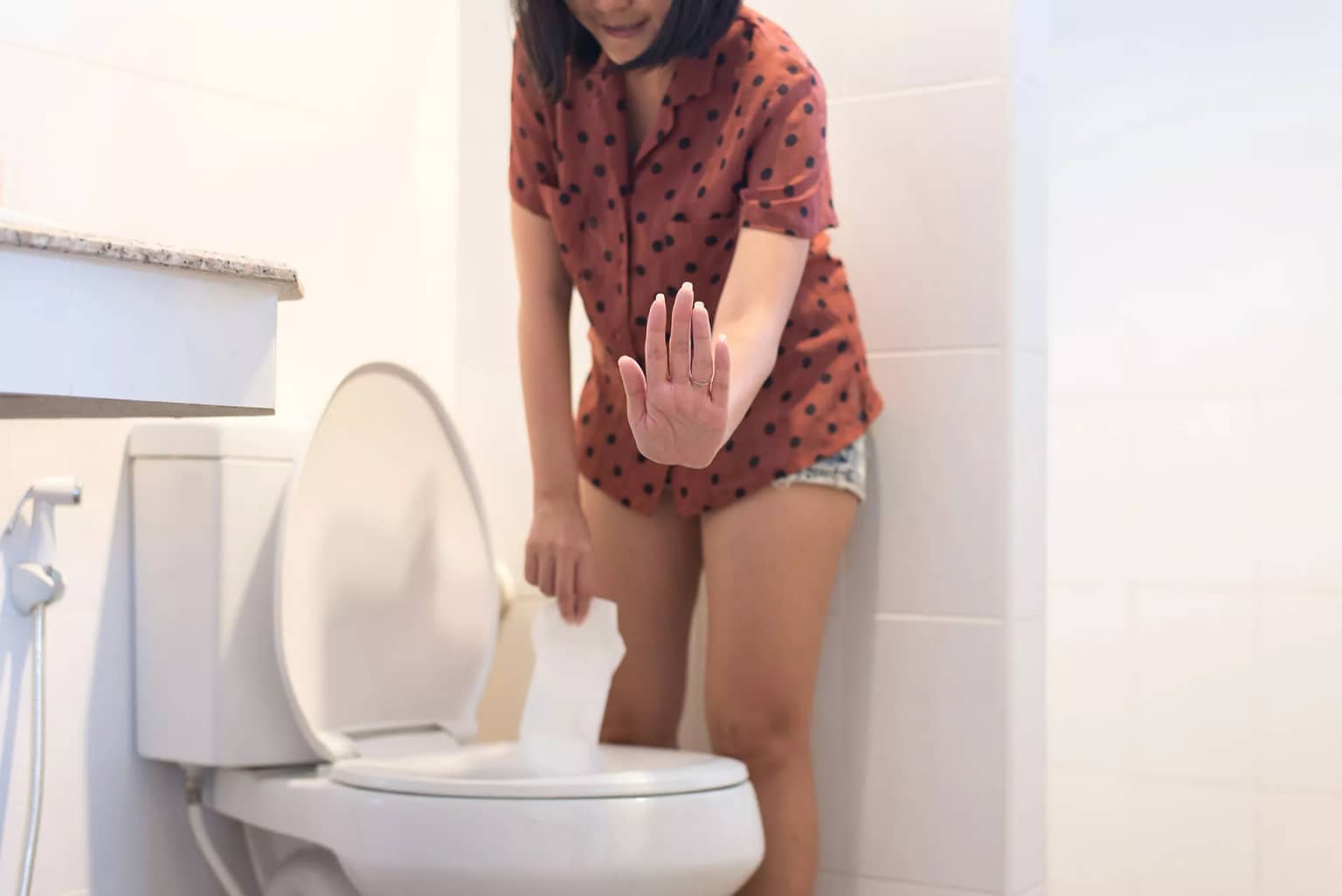
Learn why wipes should never be flushed and how proper disposal helps prevent clogs, backups and sewer damage.
Learn More