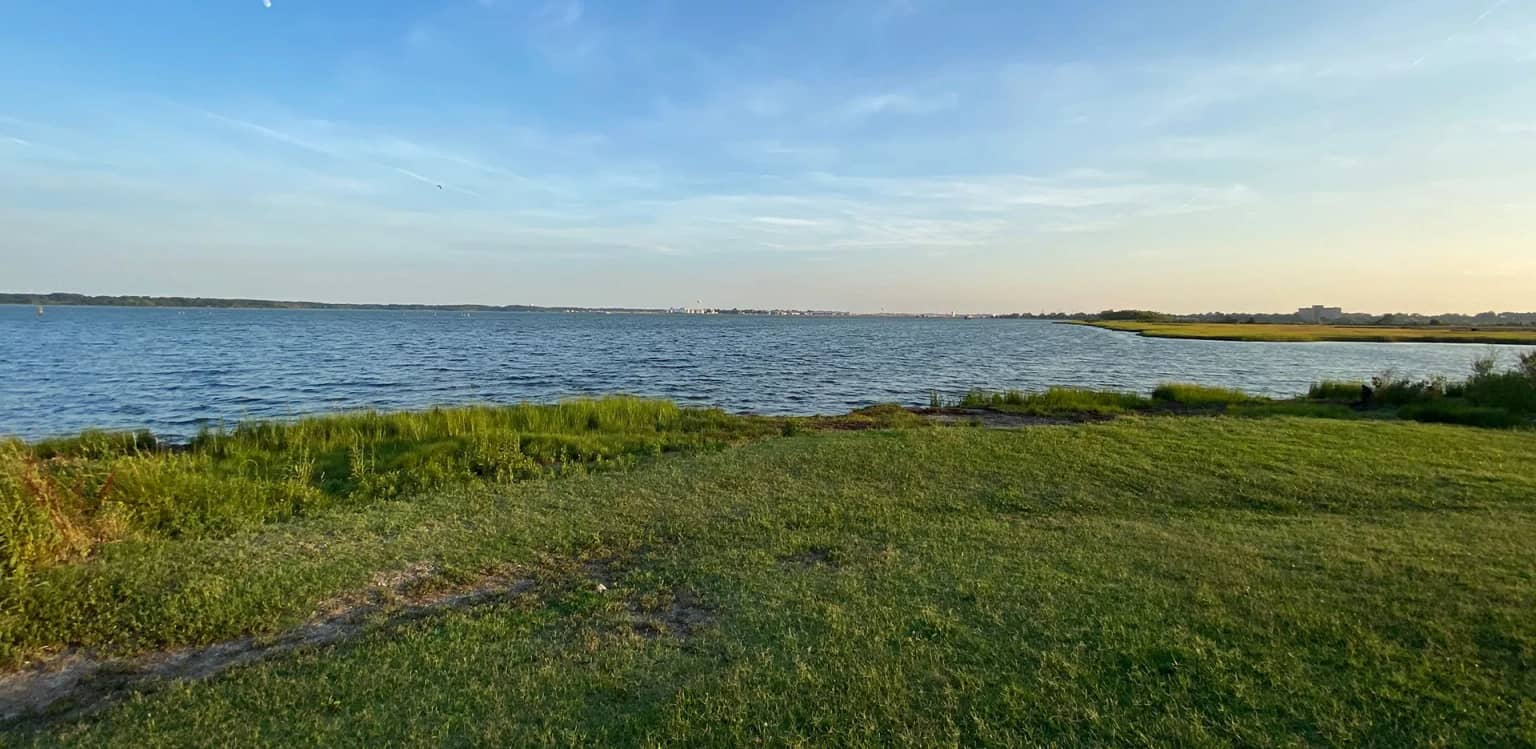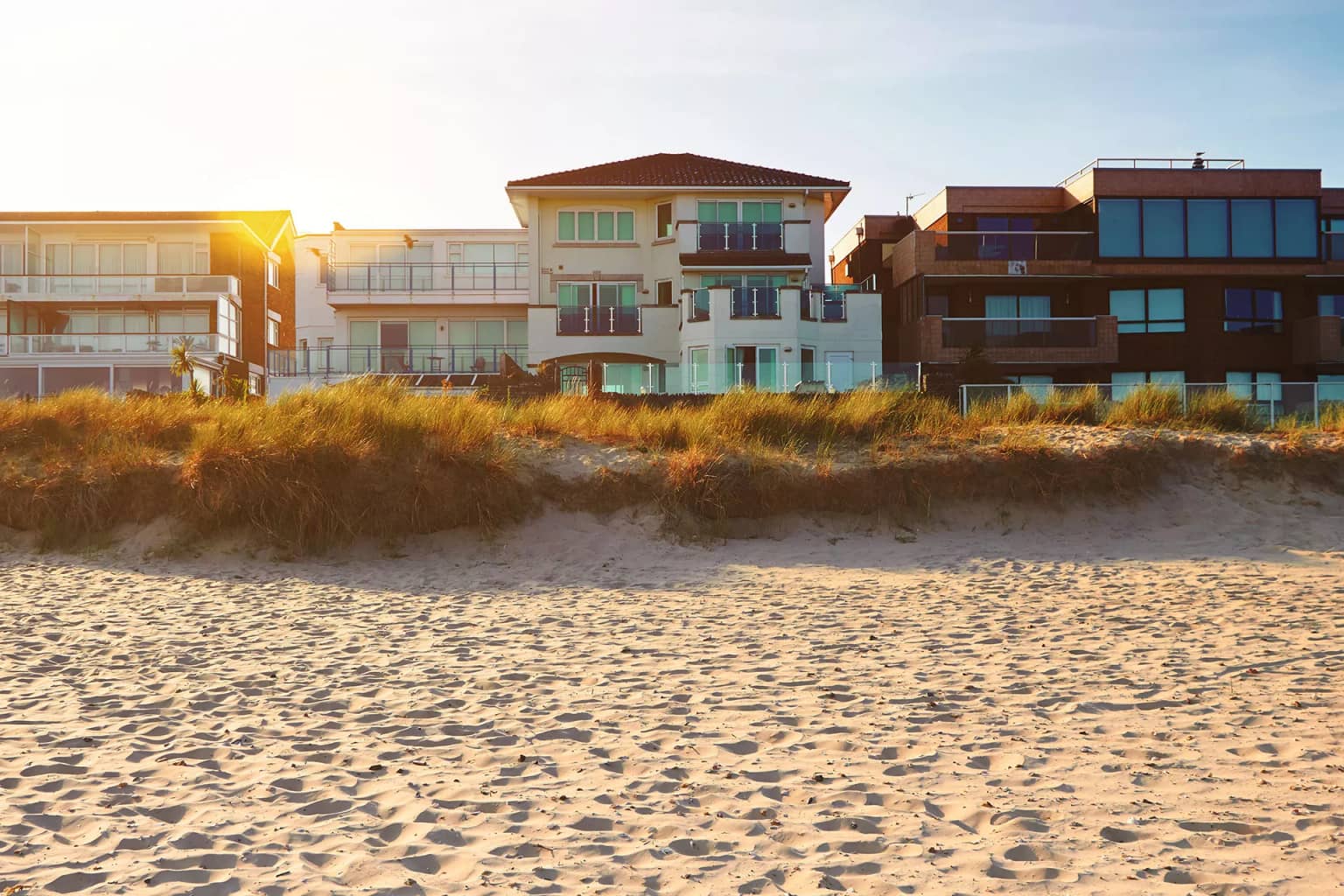
Living On The Water
Find tips for living along the water in ways that protect shorelines, reduce runoff and support healthier waterways.
Learn More
;%20}%20%3c/style%3e%3c/defs%3e%3cg%20id='c'%20data-name='Layer%201'%3e%3cpath%20class='d'%20d='M1308,389.62c0-130.65-108.28-246.14-274.2-316.6-13.54-5.83-27.31-11.2-41.54-16.33-4.43-1.63-9.1-3.03-13.77-4.67-13.3-4.67-26.84-8.87-40.61-12.83-8.87-2.57-17.73-4.9-26.84-7.23-4.43-1.17-9.1-2.1-13.77-3.27C821.67,10.5,739.76,0,653.18,0,292.4-.23,0,173.81,0,388.45c0,118.52,89.38,224.67,229.86,296.06,113.88,57.86,261.6,92.86,422.85,92.86,75.38,0,147.49-7.7,214.93-21.7,0,0,.7,0,1.87-.47,2.1-.47,4.2-.93,6.3-1.4,2.8-.47,6.07-.7,9.8-.7,11.43,0,27.3,3.5,44.57,15.86,46.91,40.36,107.12,66.03,173.15,66.03,15.64,0,23.8-1.87,31.5-3.03-52.97-14.46-105.01-65.79-58.34-145.82,141.42-71.39,231.5-177.78,231.5-296.76v.23Z'/%3e%3c/g%3e%3c/svg%3e)

The Chesapeake Bay watershed includes parts of New York, Pennsylvania, Virginia, Maryland, Delaware, West Virginia and Washington, D.C., covering approximately 64,000 square miles. Everything that happens within this watershed can affect the health of the Bay.
A healthy Chesapeake Bay provides:

The Bay faces challenges from excess nitrogen, phosphorus and sediment pollution. These pollutants are often carried into local streams, creeks, rivers and the Chesapeake Bay through stormwater runoff.
Too much pollution can:

To help restore the Chesapeake Bay, communities throughout the watershed are working to reduce pollution through a process known as the Total Maximum Daily Load, or TMDL, often called a “pollution diet.” A TMDL sets the maximum amount of a pollutant a body of water can receive while still meeting water quality standards.
For the Chesapeake Bay, the TMDL calls for significant pollution reductions, including 25% less nitrogen, 24% less phosphorus and 20% less sediment.
Local governments develop Watershed Implementation Plans, or WIPs, that outline strategies for reducing pollution and improving water quality. These plans rely on partnerships among localities, residents, businesses, developers, agricultural producers and wastewater treatment facilities.
Protecting the Chesapeake Bay starts with everyday actions at home and in your community.
Find tips for living along the water in ways that protect shorelines, reduce runoff and support healthier waterways.
Learn More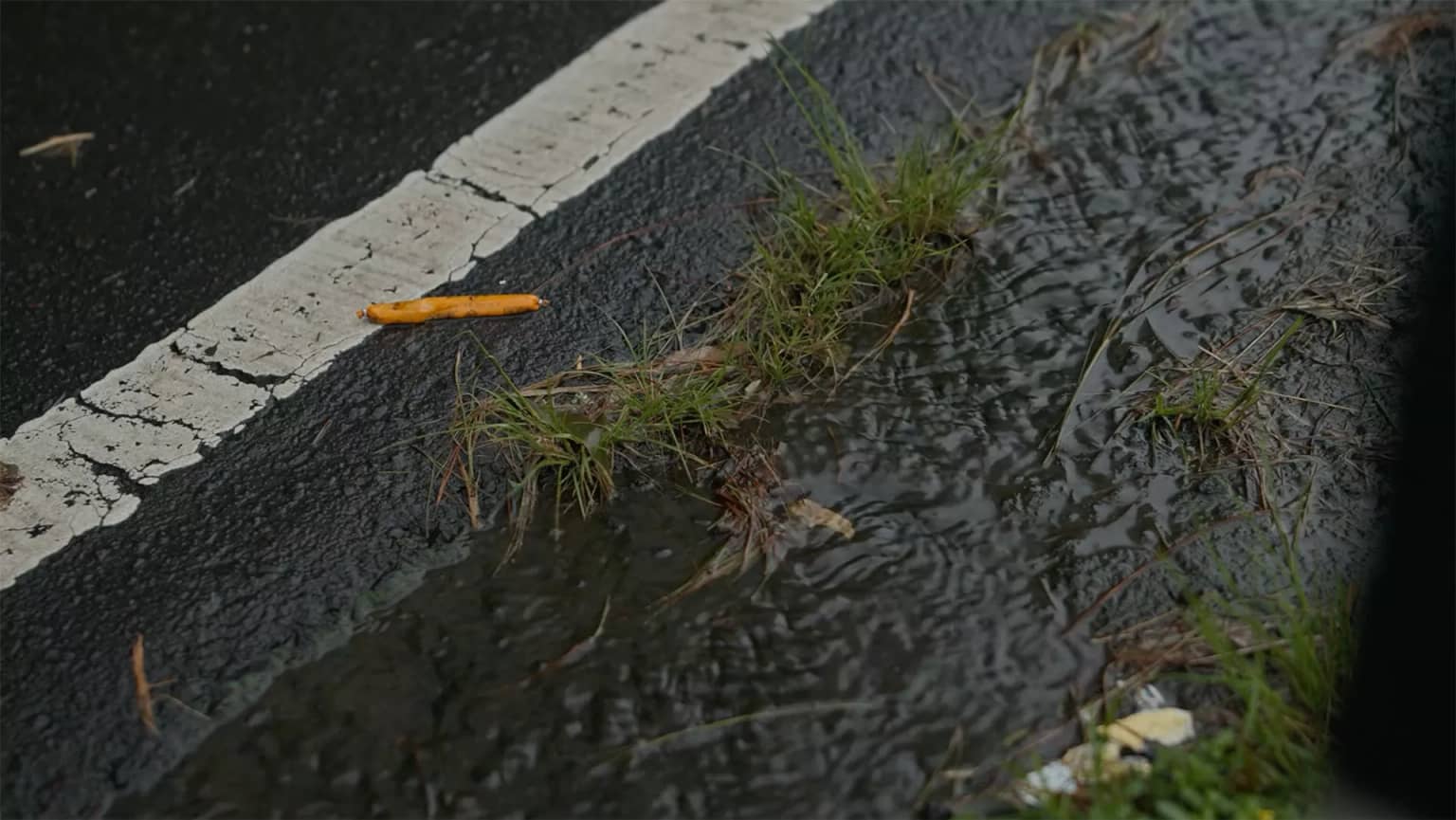
Learn how to keep leaves, litter, chemicals and other pollutants out of storm drains and local waterways.
Learn More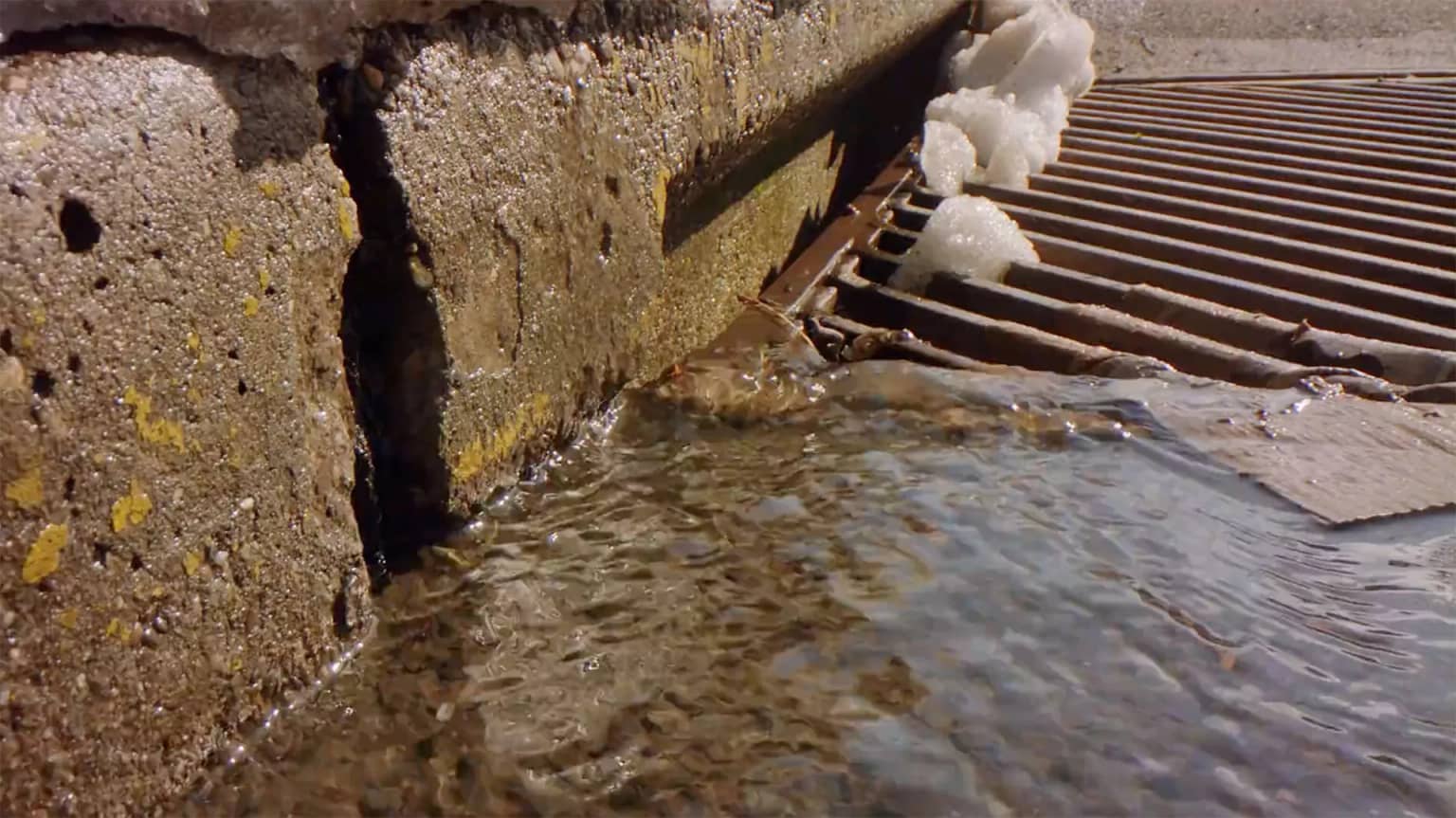
Learn where storm drains lead and how everyday actions can help keep pollution out of local waterways.
Learn More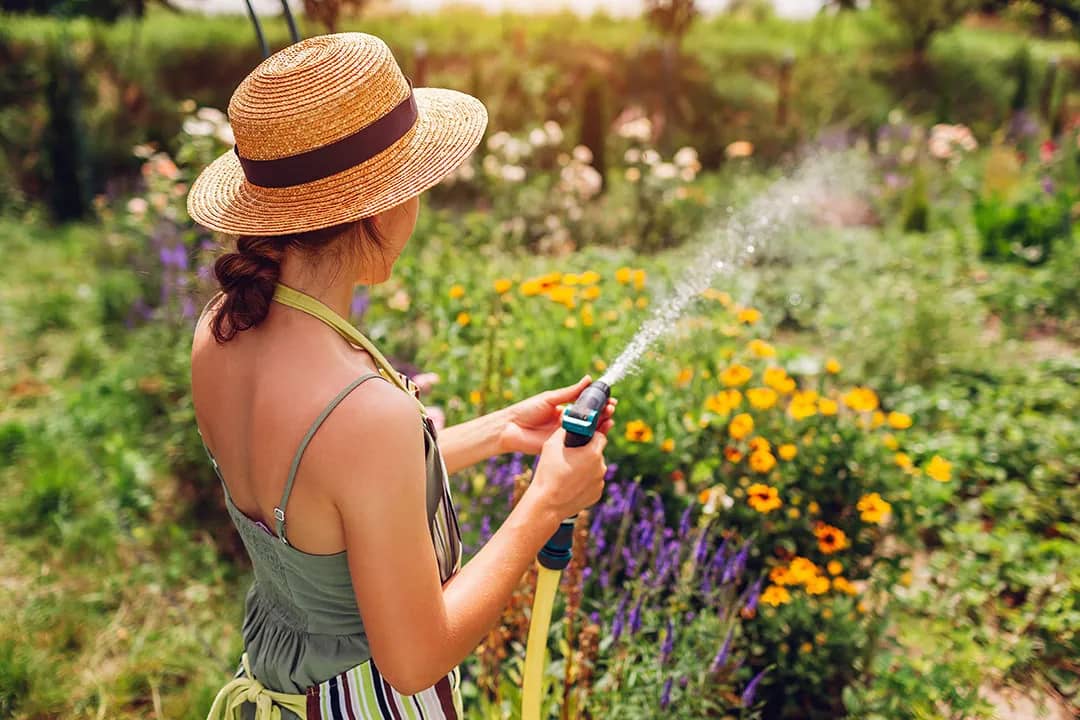
Learn simple ways to save water indoors and outdoors while supporting reliable water resources across Hampton Roads.
Learn More