Water Conservation
Learn simple ways to save water indoors and outdoors while supporting reliable water resources across Hampton Roads.
Learn More
;%20}%20%3c/style%3e%3c/defs%3e%3cg%20id='c'%20data-name='Layer%201'%3e%3cpath%20class='d'%20d='M1308,389.62c0-130.65-108.28-246.14-274.2-316.6-13.54-5.83-27.31-11.2-41.54-16.33-4.43-1.63-9.1-3.03-13.77-4.67-13.3-4.67-26.84-8.87-40.61-12.83-8.87-2.57-17.73-4.9-26.84-7.23-4.43-1.17-9.1-2.1-13.77-3.27C821.67,10.5,739.76,0,653.18,0,292.4-.23,0,173.81,0,388.45c0,118.52,89.38,224.67,229.86,296.06,113.88,57.86,261.6,92.86,422.85,92.86,75.38,0,147.49-7.7,214.93-21.7,0,0,.7,0,1.87-.47,2.1-.47,4.2-.93,6.3-1.4,2.8-.47,6.07-.7,9.8-.7,11.43,0,27.3,3.5,44.57,15.86,46.91,40.36,107.12,66.03,173.15,66.03,15.64,0,23.8-1.87,31.5-3.03-52.97-14.46-105.01-65.79-58.34-145.82,141.42-71.39,231.5-177.78,231.5-296.76v.23Z'/%3e%3c/g%3e%3c/svg%3e)
The Chesapeake Bay is the nation’s largest estuary and one of the world’s most productive, supporting thousands of plant and animal species across a 64,000-square-mile watershed. Your local waterway is part of that larger system, and everyday choices near the water can help protect the Bay or add to the challenges it faces.

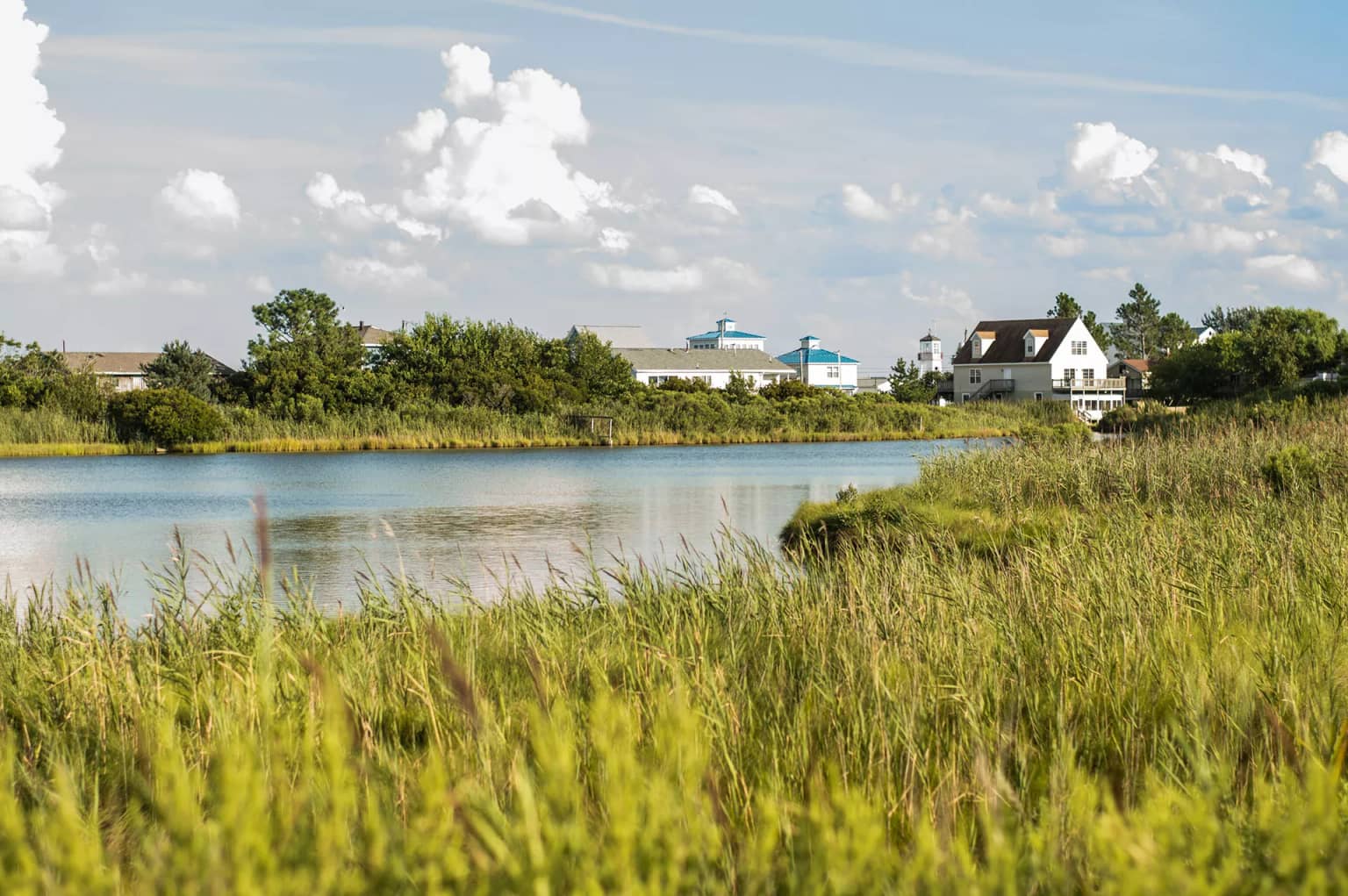
The Chesapeake Bay is the nation’s largest estuary and one of the world’s most productive, supporting thousands of plant and animal species across a 64,000-square-mile watershed. Waterfront properties in the Chesapeake Bay watershed may be subject to special regulations under the Chesapeake Bay Preservation Act, also known as the Bay Act. These rules help localities balance development with water quality protection along waterways, including on private property.
Before starting a project near the water, such as removing trees, mowing to the shoreline, adding a deck or shed, installing a pool or changing your landscape, contact your local planning or environmental department for guidance.

If your property is near the water, you may hear terms related to Chesapeake Bay Preservation Area rules and shoreline protection. Understanding these terms can help you ask better questions before starting a project.
Helpful terms:

A healthy waterfront yard can help protect your view, preserve your property and improve water quality. Trees, shrubs and native plants help filter pollutants from stormwater runoff, reduce erosion and provide habitat for birds, plants and animals that live near the water.
Water-friendly yard tips:
Every waterfront property is connected to a larger watershed. By preserving natural shorelines and making thoughtful landscaping choices, homeowners can help protect local rivers, the Chesapeake Bay and the wildlife that depend on them – while creating a healthier, more resilient shoreline for future generations.
Learn simple ways to save water indoors and outdoors while supporting reliable water resources across Hampton Roads.
Learn More
Learn where Hampton Roads tap water comes from and why public drinking water is safe, reliable and worth protecting.
Learn More
Learn why reliable water systems matter and how every drop supports our homes, communities, economy and quality of life.
Learn More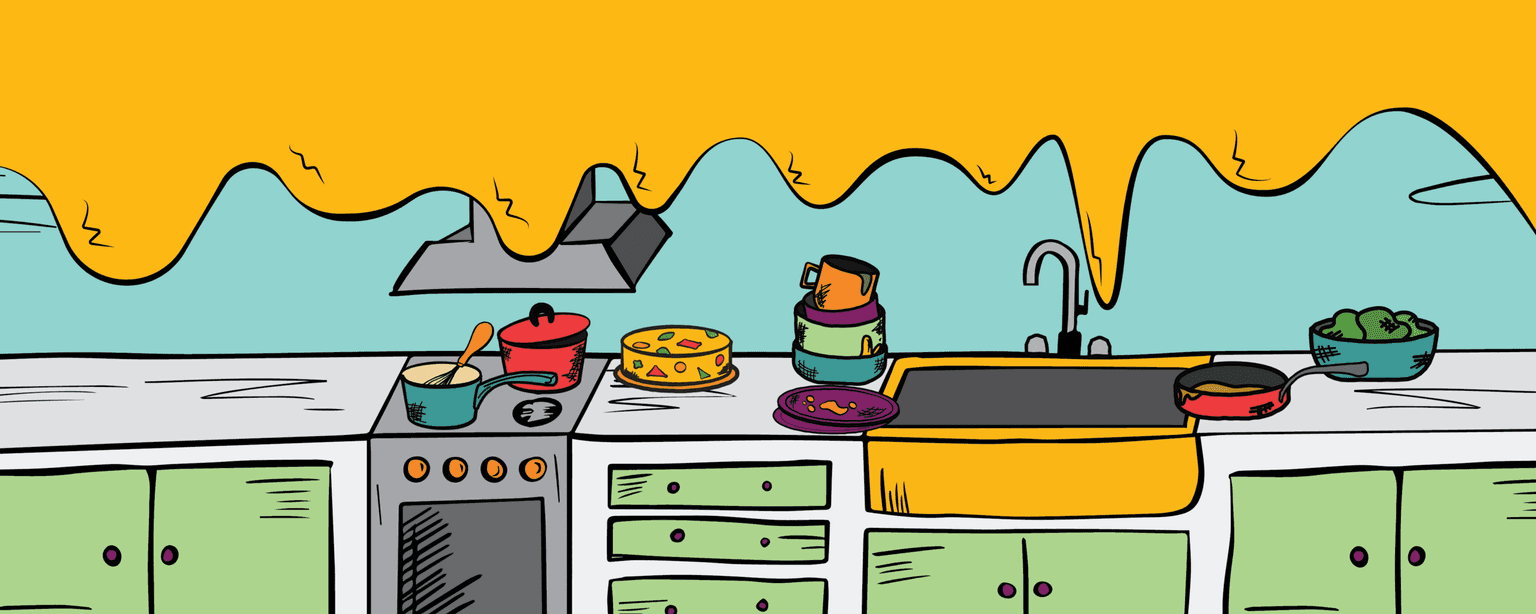
Learn how to keep fats, oils and grease out of your drains all year long to protect pipes and waterways.
Learn More