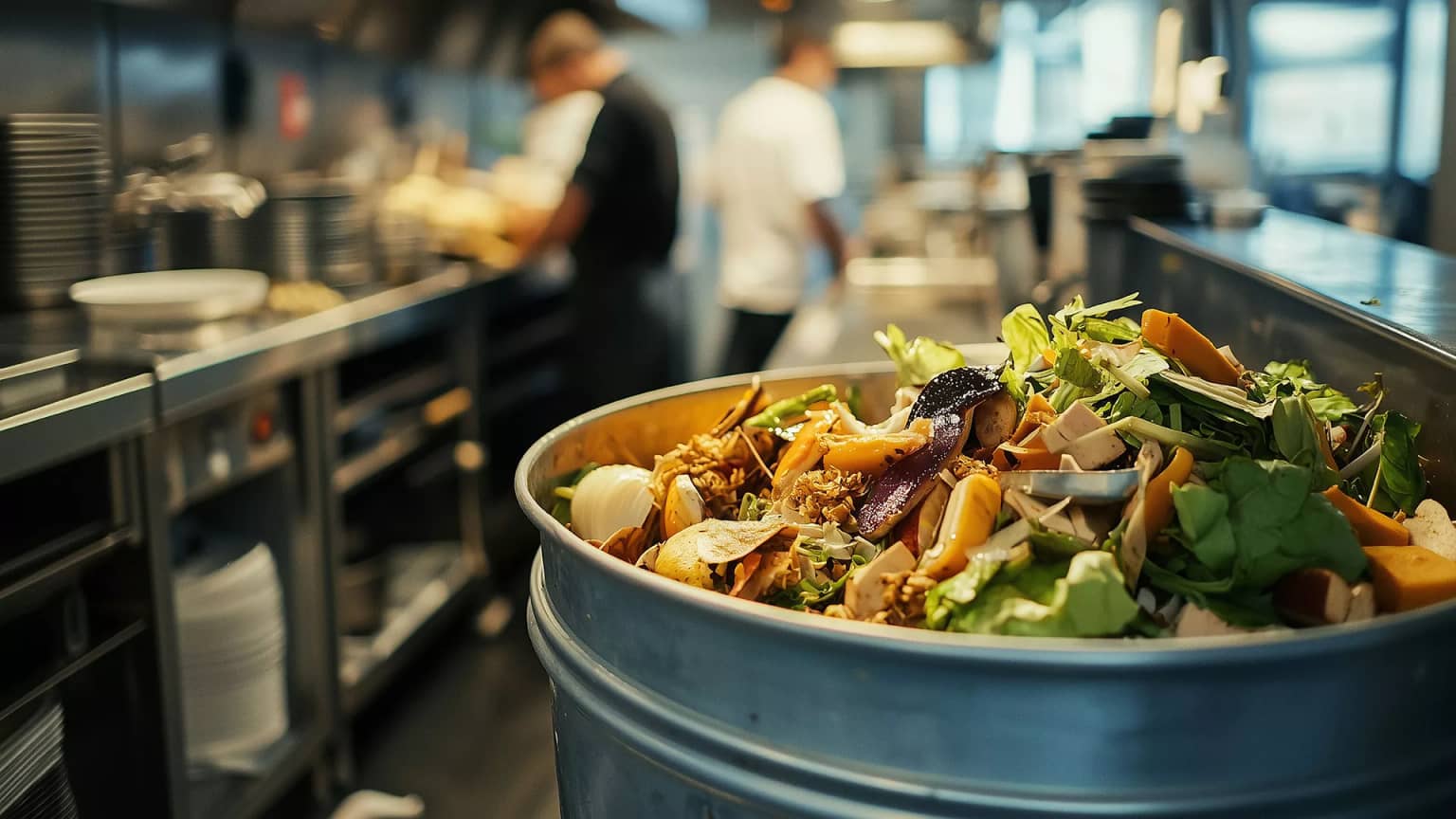
Restaurants: Green Kitchens
Find tips for restaurants that help reduce waste, manage grease properly and support cleaner kitchens.
Learn More
;%20}%20%3c/style%3e%3c/defs%3e%3cg%20id='c'%20data-name='Layer%201'%3e%3cpath%20class='d'%20d='M1308,389.62c0-130.65-108.28-246.14-274.2-316.6-13.54-5.83-27.31-11.2-41.54-16.33-4.43-1.63-9.1-3.03-13.77-4.67-13.3-4.67-26.84-8.87-40.61-12.83-8.87-2.57-17.73-4.9-26.84-7.23-4.43-1.17-9.1-2.1-13.77-3.27C821.67,10.5,739.76,0,653.18,0,292.4-.23,0,173.81,0,388.45c0,118.52,89.38,224.67,229.86,296.06,113.88,57.86,261.6,92.86,422.85,92.86,75.38,0,147.49-7.7,214.93-21.7,0,0,.7,0,1.87-.47,2.1-.47,4.2-.93,6.3-1.4,2.8-.47,6.07-.7,9.8-.7,11.43,0,27.3,3.5,44.57,15.86,46.91,40.36,107.12,66.03,173.15,66.03,15.64,0,23.8-1.87,31.5-3.03-52.97-14.46-105.01-65.79-58.34-145.82,141.42-71.39,231.5-177.78,231.5-296.76v.23Z'/%3e%3c/g%3e%3c/svg%3e)
Grease haulers pump out the contents of grease control devices and transport the collected FOG and solids to facilities that accept this type of waste, such as HRSD. By working with certified haulers, keeping accurate records and following local FOG program requirements, restaurants can help protect their business, local infrastructure and Hampton Roads waterways.

Grease control devices are used at food service establishments to separate and hold fats, oils, grease and settled solids while allowing wastewater to continue flowing to the sanitary sewer system.
The three types of grease control devices (GCDs) typically used at food service establishments include:
Also known as grease traps are typically small and located indoors connected to a three-compartment sink. These are designed for separating and retaining the FOG and settled solids while allowing water to continue to flow at a designated flow rate into the sanitary sewer using gravity. Newer HGIs made from polycarbonate plastic are tested and rated to break down and retain a high capacity of grease.
Are usually larger, made from concrete, and located outside underground. Like HGIs, these interceptors are also designed to separate and retain FOG and solids while allowing the remaining wastewater to be discharged to the sanitary sewer.
Are active, automatic devices that separate and remove FOG from wastewater while cleaning itself of accumulated FOG at least once every twenty-four hours using an electromechanical apparatus.

Proper grease control helps your business meet local requirements and avoid plumbing or sewer problems. If your food service establishment contracts with a company to maintain its grease control device, make sure the company is certified through the HR FOG Certification Program.
Compliance tips:

Grease control devices must be properly sized, installed and maintained to work as intended. Equipment that is too small, poorly maintained or not operating correctly can allow grease and solids to enter the sanitary sewer system.
Maintenance tips:
Grease control requirements can vary by locality, so it is important to know the rules for your city or county. For locality-specific FOG contacts, grease control guidance and program resources, visit the Community Resources page and select your city or county.
Find tips for restaurants that help reduce waste, manage grease properly and support cleaner kitchens.
Learn More
Learn how to keep fats, oils and grease out of your drains all year long to protect pipes and waterways.
Learn More
Keep fats, oils and grease out of drains with simple kitchen habits that help prevent clogs and sewer backups.
Learn More
Your kitchen sink and garbage disposal may seem convenient, but what goes down the drain can create major problems for your plumbing, local sewer systems, and the environment.
Learn More