
Fat Free Drains
;%20}%20%3c/style%3e%3c/defs%3e%3cg%20id='c'%20data-name='Layer%201'%3e%3cpath%20class='d'%20d='M1308,389.62c0-130.65-108.28-246.14-274.2-316.6-13.54-5.83-27.31-11.2-41.54-16.33-4.43-1.63-9.1-3.03-13.77-4.67-13.3-4.67-26.84-8.87-40.61-12.83-8.87-2.57-17.73-4.9-26.84-7.23-4.43-1.17-9.1-2.1-13.77-3.27C821.67,10.5,739.76,0,653.18,0,292.4-.23,0,173.81,0,388.45c0,118.52,89.38,224.67,229.86,296.06,113.88,57.86,261.6,92.86,422.85,92.86,75.38,0,147.49-7.7,214.93-21.7,0,0,.7,0,1.87-.47,2.1-.47,4.2-.93,6.3-1.4,2.8-.47,6.07-.7,9.8-.7,11.43,0,27.3,3.5,44.57,15.86,46.91,40.36,107.12,66.03,173.15,66.03,15.64,0,23.8-1.87,31.5-3.03-52.97-14.46-105.01-65.79-58.34-145.82,141.42-71.39,231.5-177.78,231.5-296.76v.23Z'/%3e%3c/g%3e%3c/svg%3e)
Keep Fats, Oils & Grease Out of the Drain
Fats, oils and grease, often called FOG, can cause serious problems when they go down the drain. Once inside pipes and sewer systems, FOG can cool, harden and build up over time, leading to clogs, backups and costly repairs.
Keeping drains fat free starts in the kitchen. A few simple habits can help protect your plumbing, prevent sewer problems and keep pollution out of Hampton Roads waterways.

What Counts as FOG?
Many common kitchen items can contribute to buildup in pipes and sewer systems, especially when they are poured, rinsed or washed down the drain.
FOG can include:
- Cooking oil and cooking grease
- Meat fats
- Lard and shortening
- Butter and margarine
- Food scraps
- Dairy products
- Batters and icing
- Dressings and sauces
Excessive use of garbage disposals can also contribute to buildup by sending food scraps and greasy residue into the sewer system.
Keep Drains Fat Free
Protecting your pipes is as easy as remembering these three simple steps:
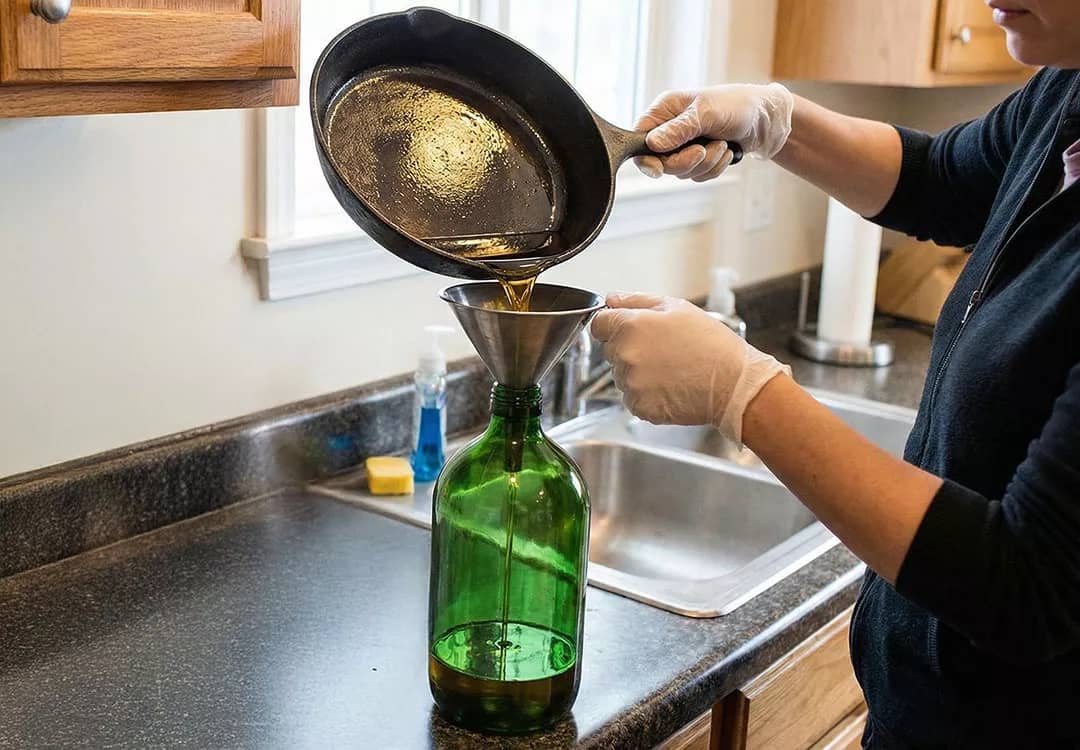
Dispose of FOG Properly
Fats, oils and grease should never be poured down the sink, rinsed into the drain or placed in the garbage disposal. Small amounts can be collected in a heat-safe container, allowed to cool and solidify, and placed in the trash.
Larger quantities, such as used fryer oil, may be accepted through local household hazardous waste or recycling programs. Return used oil to its original container when possible and check your locality’s guidance before dropping it off. Some programs may have specific requirements for how much they accept and how it should be prepared.