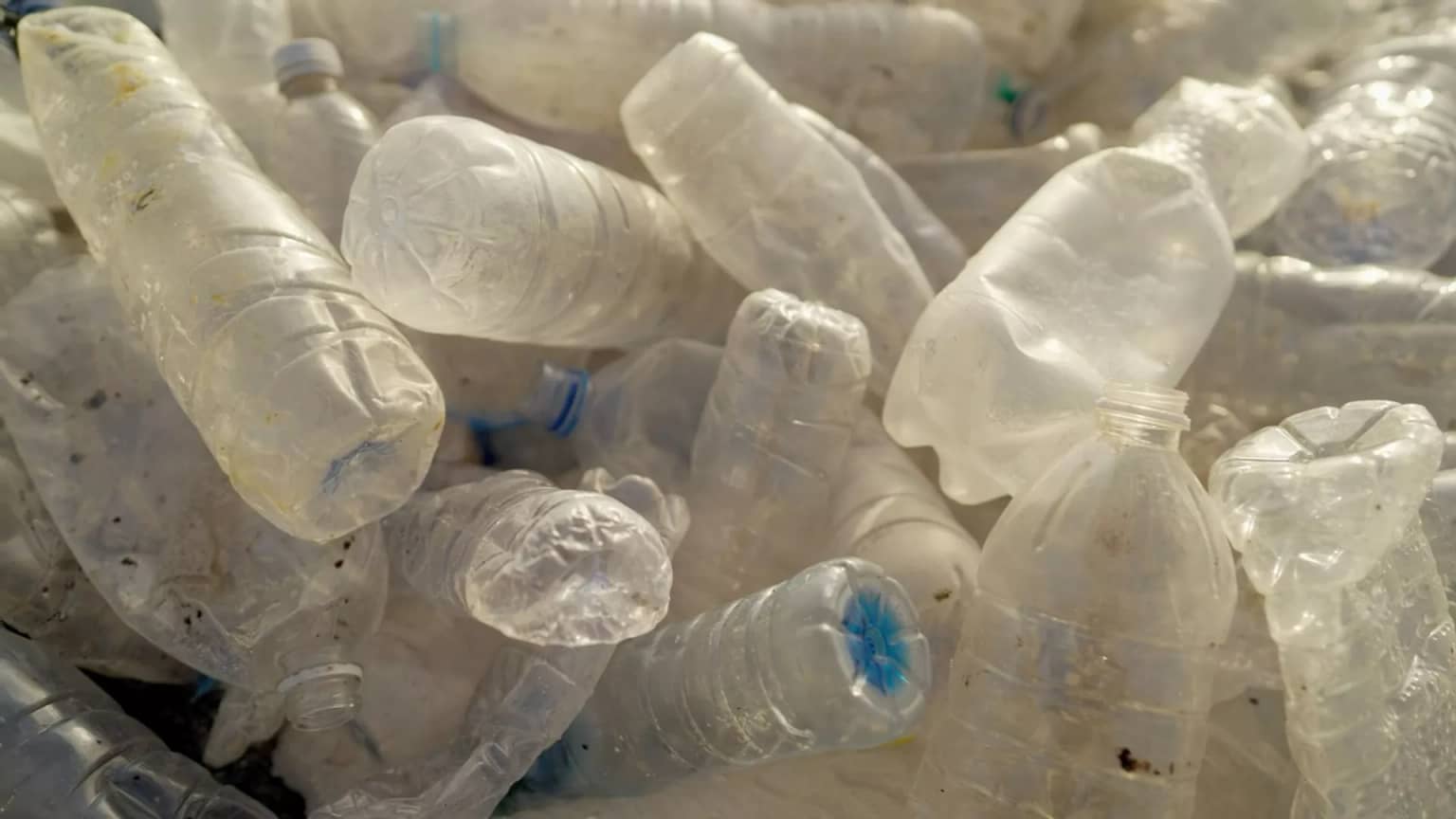
Recycling
Get practical recycling tips and use the recycling & disposal tool to find out what should be recycled, belongs in the trash or requires special disposal in your community.
Learn More
;%20}%20%3c/style%3e%3c/defs%3e%3cg%20id='c'%20data-name='Layer%201'%3e%3cpath%20class='d'%20d='M1308,389.62c0-130.65-108.28-246.14-274.2-316.6-13.54-5.83-27.31-11.2-41.54-16.33-4.43-1.63-9.1-3.03-13.77-4.67-13.3-4.67-26.84-8.87-40.61-12.83-8.87-2.57-17.73-4.9-26.84-7.23-4.43-1.17-9.1-2.1-13.77-3.27C821.67,10.5,739.76,0,653.18,0,292.4-.23,0,173.81,0,388.45c0,118.52,89.38,224.67,229.86,296.06,113.88,57.86,261.6,92.86,422.85,92.86,75.38,0,147.49-7.7,214.93-21.7,0,0,.7,0,1.87-.47,2.1-.47,4.2-.93,6.3-1.4,2.8-.47,6.07-.7,9.8-.7,11.43,0,27.3,3.5,44.57,15.86,46.91,40.36,107.12,66.03,173.15,66.03,15.64,0,23.8-1.87,31.5-3.03-52.97-14.46-105.01-65.79-58.34-145.82,141.42-71.39,231.5-177.78,231.5-296.76v.23Z'/%3e%3c/g%3e%3c/svg%3e)
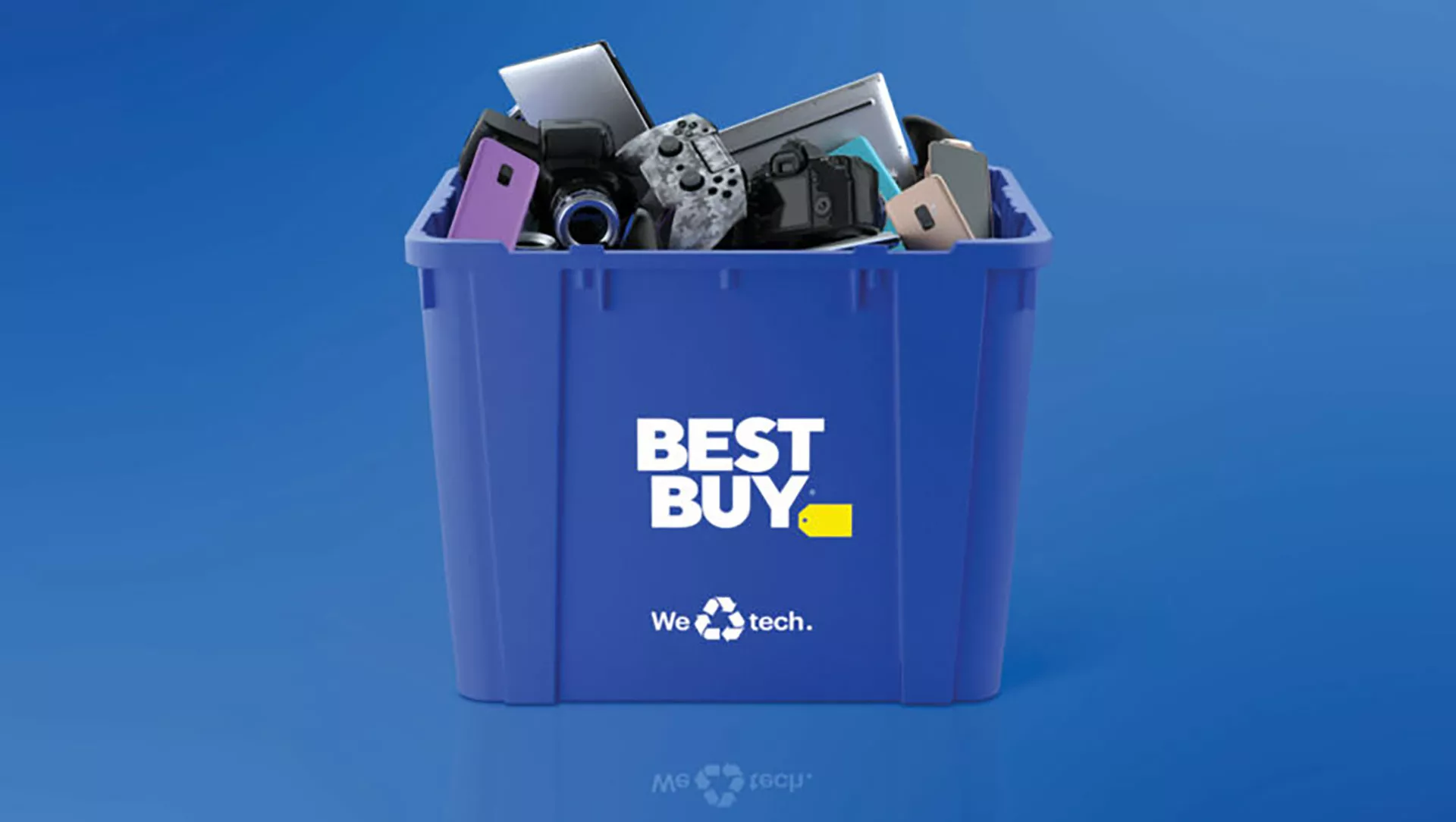
New devices come out quickly, but old electronics should not be treated like regular trash. Computers, phones, TVs and other electronics may contain materials such as lead, mercury and cadmium that can be harmful when they are not handled properly. Before you toss an old device, consider whether it can be donated, reused or recycled through a trusted program. Proper electronics recycling helps protect the environment, recover valuable materials and keep hazardous items out of the waste stream.
Electronics can contain hazardous materials that may pollute the environment or create health risks when improperly disposed of. They can also contain valuable metal, plastic and glass that can be recovered and reused in new products.
Choosing a reputable recycler helps ensure electronics are handled responsibly. The EPA recognizes certification programs such as e-Stewards® and Responsible Recycling Practices for Electronics Recyclers, also known as R2, for advancing safer electronics recycling practices.

If your device still works, donating it may be a better option than recycling. Computers, tablets and other electronics may be useful to schools, nonprofits, charities or community organizations.
Donation Resources May Include:
Before donating, check with the organization to confirm what items they accept and whether the device needs to meet age, condition or functionality requirements.
If your electronics are old, broken or no longer usable, look for a responsible recycling option. Recycling programs and accepted items can vary, so always check details before dropping anything off.
Start with the Recycling & Disposal Tool to find electronics recycling and disposal options in your Hampton Roads community.


Before donating or recycling any computer, phone, tablet or storage device, remove personal information and back up anything you want to keep. Devices may contain passwords, photos, documents, financial information and other sensitive data.
You may need to reset the device, remove accounts, erase stored data or use disk-cleaning tools before recycling or donating. Helpful data removal tools may include:
When in doubt, check the manufacturer’s guidance or get help from a trusted technology professional before donating or recycling your device.
For additional information on e-Waste vendors and non-profits doing work in Virginia, visit the Department of Environmental Quality’s comprehensive list of e-cycling vendors.
Get practical recycling tips and use the recycling & disposal tool to find out what should be recycled, belongs in the trash or requires special disposal in your community.
Learn More
Learn how buying thoughtfully, donating gently used clothing and reducing textile waste can make your closet a little greener.
Learn More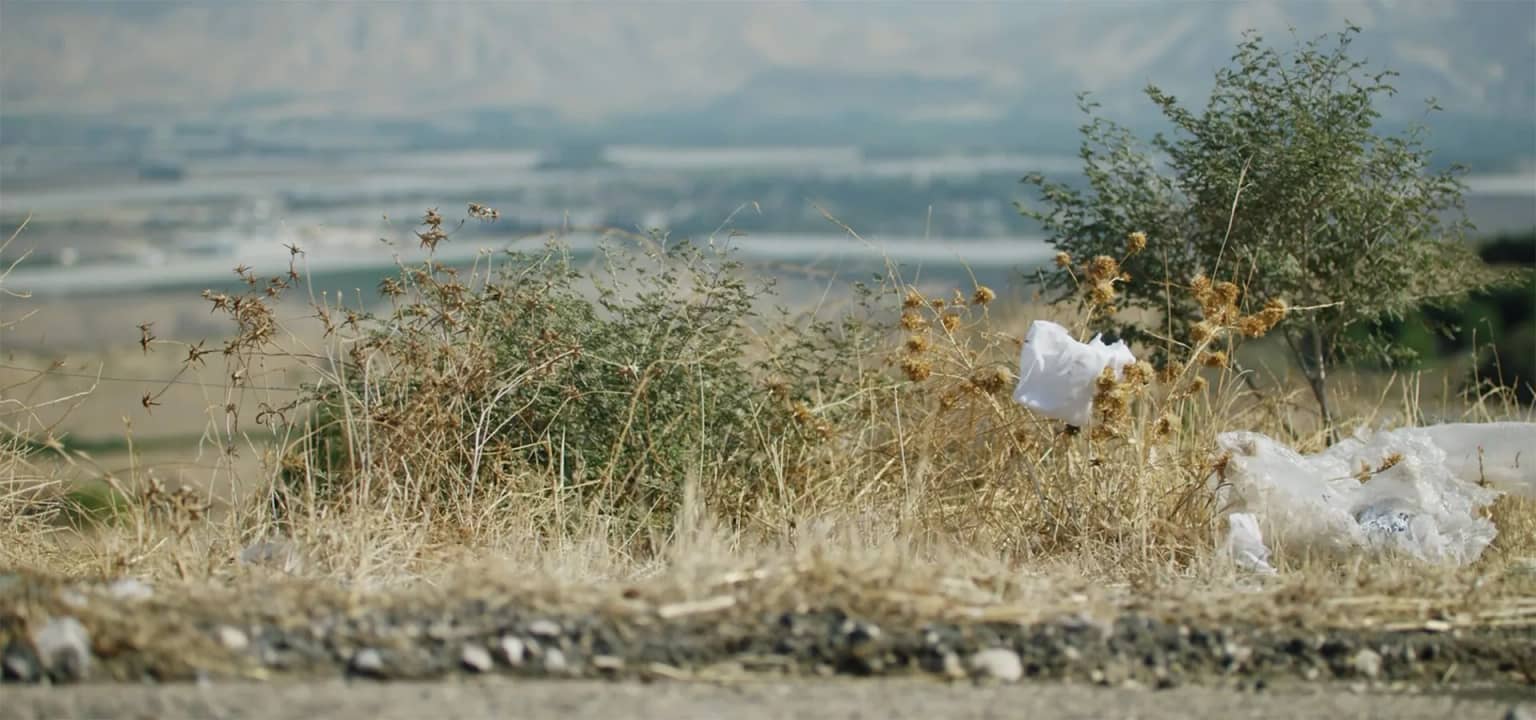
Find tips for reducing plastic bag waste, recycling bags properly and choosing reusable options whenever possible.
Learn More
Sign up to join the Hampton Roads Great American Cleanup and help remove litter, beautify public spaces and protect local waterways.
Learn More