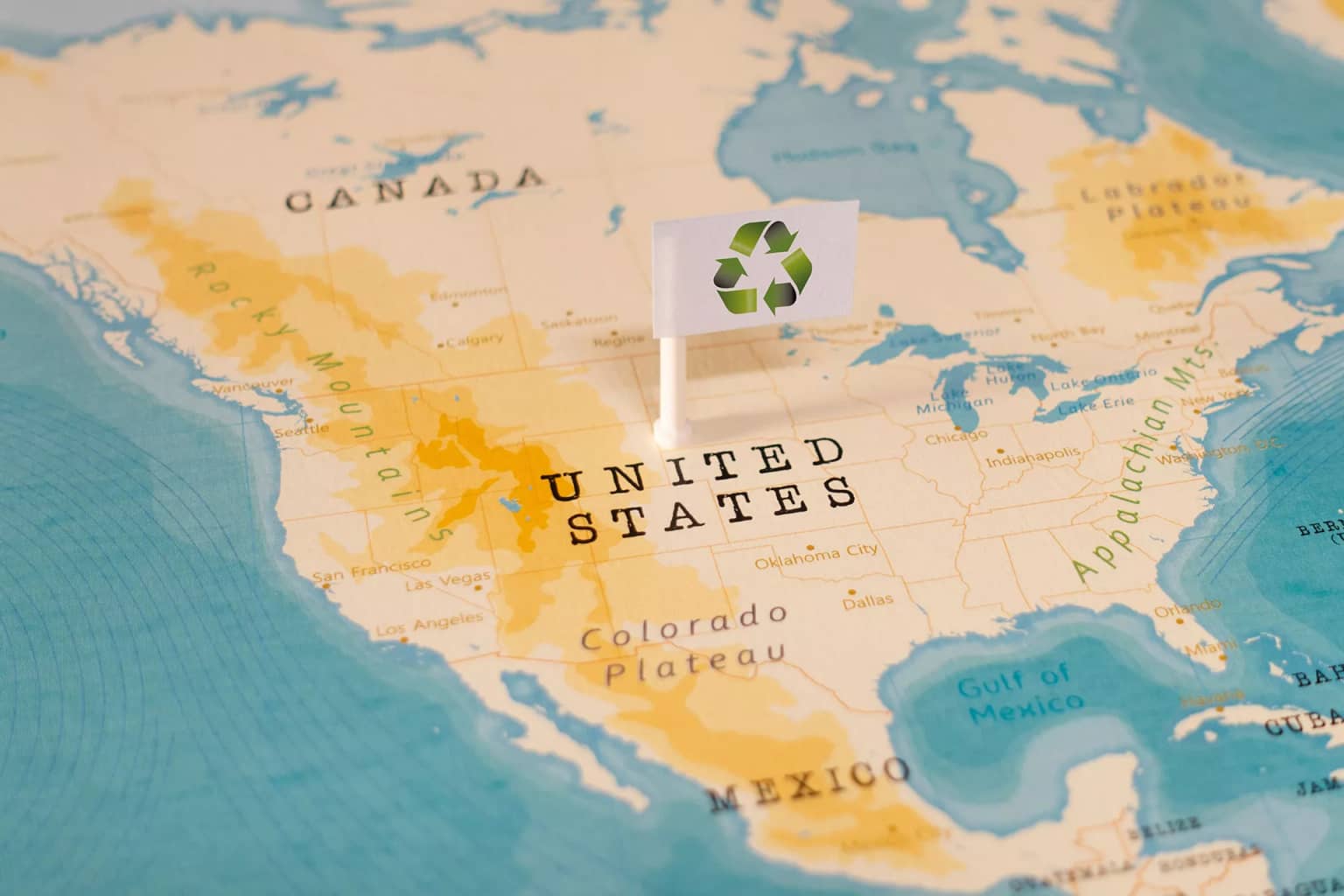
America Recycles Day
Refresh your recycling habits with simple tips to recycle correctly, reduce waste and make a difference in Hampton Roads.
Learn More
;%20}%20%3c/style%3e%3c/defs%3e%3cg%20id='c'%20data-name='Layer%201'%3e%3cpath%20class='d'%20d='M1308,389.62c0-130.65-108.28-246.14-274.2-316.6-13.54-5.83-27.31-11.2-41.54-16.33-4.43-1.63-9.1-3.03-13.77-4.67-13.3-4.67-26.84-8.87-40.61-12.83-8.87-2.57-17.73-4.9-26.84-7.23-4.43-1.17-9.1-2.1-13.77-3.27C821.67,10.5,739.76,0,653.18,0,292.4-.23,0,173.81,0,388.45c0,118.52,89.38,224.67,229.86,296.06,113.88,57.86,261.6,92.86,422.85,92.86,75.38,0,147.49-7.7,214.93-21.7,0,0,.7,0,1.87-.47,2.1-.47,4.2-.93,6.3-1.4,2.8-.47,6.07-.7,9.8-.7,11.43,0,27.3,3.5,44.57,15.86,46.91,40.36,107.12,66.03,173.15,66.03,15.64,0,23.8-1.87,31.5-3.03-52.97-14.46-105.01-65.79-58.34-145.82,141.42-71.39,231.5-177.78,231.5-296.76v.23Z'/%3e%3c/g%3e%3c/svg%3e)
Before you toss clothing, shoes, belts, handbags, linens or other textiles, think about whether they can be donated, consigned, reused or recycled.
Clothing production uses a lot of resources, from water and energy to raw materials and transportation. It can take an estimated 713 gallons of water to make just one cotton T-shirt, and cotton production may also involve pesticides and other chemicals.
By buying thoughtfully and extending the life of what you already have, you can reduce waste, conserve resources and help keep usable materials out of the trash.

Many agencies and organizations collect gently used clothing, linens and household textiles. Your place of worship, local family shelter or community organization may maintain a clothing closet, and organizations such as Children’s Hospital of The King’s Daughters, Goodwill and The Salvation Army operate thrift stores and donation programs in Hampton Roads.
Local animal shelters, SPCAs, veterinarians and other animal care organizations may also accept extra linens, especially towels, for bathing and caring for pets. Before donating, check with the organization to confirm what items they accept and how donations should be prepared.

If you have clothing or accessories in good condition, consignment shops may be a good option for giving those items a second life while earning a little extra money.
You can also look for creative reuse opportunities in your community. Local colleges, theater programs and arts organizations may accept clothing donations for costumes, projects or performances.

Shopping at local consignment shops and secondhand stores can help reduce demand for new products while saving money. Many secondhand stores are also nonprofits that reinvest in the community through social services and other programs.
Before buying new, consider whether you can find what you need secondhand, borrow it, repair something you already own or choose an item made with recycled or more sustainable materials.

Clothing and textiles often have more life left in them than we realize. By donating, consigning, reusing and buying thoughtfully, Hampton Roads residents can reduce waste and support a cleaner, greener community.
Refresh your recycling habits with simple tips to recycle correctly, reduce waste and make a difference in Hampton Roads.
Learn More
Get practical recycling tips and use the recycling & disposal tool to find out what should be recycled, belongs in the trash or requires special disposal in your community.
Learn More
Find responsible ways to recycle, donate or dispose of old electronics while reducing waste and protecting the environment.
Learn More
Find tips for reducing plastic bag waste, recycling bags properly and choosing reusable options whenever possible.
Learn More