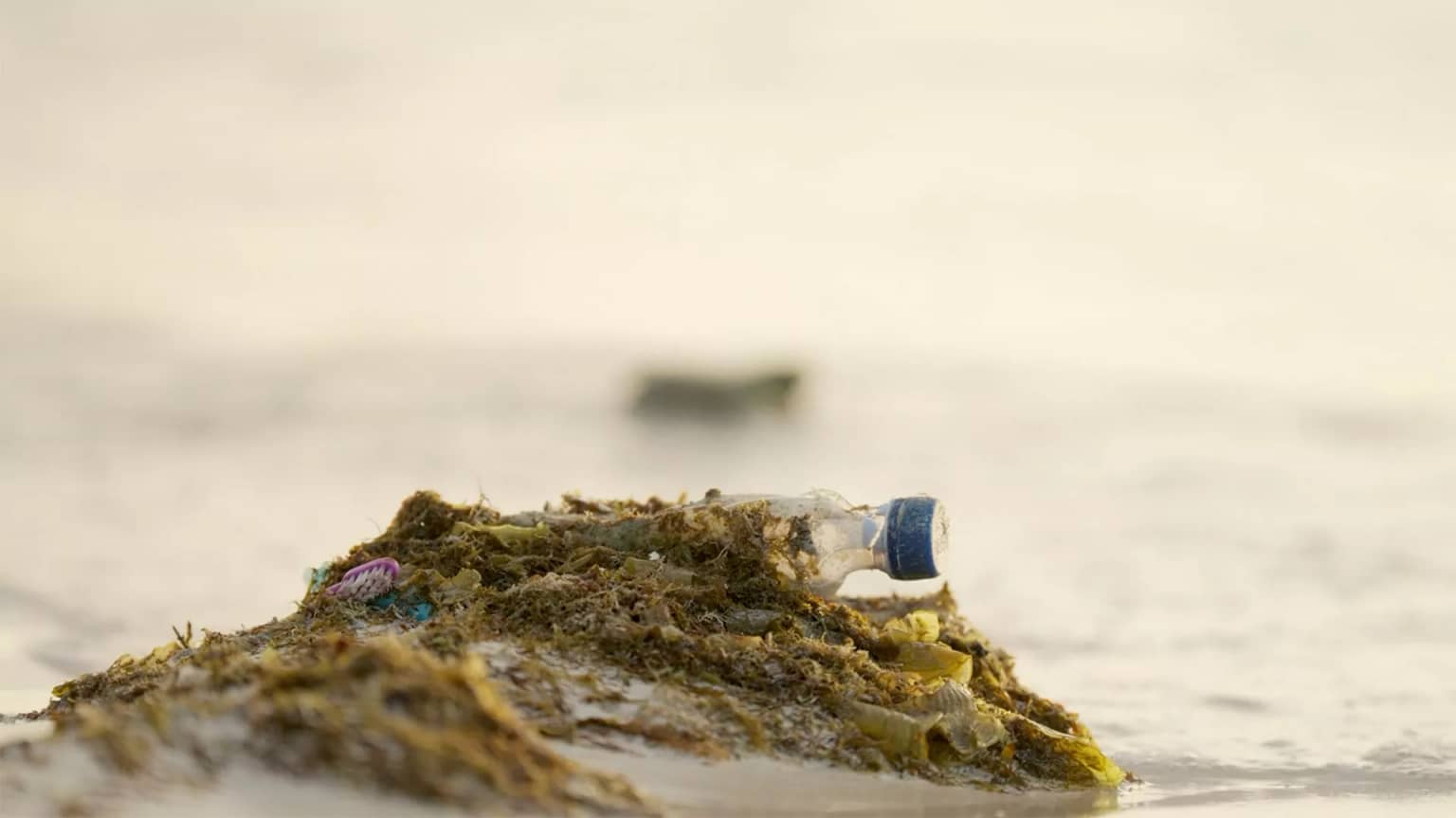
Litter Prevention
Learn simple ways to prevent litter, protect local waterways and help keep Hampton Roads clean and beautiful.
Learn More
;%20}%20%3c/style%3e%3c/defs%3e%3cg%20id='c'%20data-name='Layer%201'%3e%3cpath%20class='d'%20d='M1308,389.62c0-130.65-108.28-246.14-274.2-316.6-13.54-5.83-27.31-11.2-41.54-16.33-4.43-1.63-9.1-3.03-13.77-4.67-13.3-4.67-26.84-8.87-40.61-12.83-8.87-2.57-17.73-4.9-26.84-7.23-4.43-1.17-9.1-2.1-13.77-3.27C821.67,10.5,739.76,0,653.18,0,292.4-.23,0,173.81,0,388.45c0,118.52,89.38,224.67,229.86,296.06,113.88,57.86,261.6,92.86,422.85,92.86,75.38,0,147.49-7.7,214.93-21.7,0,0,.7,0,1.87-.47,2.1-.47,4.2-.93,6.3-1.4,2.8-.47,6.07-.7,9.8-.7,11.43,0,27.3,3.5,44.57,15.86,46.91,40.36,107.12,66.03,173.15,66.03,15.64,0,23.8-1.87,31.5-3.03-52.97-14.46-105.01-65.79-58.34-145.82,141.42-71.39,231.5-177.78,231.5-296.76v.23Z'/%3e%3c/g%3e%3c/svg%3e)
From remote controls and toys to laptops and power tools, batteries help power our daily lives. But when batteries reach the end of their useful life, knowing how to dispose of them properly isn’t always easy. Improperly disposing of some types of batteries can cause fires, damage equipment, and release chemicals into the environment. Other types of batteries can safely go in the trash. Knowing which batteries need special handling and where to recycle or dispose of them safely helps protect people, workers, facilities, and the environment.
Many batteries contain metals and chemicals that can be recovered and reused through proper recycling programs.
Improper Disposal Can:

Battery recycling and disposal options can vary by locality, battery type and drop-off location.
Not sure what type of battery you have? Check the label! Battery types are often printed directly on the labels, so taking a closer look may help you identify the type. Regardless, before recycling or throwing away batteries, check the Waste Wizard to find out what battery disposal options are available where you live.

Batteries should be handled carefully, especially rechargeable, lithium-ion, damaged or swollen batteries. To help reduce safety risks:
Not sure where to recycle batteries? Use the Waste Wizard to find battery recycling and disposal options in Hampton Roads.
Learn simple ways to prevent litter, protect local waterways and help keep Hampton Roads clean and beautiful.
Learn More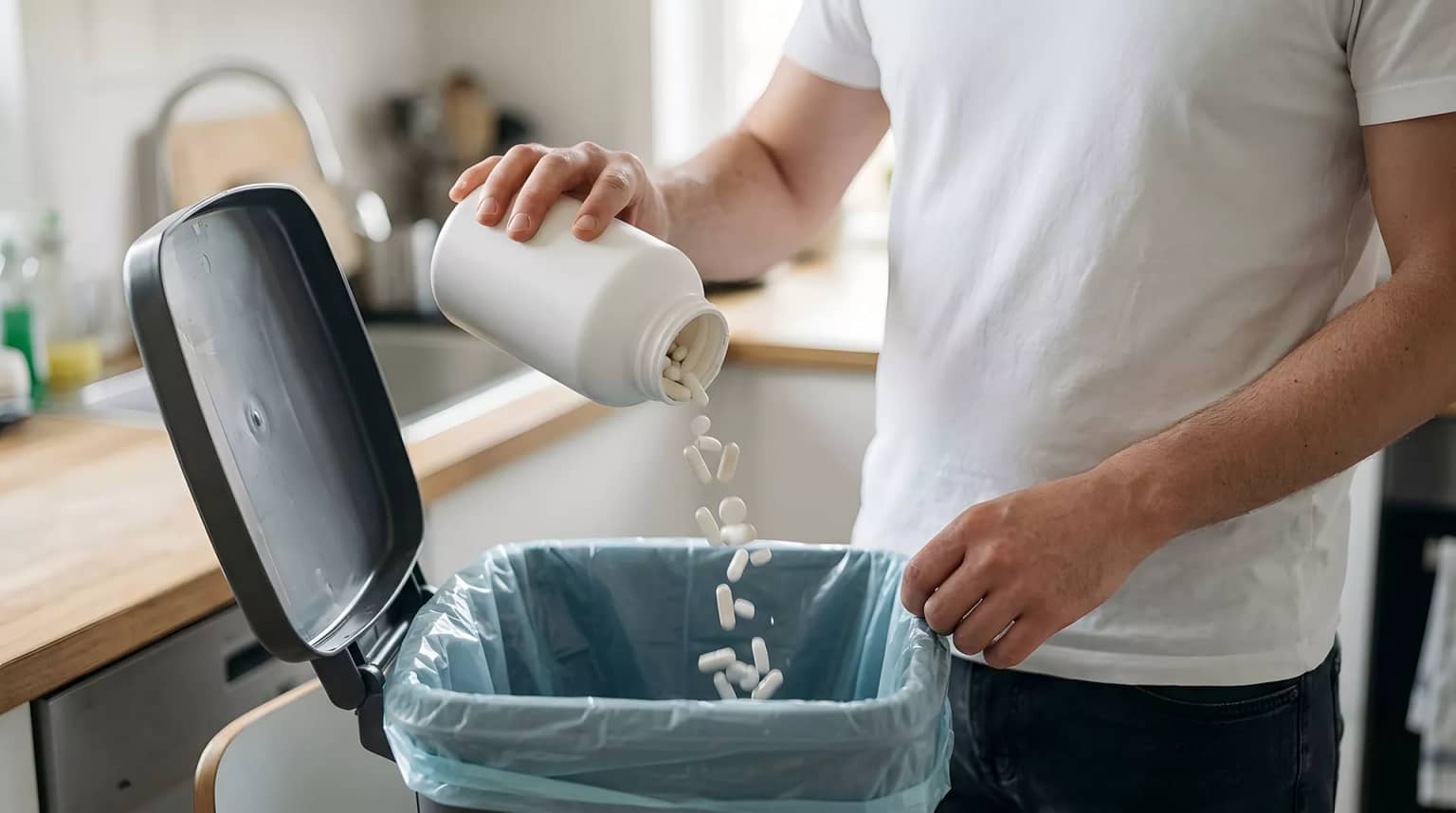
Learn how to safely dispose of unused or expired medications to protect your household and local waterways.
Learn More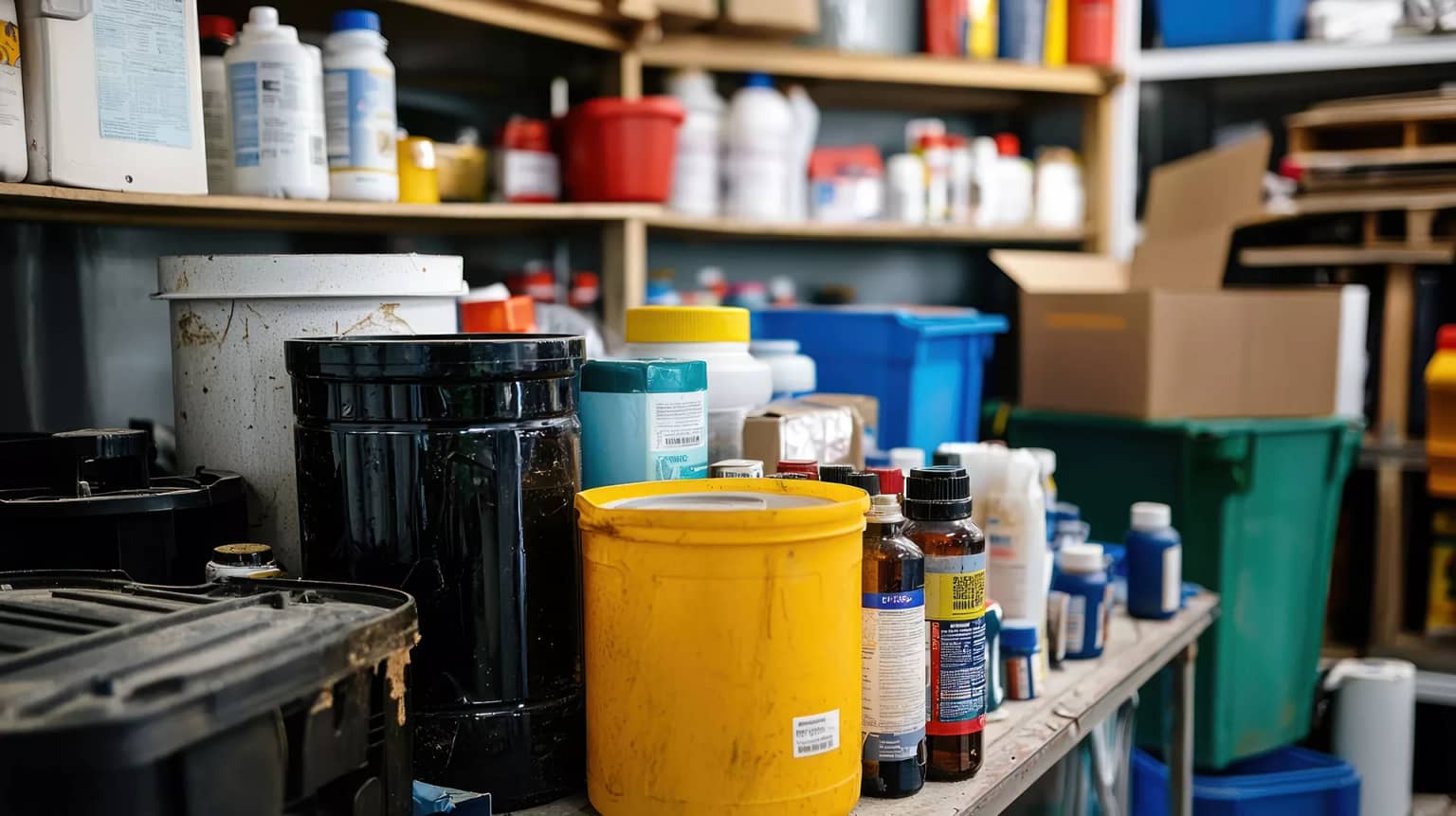
Find safer ways to dispose of chemicals, cleaners, paint and other household hazardous waste in Hampton Roads.
Learn More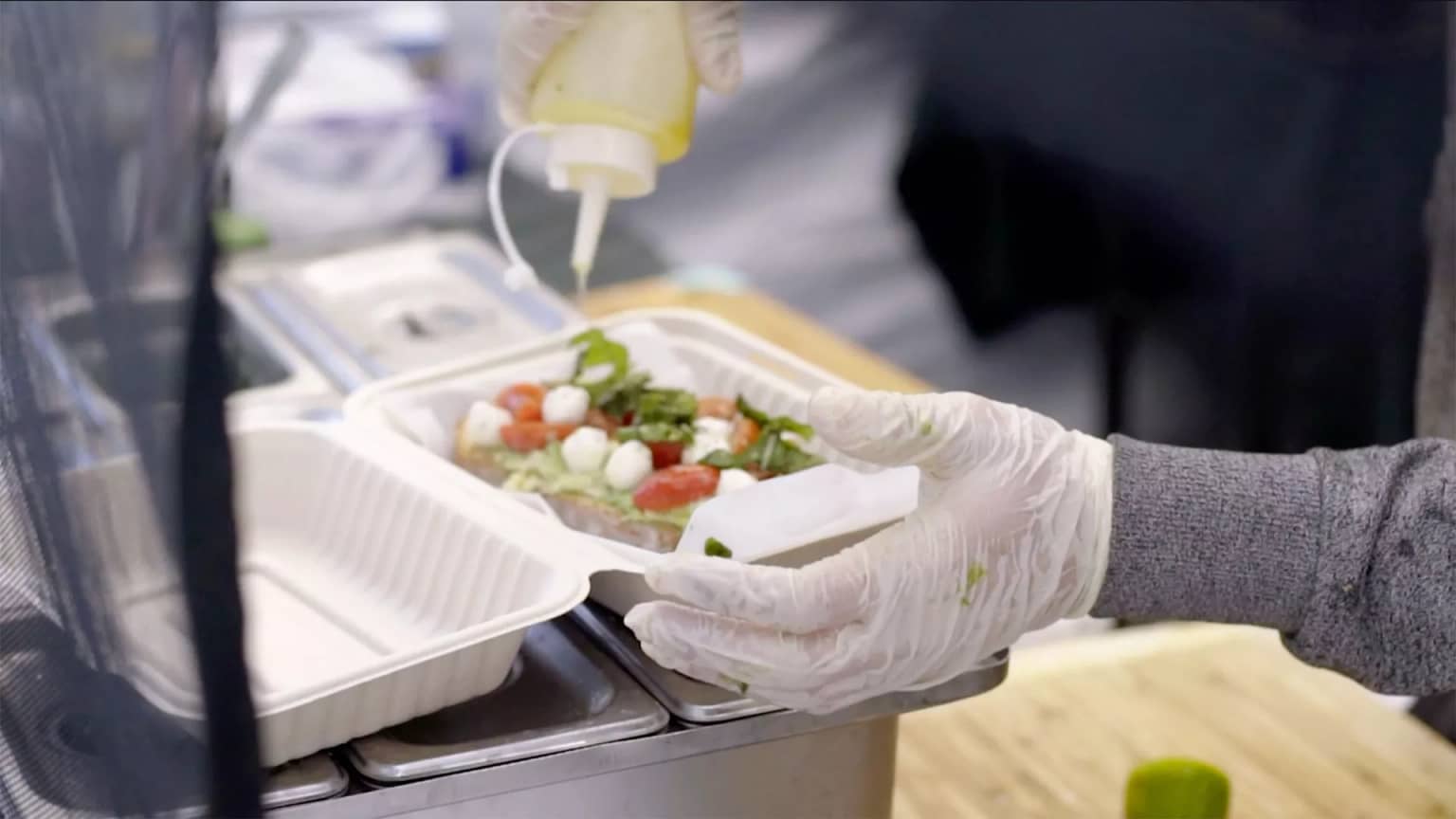
Learn why EPS foam is being phased out in Virginia and how businesses and residents can choose better food packaging options.
Learn More