Storm Drains
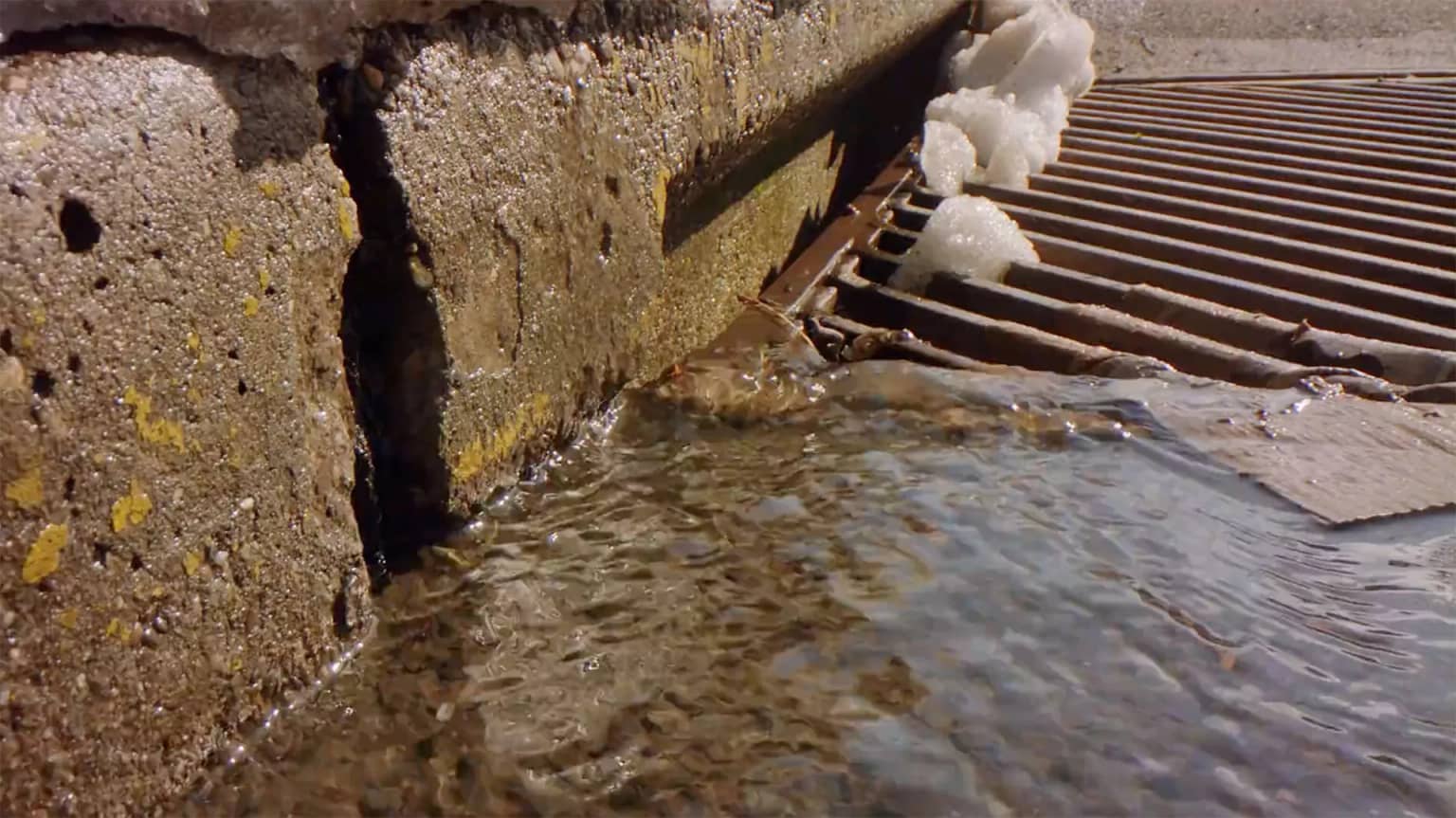
Learn where storm drains lead and how everyday actions can help keep pollution out of local waterways.
Learn More
;%20}%20%3c/style%3e%3c/defs%3e%3cg%20id='c'%20data-name='Layer%201'%3e%3cpath%20class='d'%20d='M1308,389.62c0-130.65-108.28-246.14-274.2-316.6-13.54-5.83-27.31-11.2-41.54-16.33-4.43-1.63-9.1-3.03-13.77-4.67-13.3-4.67-26.84-8.87-40.61-12.83-8.87-2.57-17.73-4.9-26.84-7.23-4.43-1.17-9.1-2.1-13.77-3.27C821.67,10.5,739.76,0,653.18,0,292.4-.23,0,173.81,0,388.45c0,118.52,89.38,224.67,229.86,296.06,113.88,57.86,261.6,92.86,422.85,92.86,75.38,0,147.49-7.7,214.93-21.7,0,0,.7,0,1.87-.47,2.1-.47,4.2-.93,6.3-1.4,2.8-.47,6.07-.7,9.8-.7,11.43,0,27.3,3.5,44.57,15.86,46.91,40.36,107.12,66.03,173.15,66.03,15.64,0,23.8-1.87,31.5-3.03-52.97-14.46-105.01-65.79-58.34-145.82,141.42-71.39,231.5-177.78,231.5-296.76v.23Z'/%3e%3c/g%3e%3c/svg%3e)

Routine maintenance can help prevent leaks, spills and other issues before they become bigger problems for your car or the environment.
Vehicle maintenance tips:

Vehicle fluids should never be washed into the street, driveway or storm drain. Use dry cleanup methods whenever possible to keep pollutants contained.
Cleanup tips:
Used oil, coolant, vehicle fluids and batteries should be handled through proper disposal programs. Do not pour used coolant down household drains because it contains chemicals that may cause problems for wastewater treatment plants.
Take used oil, fluids and batteries to an auto parts store or household hazardous waste collection facility for proper disposal.

When it’s time for a new vehicle, give your old one a second life through donation. Donate your car, truck, or motorcycle to a charitable organization such as Virginia Wheels for Wishes, Goodwill or the Purple Heart Foundation. Most organizations also accept boats, campers and RVs.
Donating a vehicle can extend its usefulness while supporting a good cause and reducing waste.
Learn where storm drains lead and how everyday actions can help keep pollution out of local waterways.
Learn More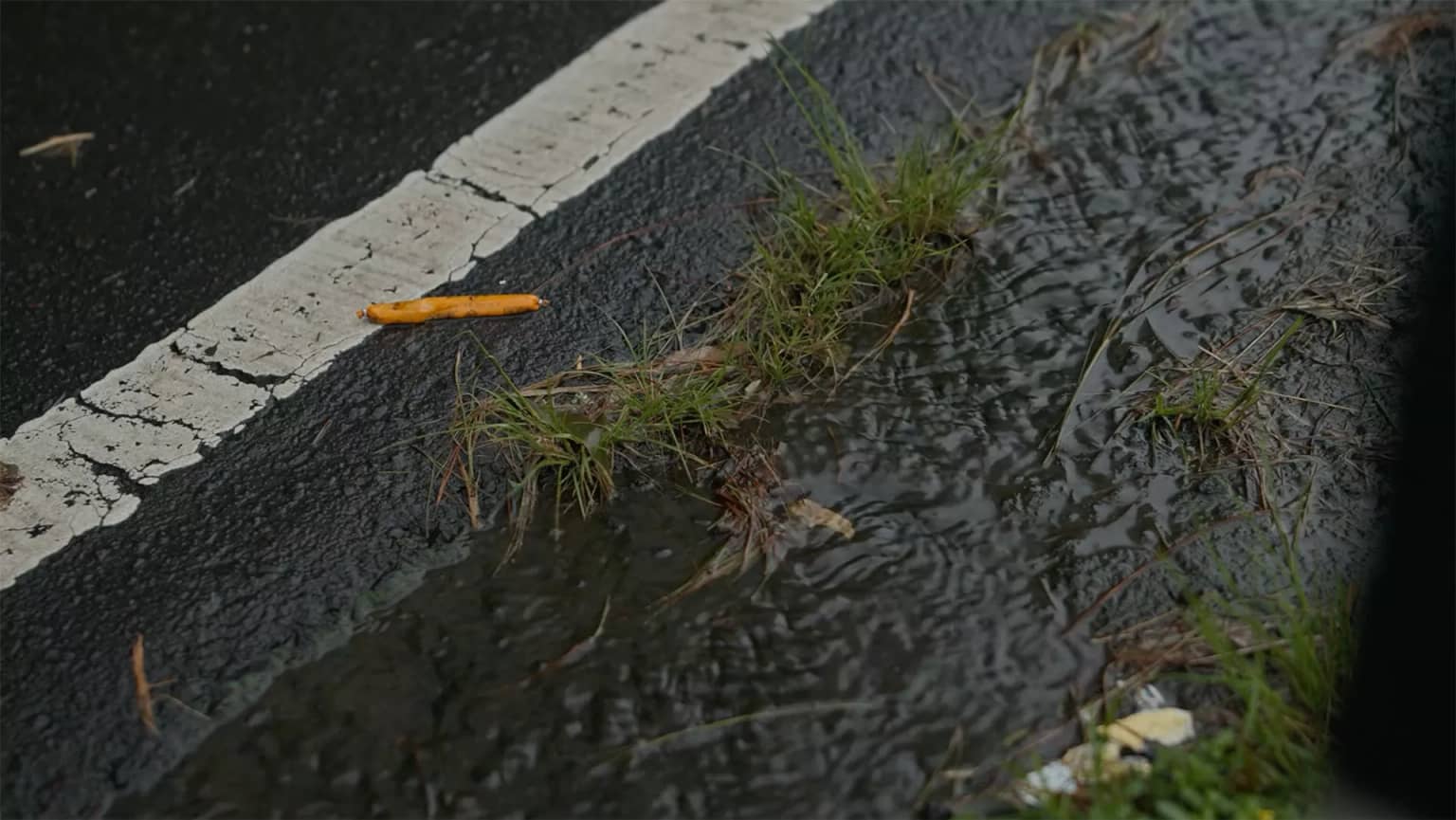
Learn how to keep leaves, litter, chemicals and other pollutants out of storm drains and local waterways.
Learn More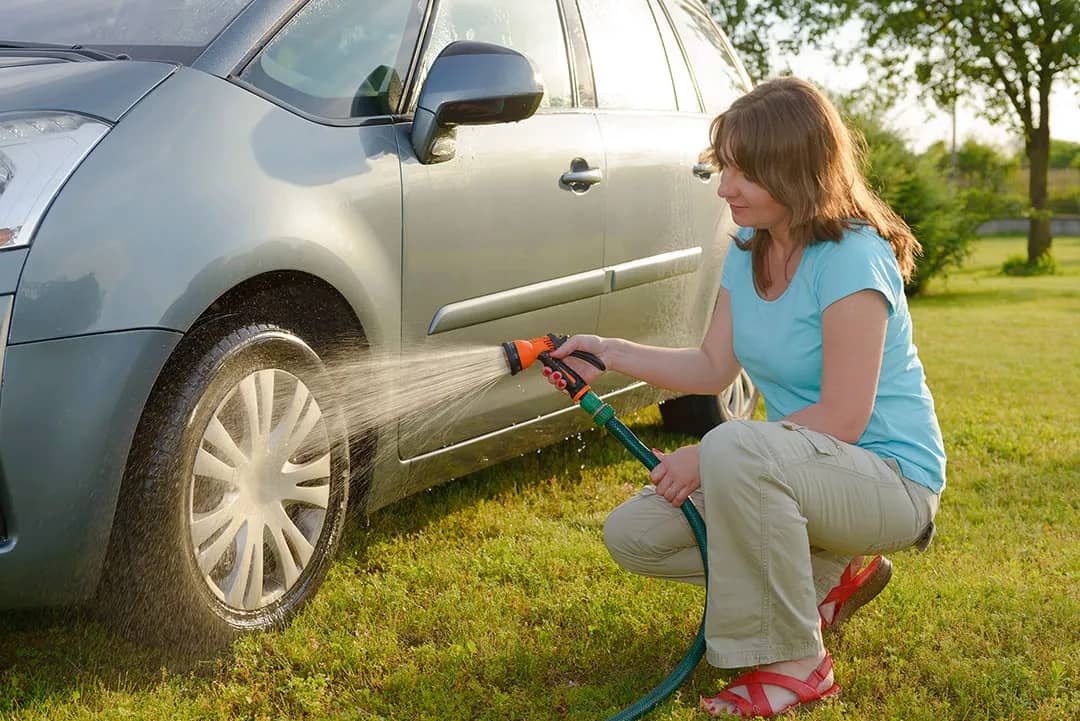
Learn how washing your car the right way can reduce runoff pollution and help protect local storm drains and waterways.
Learn More
Learn simple ways to save water indoors and outdoors while supporting reliable water resources across Hampton Roads.
Learn More