Native Plants
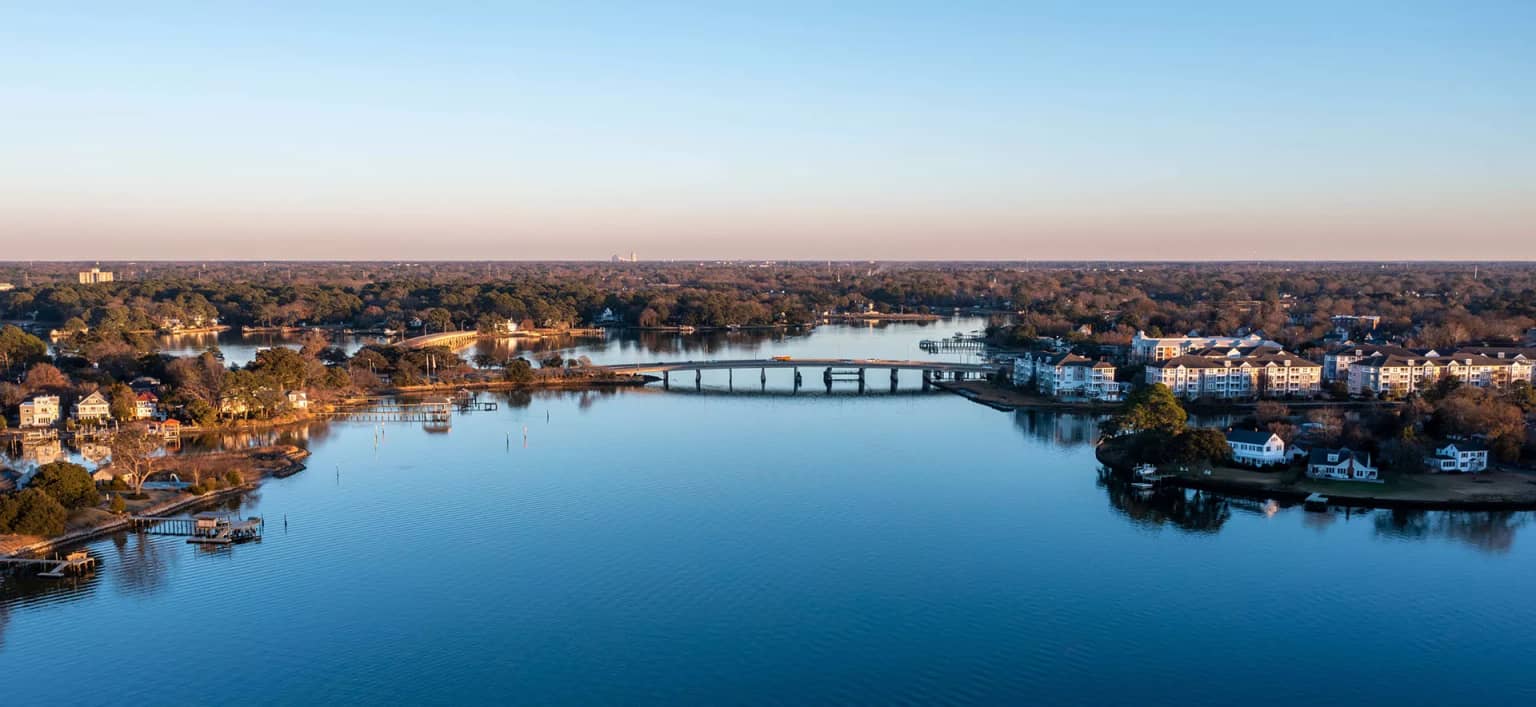
Explore how native plants support wildlife, conserve water and create healthier outdoor spaces in Hampton Roads.
Learn More
;%20}%20%3c/style%3e%3c/defs%3e%3cg%20id='c'%20data-name='Layer%201'%3e%3cpath%20class='d'%20d='M1308,389.62c0-130.65-108.28-246.14-274.2-316.6-13.54-5.83-27.31-11.2-41.54-16.33-4.43-1.63-9.1-3.03-13.77-4.67-13.3-4.67-26.84-8.87-40.61-12.83-8.87-2.57-17.73-4.9-26.84-7.23-4.43-1.17-9.1-2.1-13.77-3.27C821.67,10.5,739.76,0,653.18,0,292.4-.23,0,173.81,0,388.45c0,118.52,89.38,224.67,229.86,296.06,113.88,57.86,261.6,92.86,422.85,92.86,75.38,0,147.49-7.7,214.93-21.7,0,0,.7,0,1.87-.47,2.1-.47,4.2-.93,6.3-1.4,2.8-.47,6.07-.7,9.8-.7,11.43,0,27.3,3.5,44.57,15.86,46.91,40.36,107.12,66.03,173.15,66.03,15.64,0,23.8-1.87,31.5-3.03-52.97-14.46-105.01-65.79-58.34-145.82,141.42-71.39,231.5-177.78,231.5-296.76v.23Z'/%3e%3c/g%3e%3c/svg%3e)

Rain gardens use native plants, grasses and trees to collect and filter rainwater before it reaches storm drains, rivers and streams. They help mimic nature by allowing water to soak into the ground rather than rushing across paved surfaces.
Benefits of rain gardens:
The most successful rain gardens are designed with the right location and plants in mind.

Keep these tips in mind:
Rain gardens should drain within a few days after a storm and should not remain constantly wet.

Every rain garden helps keep polluted runoff out of local waterways. By slowing down and filtering stormwater, these gardens reduce the amount of sediment, nutrients and other pollutants that can reach rivers, streams, and the Chesapeake Bay.
Even a small rain garden can make a big difference for water quality, wildlife habitat and the health of our communities.
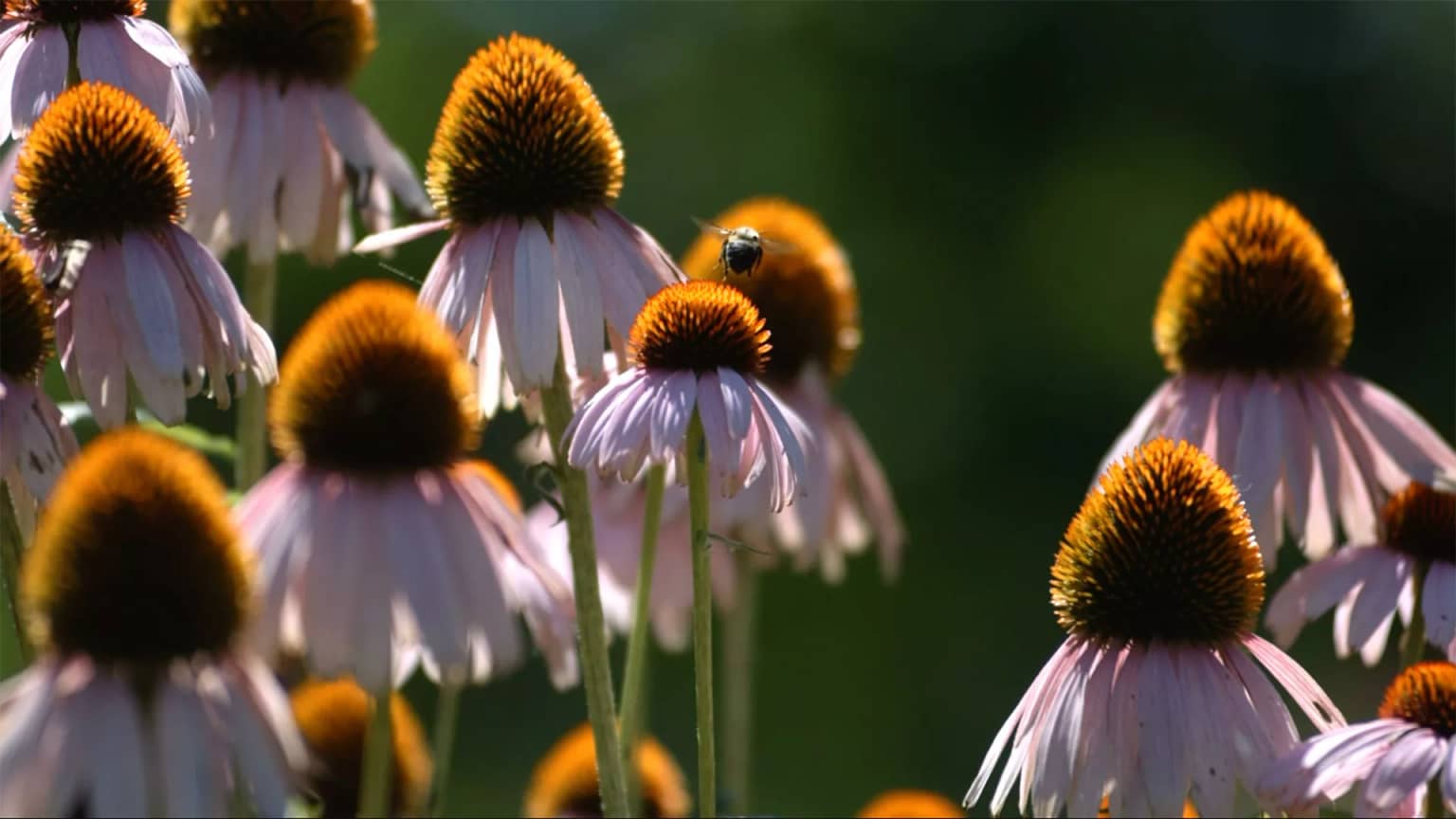
Explore how native plants support wildlife, conserve water and create healthier outdoor spaces in Hampton Roads.
Learn More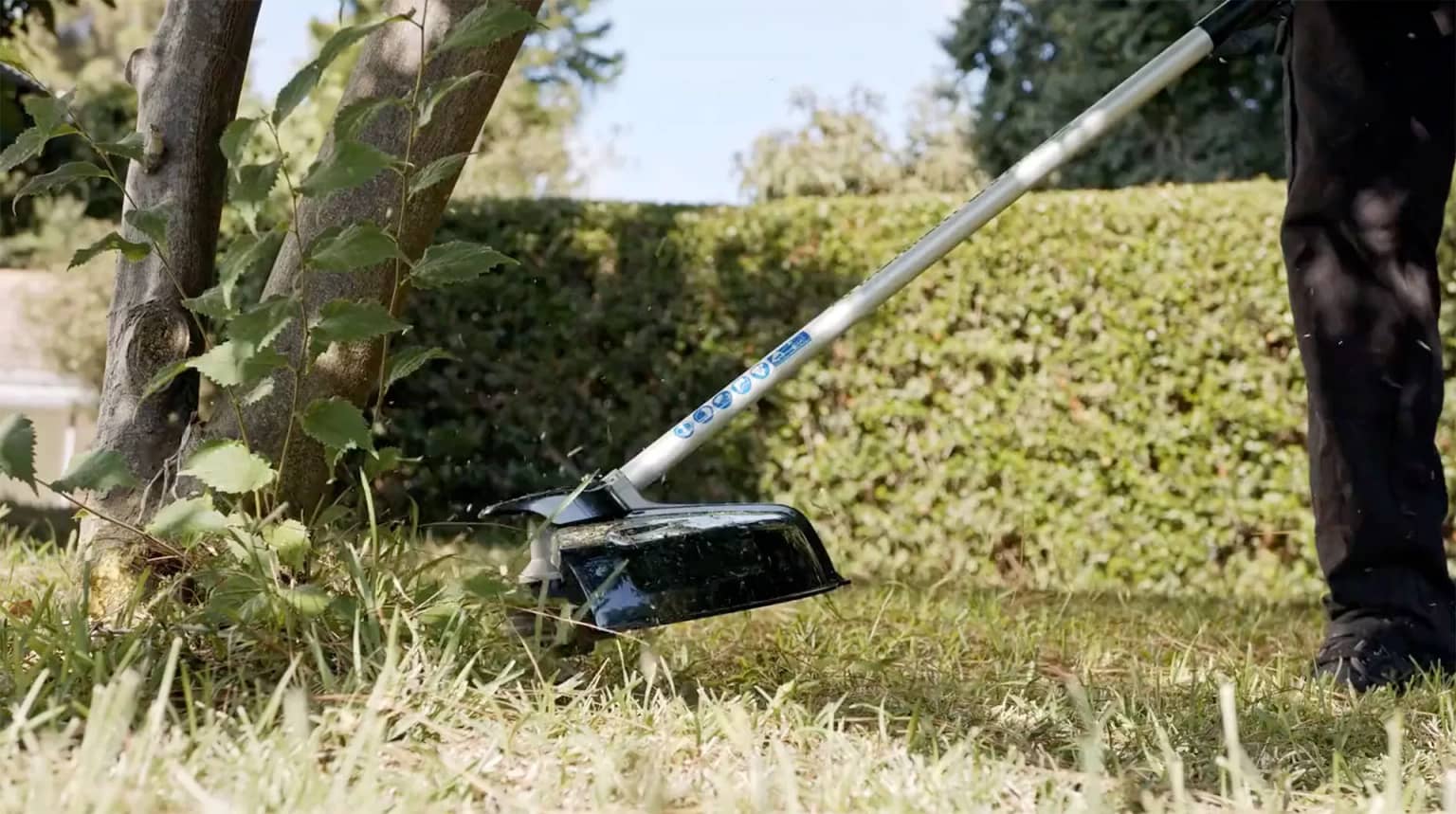
Learn simple lawn care practices that support healthy grass, reduce runoff and help protect local waterways.
Learn More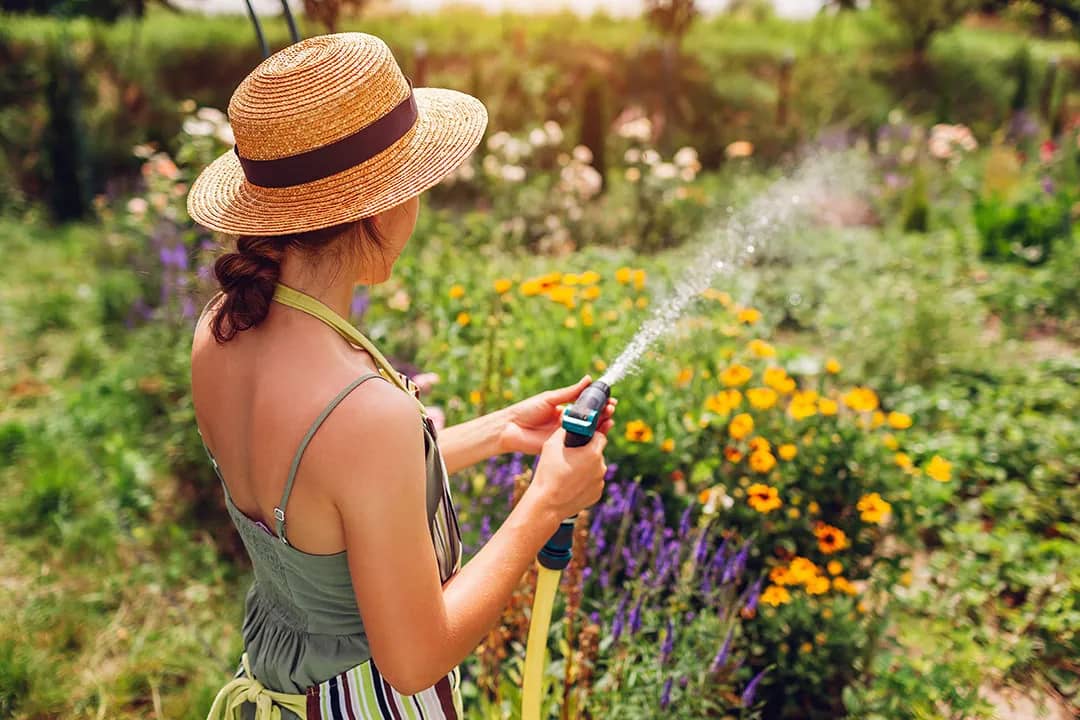
Learn simple ways to save water indoors and outdoors while supporting reliable water resources across Hampton Roads.
Learn More
Learn how to keep leaves, litter, chemicals and other pollutants out of storm drains and local waterways.
Learn More