Soil Testing
Find out how soil testing can help you choose the right lawn and garden care while reducing unnecessary fertilizer use.
Learn More
;%20}%20%3c/style%3e%3c/defs%3e%3cg%20id='c'%20data-name='Layer%201'%3e%3cpath%20class='d'%20d='M1308,389.62c0-130.65-108.28-246.14-274.2-316.6-13.54-5.83-27.31-11.2-41.54-16.33-4.43-1.63-9.1-3.03-13.77-4.67-13.3-4.67-26.84-8.87-40.61-12.83-8.87-2.57-17.73-4.9-26.84-7.23-4.43-1.17-9.1-2.1-13.77-3.27C821.67,10.5,739.76,0,653.18,0,292.4-.23,0,173.81,0,388.45c0,118.52,89.38,224.67,229.86,296.06,113.88,57.86,261.6,92.86,422.85,92.86,75.38,0,147.49-7.7,214.93-21.7,0,0,.7,0,1.87-.47,2.1-.47,4.2-.93,6.3-1.4,2.8-.47,6.07-.7,9.8-.7,11.43,0,27.3,3.5,44.57,15.86,46.91,40.36,107.12,66.03,173.15,66.03,15.64,0,23.8-1.87,31.5-3.03-52.97-14.46-105.01-65.79-58.34-145.82,141.42-71.39,231.5-177.78,231.5-296.76v.23Z'/%3e%3c/g%3e%3c/svg%3e)
Benefits of asking the right questions:
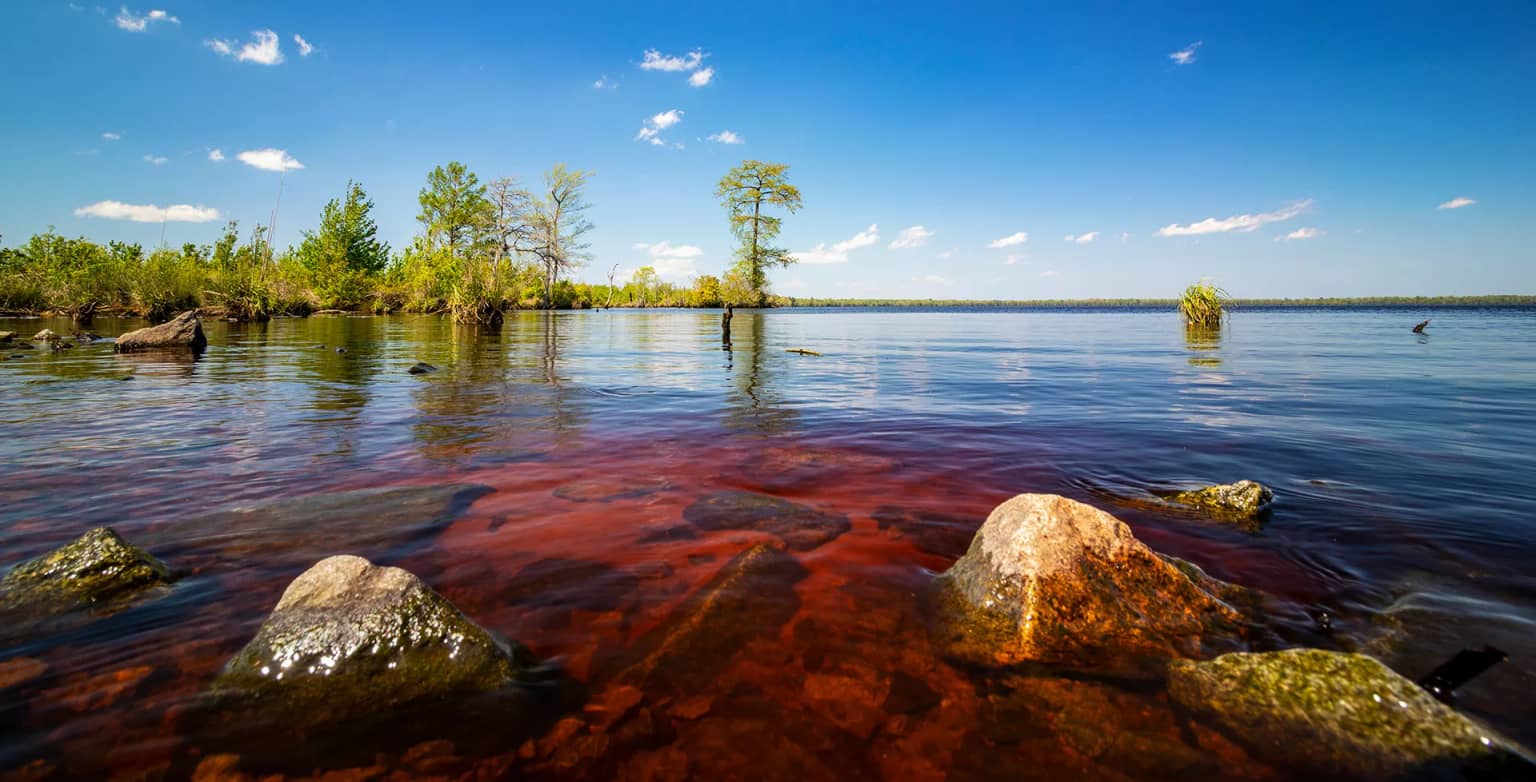
Ideally, your lawn care provider should apply at least 50% slow release fertilizer. Organic fertilizers, such as compost and kelp (seaweed), are preferred. There are two problems with fast-release, chemical synthetic fertilizers. First, when they release their nutrients quickly, they create excessive grass-blade growth at the expense of root development. This unbalanced growth weakens your lawn. Second, quick-release fertilizers leach away without being used by grass plants, especially in sandy soils. Unused nutrients then wash into the river, contributing to harmful algae blooms.
Your lawn care provider should give you a description of how they calculate the amount needed based on your yard’s acreage and fertilizer application rates. If they’re able to this, it increases the chances of your provider not over fertilizing.
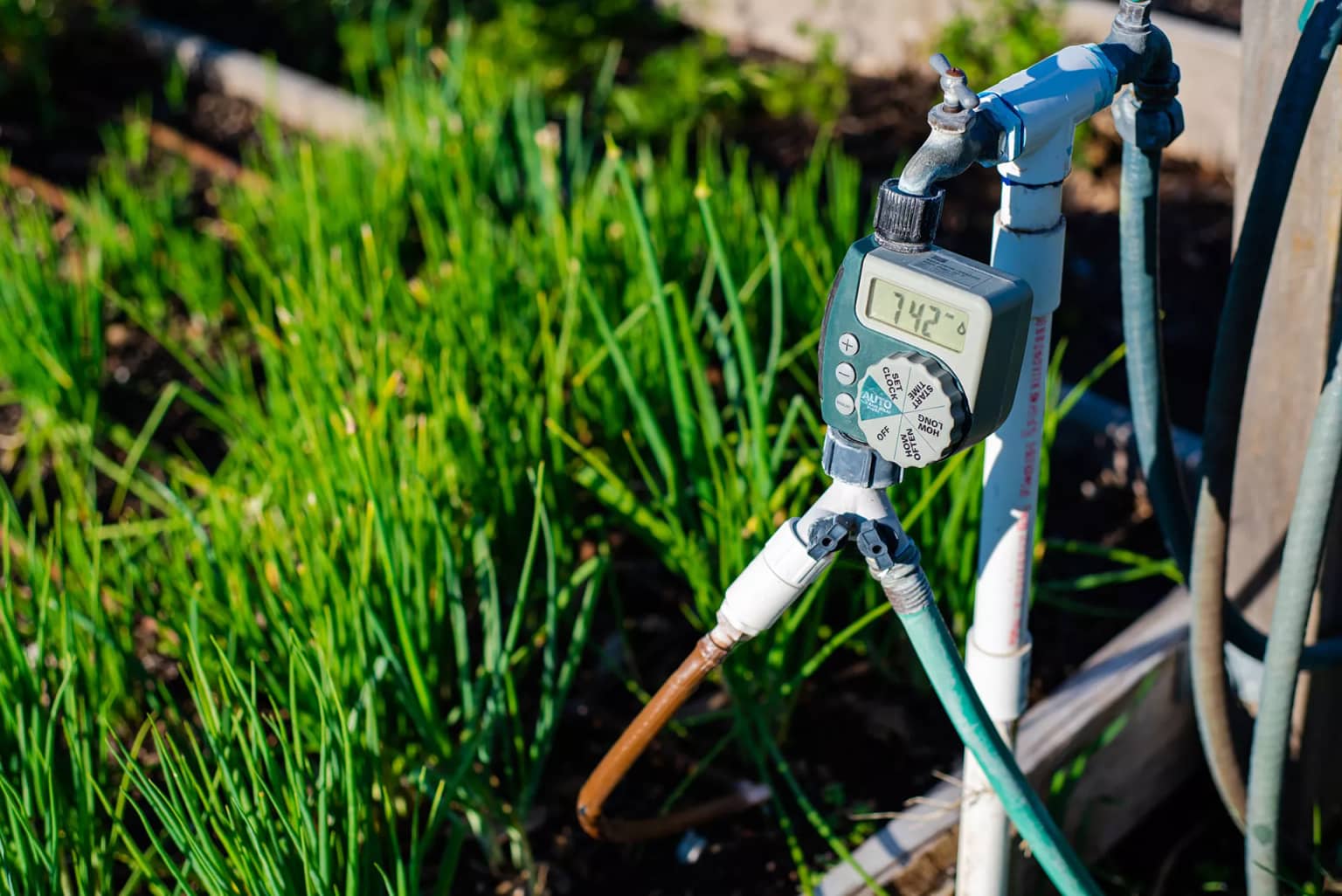
In order to avoid over-fertilizing and over-watering, your lawn care company should first conduct a soil test and diagnose the needs of your specific lawn before discussing a plan.
If your company can’t tell you, this should be a clue that they may not be adjusting seeding, fertilizing and watering schedules to meet the specific needs of your lawn care.
They should leave grass clippings on the lawn to compost as natural fertilizer. Ideally, the company should also use an electric mower. Gas mowers are a surprisingly large source of air pollution, which contributes to water pollution. It’s also important that they keep mower blades sharp and cut grass no shorter than two inches.
It’s best to tolerate beneficial “weeds” such as clover. Clover is not just beautiful, it restores nutrients. If 5 percent of your lawn is clover, it may be enough for you to avoid adding fertilizers.
Ideally, the company should offer to sign a contract guaranteeing that chemical pesticides will not be used on your property. Toxic chemicals could cause harm to your children and pets in addition to our local waterways.
Grass clippings should be mulch mowed and left in your yard. Depending on how many leaves your yard has, mulch mowing may also be the best option. Mulch mowing leaves and grass clippings acts as natural fertilizer for your soil and helps soil retain moisture. Another option is to follow your municipality’s yard debris removal program whether that’s bagging yard debris or leaving it in piles by the curb, but away from storm drains. Be sure you’re aware of your locality’s rules so that you can educate your lawn provider if need be. Yard debris including leaves, grass clippings and pine straw should never be raked or blown into the street, ditches or storm drains.
There are two programs which Hampton Roads lawn care companies can participate in that show a commitment to improving local water quality. First, the company may have a Green & Clean Initiative certification with the Virginia Department of Conservation and Recreation’s Nutrient Management Program. Companies with this certification have pledged to voluntarily implement responsible lawn care practices. Landscapers may also be certified through the Chesapeake Bay Landscape Professionals program. This voluntary credential ensures that landscape professionals have been properly educated in the design, installation and maintenance of sustainable landscaping techniques, such as rain gardens, for the Chesapeake Bay Watershed.If your provider does not participate in these programs, please encourage them to do so.
Find out how soil testing can help you choose the right lawn and garden care while reducing unnecessary fertilizer use.
Learn More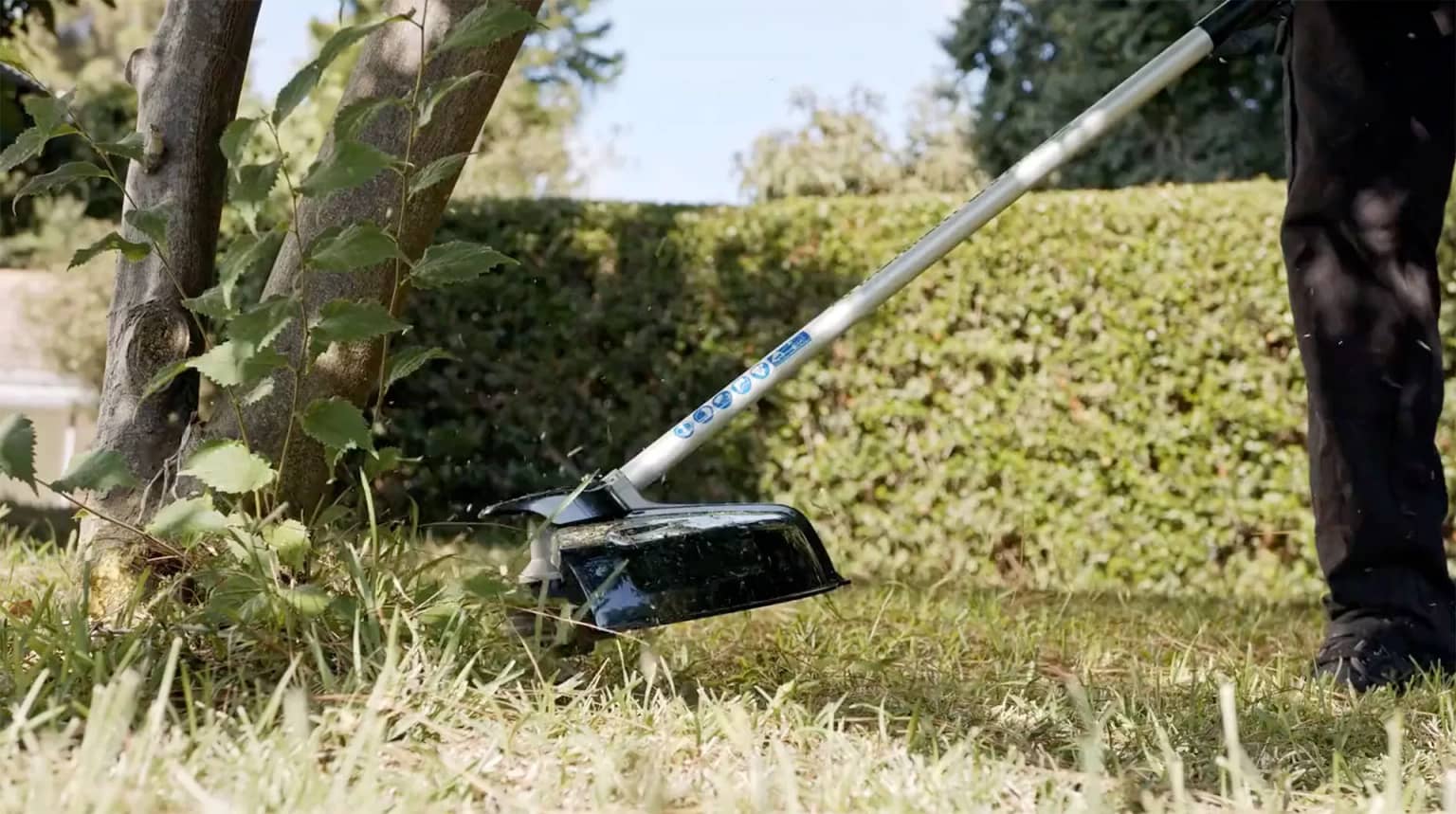
Learn simple lawn care practices that support healthy grass, reduce runoff and help protect local waterways.
Learn More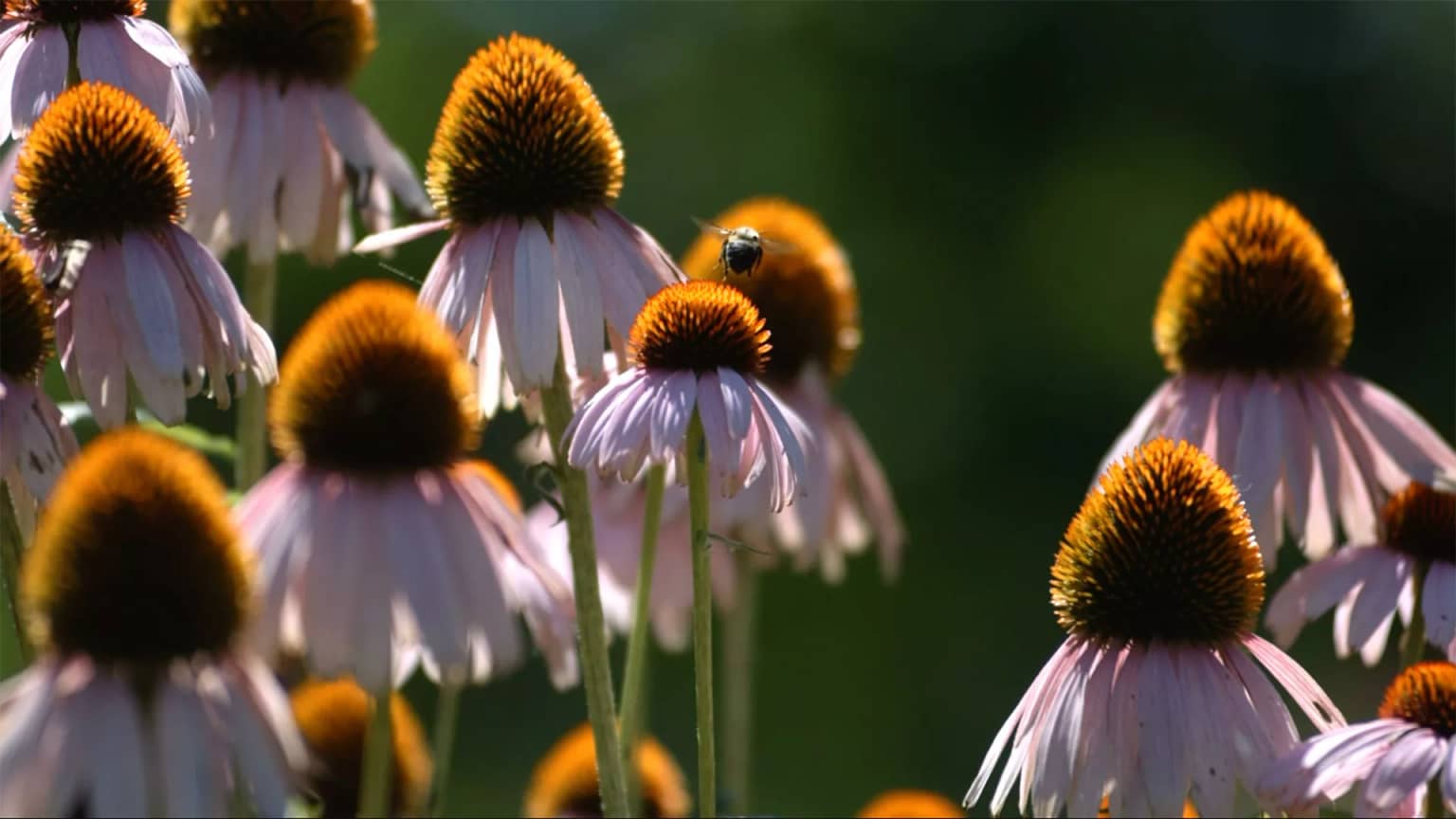
Explore how native plants support wildlife, conserve water and create healthier outdoor spaces in Hampton Roads.
Learn More