Recycling
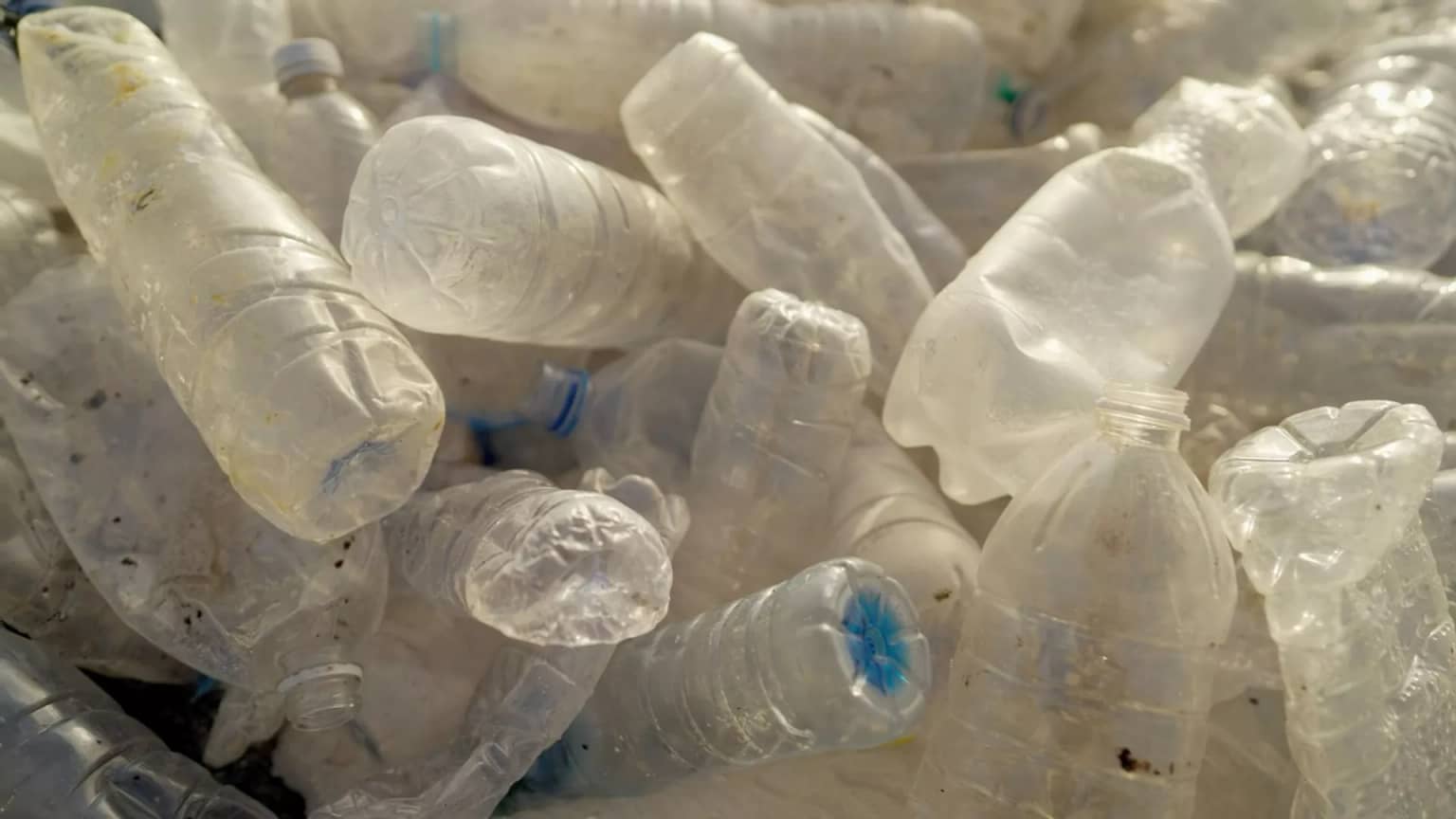
Get practical recycling tips and use the recycling & disposal tool to find out what should be recycled, belongs in the trash or requires special disposal in your community.
Learn More
;%20}%20%3c/style%3e%3c/defs%3e%3cg%20id='c'%20data-name='Layer%201'%3e%3cpath%20class='d'%20d='M1308,389.62c0-130.65-108.28-246.14-274.2-316.6-13.54-5.83-27.31-11.2-41.54-16.33-4.43-1.63-9.1-3.03-13.77-4.67-13.3-4.67-26.84-8.87-40.61-12.83-8.87-2.57-17.73-4.9-26.84-7.23-4.43-1.17-9.1-2.1-13.77-3.27C821.67,10.5,739.76,0,653.18,0,292.4-.23,0,173.81,0,388.45c0,118.52,89.38,224.67,229.86,296.06,113.88,57.86,261.6,92.86,422.85,92.86,75.38,0,147.49-7.7,214.93-21.7,0,0,.7,0,1.87-.47,2.1-.47,4.2-.93,6.3-1.4,2.8-.47,6.07-.7,9.8-.7,11.43,0,27.3,3.5,44.57,15.86,46.91,40.36,107.12,66.03,173.15,66.03,15.64,0,23.8-1.87,31.5-3.03-52.97-14.46-105.01-65.79-58.34-145.82,141.42-71.39,231.5-177.78,231.5-296.76v.23Z'/%3e%3c/g%3e%3c/svg%3e)
Single-use plastic is designed to be used once and then thrown away. Items like plastic bags, straws, coffee stirrers, plastic utensils, plastic wrap, water bottles, food packaging and foam takeout containers can add up quickly in our daily routines.Because many single-use plastics are difficult to recycle and can easily become litter, reducing what we use is one of the simplest ways to help protect Hampton Roads communities, waterways and wildlife.
300M tons of plastic produced globally each year

Plastic waste does not just disappear after it is thrown away. It can end up in streets, storm drains, rivers, beaches and the Chesapeake Bay, where it may break into smaller pieces and harm wildlife.
Choosing to refuse single-use plastic when a reusable or lower-waste option is available helps reduce the amount of plastic entering the waste stream and local waterways.

You may not be able to avoid every single-use item, but noticing where they show up is the first step toward using less.Reducing single-use plastic does not have to mean changing everything at once. Start with one or two swaps that fit your routine, then build from there.
Try Choosing:

The best single-use plastic is the one you do not need in the first place. Before accepting a disposable item, ask yourself whether you can skip it, reuse something you already have or choose a better alternative.
Small everyday habits like carrying a reusable bag, refilling a water bottle, skipping unnecessary utensils and choosing less packaging can help keep plastic out of Hampton Roads communities and waterways.
Get practical recycling tips and use the recycling & disposal tool to find out what should be recycled, belongs in the trash or requires special disposal in your community.
Learn More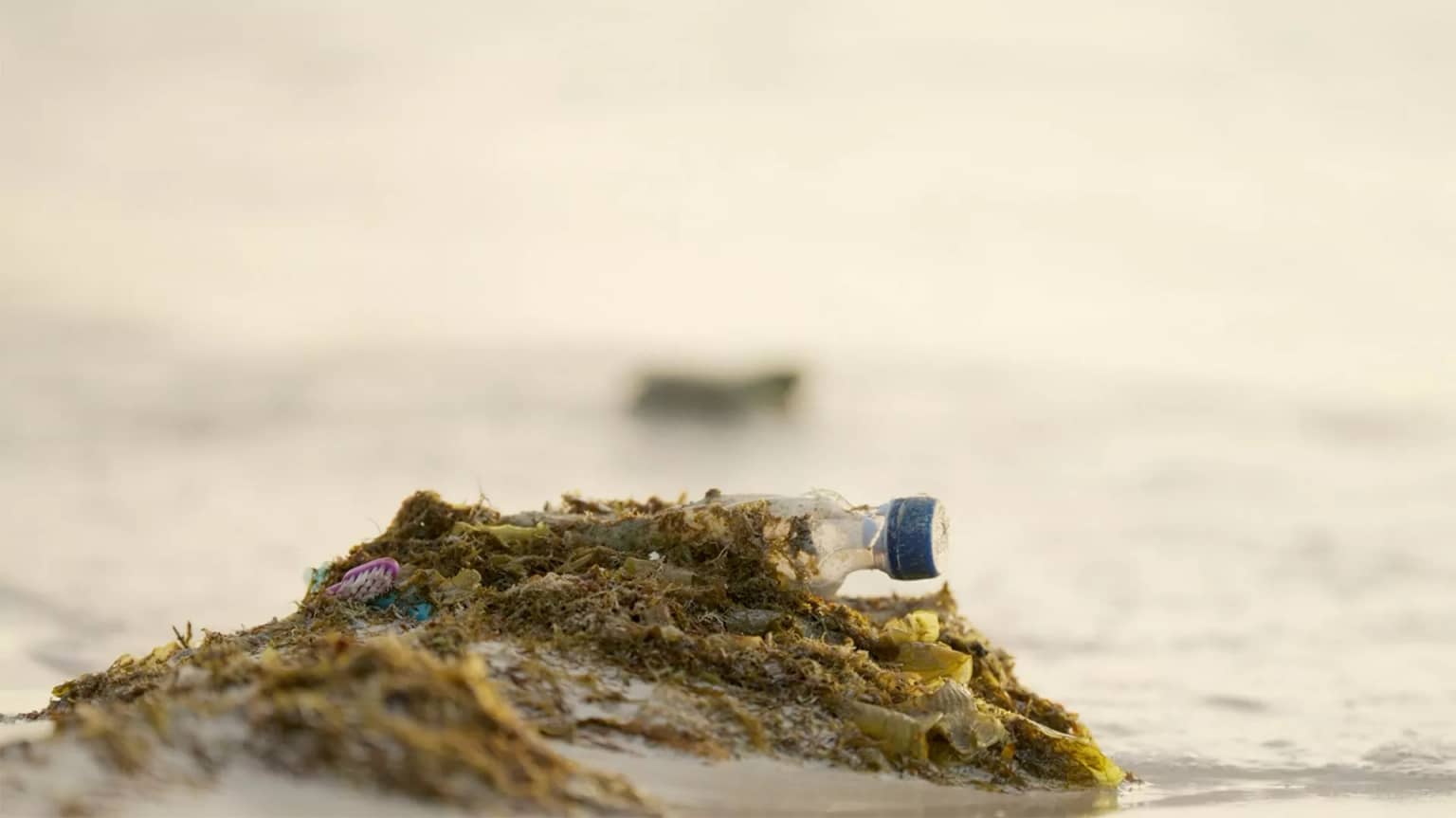
Learn simple ways to prevent litter, protect local waterways and help keep Hampton Roads clean and beautiful.
Learn More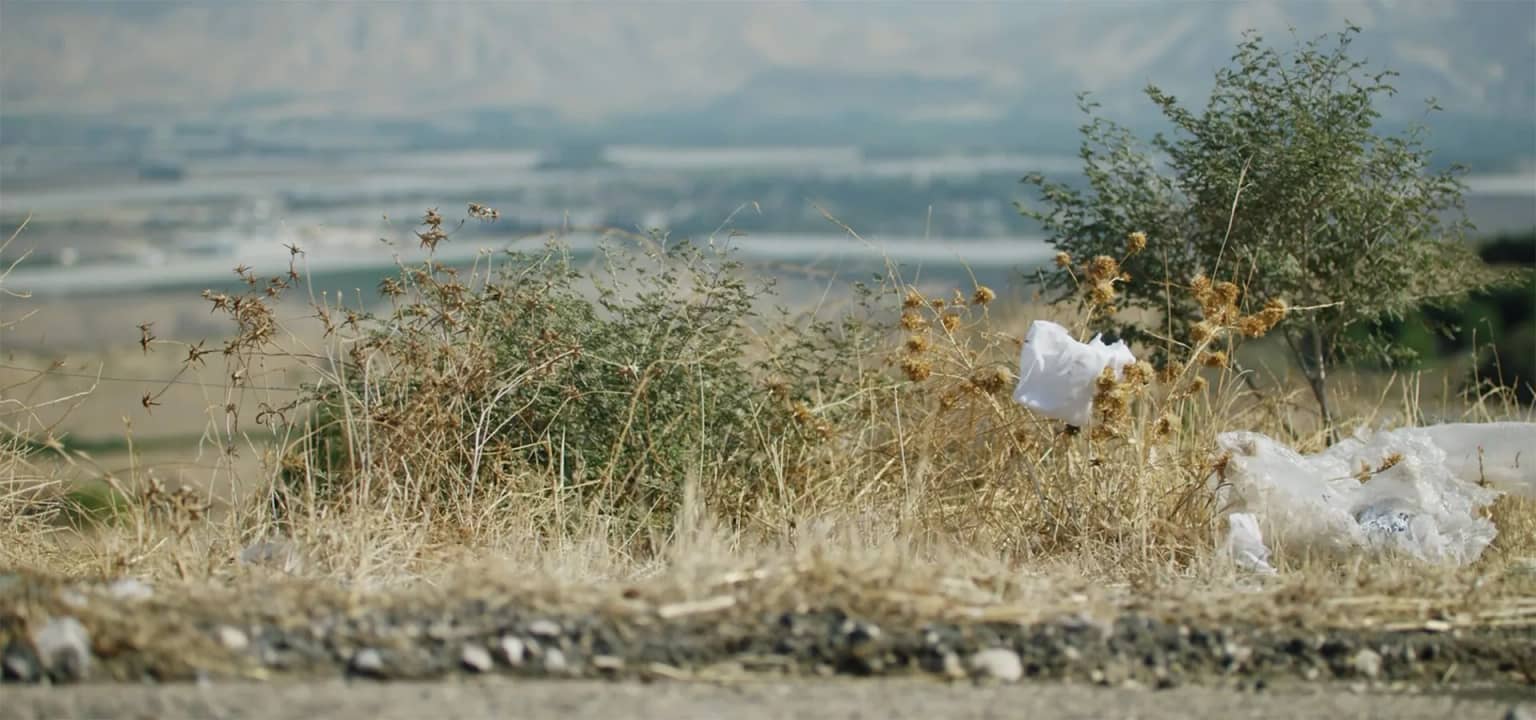
Find tips for reducing plastic bag waste, recycling bags properly and choosing reusable options whenever possible.
Learn More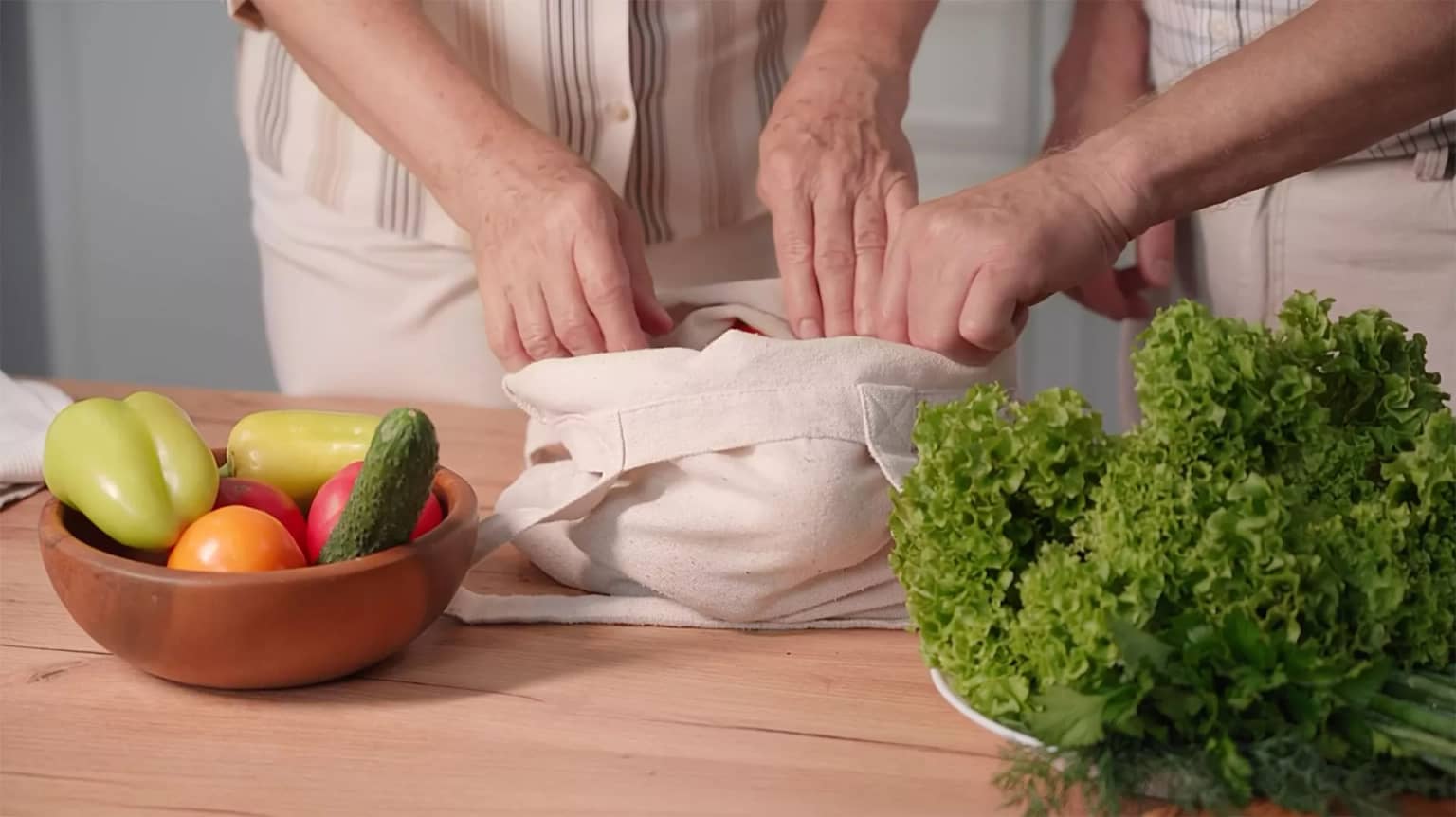
Learn how reusable shopping bags can help reduce plastic waste, prevent litter and keep Hampton Roads communities cleaner.
Learn More