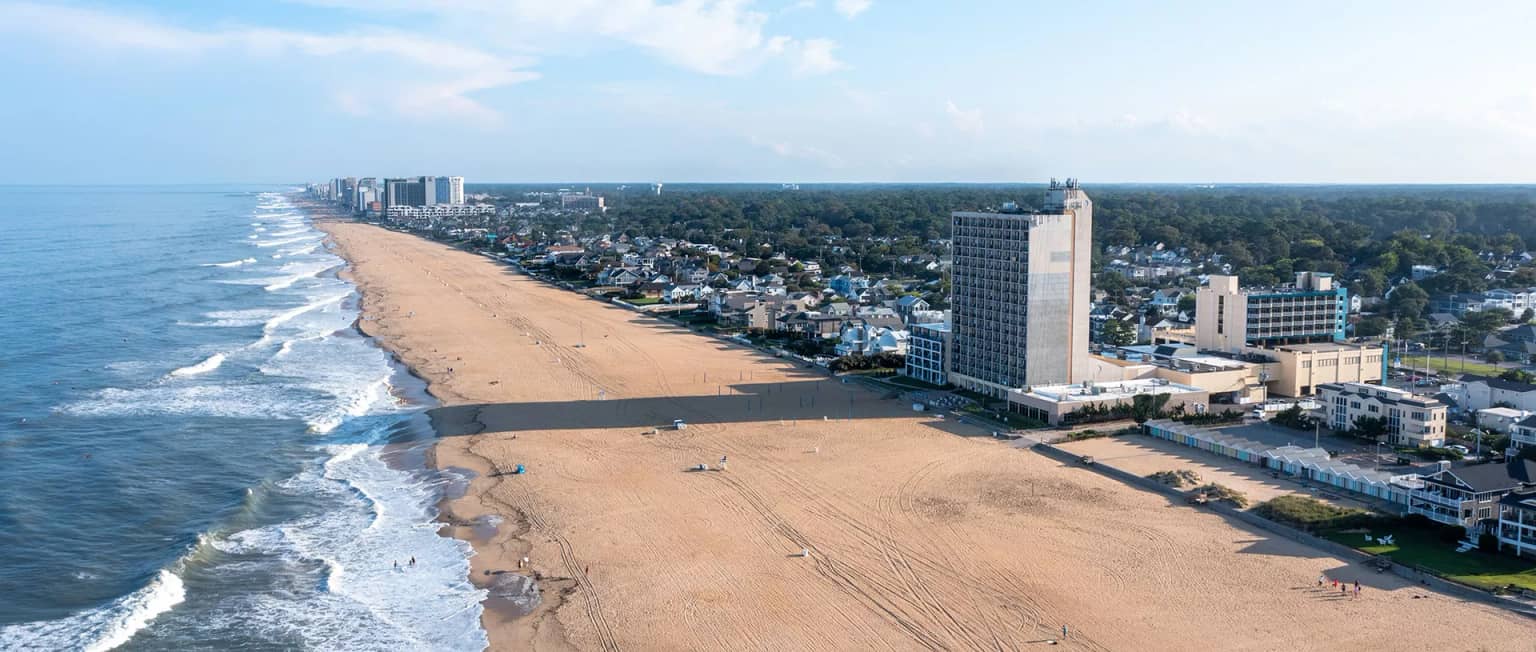
Living On The Water
Find tips for living along the water in ways that protect shorelines, reduce runoff and support healthier waterways.
Learn More
;%20}%20%3c/style%3e%3c/defs%3e%3cg%20id='c'%20data-name='Layer%201'%3e%3cpath%20class='d'%20d='M1308,389.62c0-130.65-108.28-246.14-274.2-316.6-13.54-5.83-27.31-11.2-41.54-16.33-4.43-1.63-9.1-3.03-13.77-4.67-13.3-4.67-26.84-8.87-40.61-12.83-8.87-2.57-17.73-4.9-26.84-7.23-4.43-1.17-9.1-2.1-13.77-3.27C821.67,10.5,739.76,0,653.18,0,292.4-.23,0,173.81,0,388.45c0,118.52,89.38,224.67,229.86,296.06,113.88,57.86,261.6,92.86,422.85,92.86,75.38,0,147.49-7.7,214.93-21.7,0,0,.7,0,1.87-.47,2.1-.47,4.2-.93,6.3-1.4,2.8-.47,6.07-.7,9.8-.7,11.43,0,27.3,3.5,44.57,15.86,46.91,40.36,107.12,66.03,173.15,66.03,15.64,0,23.8-1.87,31.5-3.03-52.97-14.46-105.01-65.79-58.34-145.82,141.42-71.39,231.5-177.78,231.5-296.76v.23Z'/%3e%3c/g%3e%3c/svg%3e)
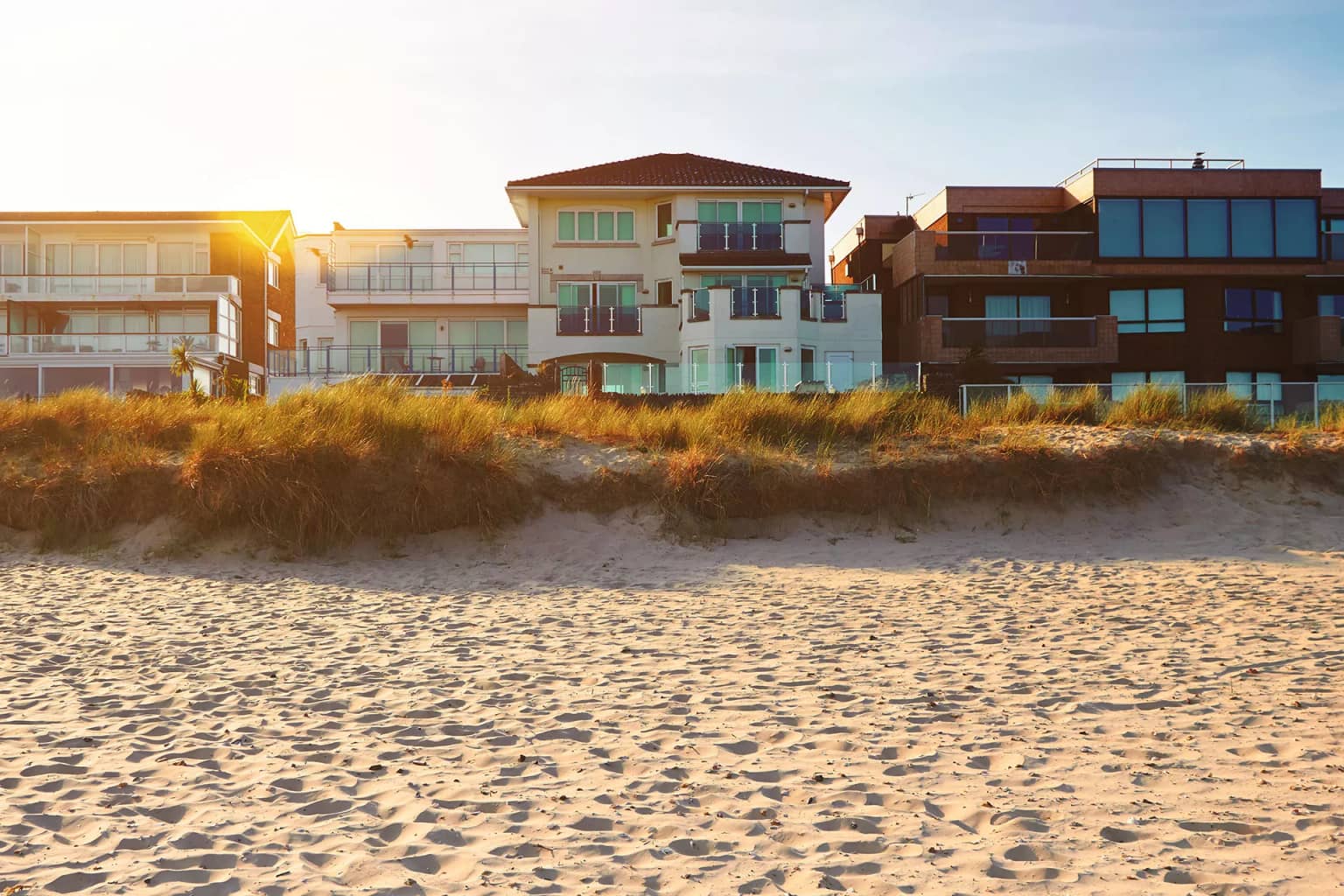
For waterfront properties, a living shoreline can be a more natural way to protect the land and improve water quality while adding beauty along the water’s edge.

Many shorelines have had native plants, grasses and trees replaced with wooden bulkheads, rock walls or other hardened barriers. These artificial barriers can disrupt natural habitat and may not stop erosion over time.
Living shorelines offer a more natural approach by working with the shoreline instead of against it.
Benefits of living shorelines:
Before beginning any shoreline work, consult your local county or city environmental office. Also check with your local Wetlands Board staff. You don’t need a permit to plant if you don’t have to bring in additional fill.
It is also important to understand your site conditions before choosing the right approach. Is your shoreline eroding? Is your water fresh or brackish? Where are high and low tide? These details can help guide your planting plan and determine what may be needed to protect your shoreline.

Select native trees, shrubs and grasses that will thrive in this climate zone and your type of water. Consult this Shoreline Planting List from the Elizabeth River Project to help you choose your plants. Need more help? Contact your local watershed restoration group.
When planning your shoreline, consider the effects of predicted sea level rise, including rising tides and additional flooding, on the location and salt tolerance of long-lived species like trees.

Planting at the right time can help new vegetation establish strong roots before stressful weather conditions.
Trees and shrubs often do best when planted in spring or fall because they need plenty of water when first planted. Depending on weather and site conditions, wetland grasses, flowering perennials and shrubs are often best planted in late winter or early spring, typically late March to early May, so roots can develop before hurricane and nor’easter season. Avoid planting high marsh grasses from mid to late July through August when possible.
Newly planted shoreline vegetation may need protection from hungry ducks and geese while it becomes established. Surrounding new plantings with plastic mesh netting, supported by wooden posts and twine, can help protect plants during early growth.
For additional guidance, review living shoreline resources from trusted regional organizations or contact a local watershed restoration group for help choosing the right approach for your property.
Find tips for living along the water in ways that protect shorelines, reduce runoff and support healthier waterways.
Learn More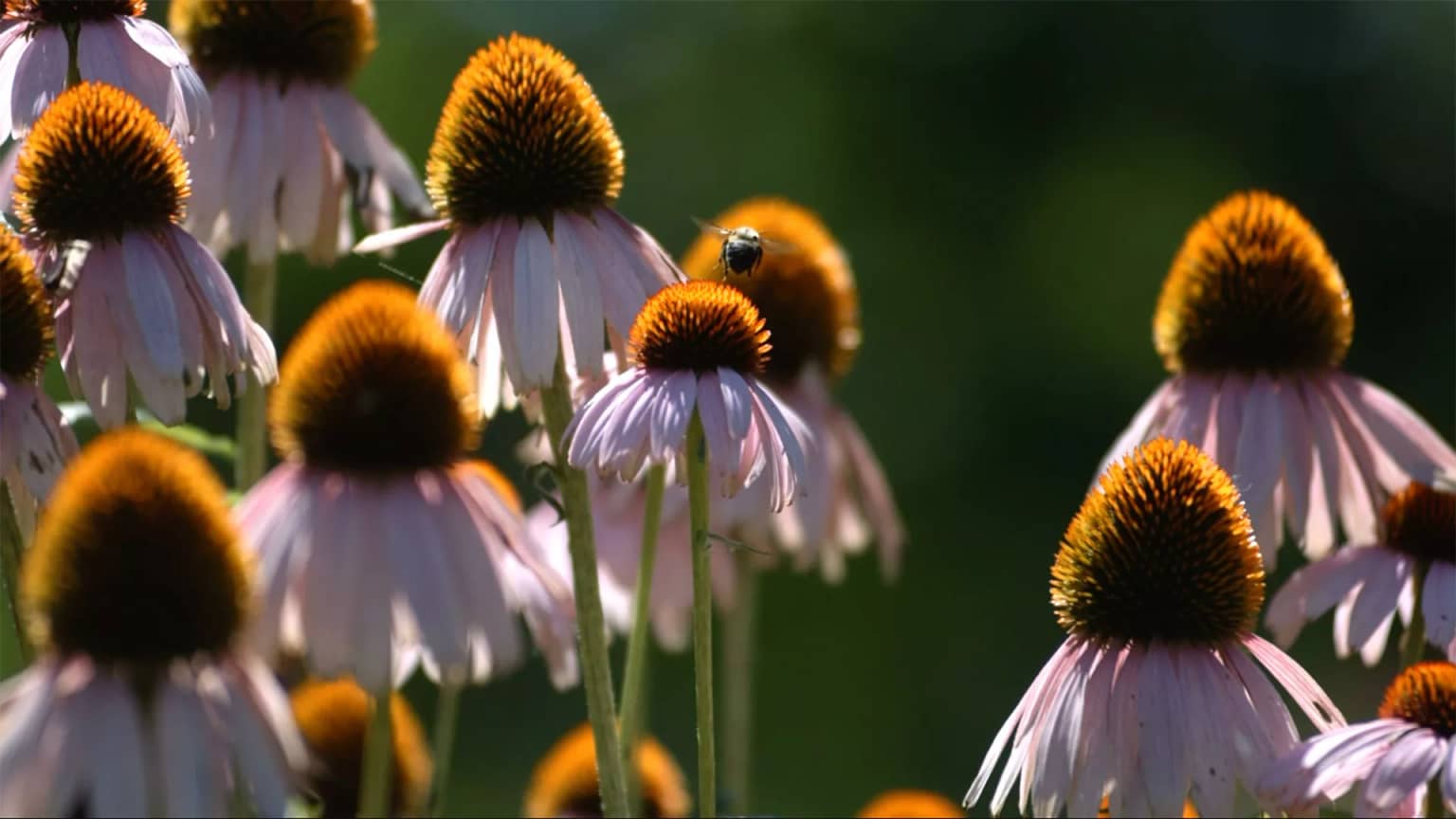
Explore how native plants support wildlife, conserve water and create healthier outdoor spaces in Hampton Roads.
Learn More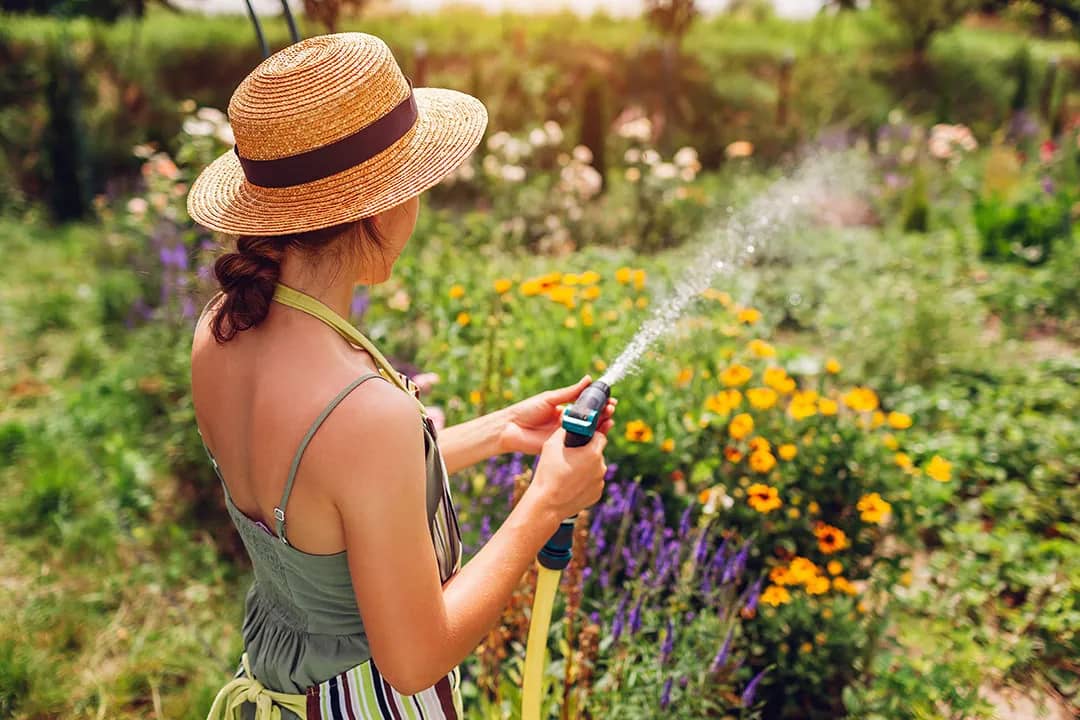
Learn simple ways to save water indoors and outdoors while supporting reliable water resources across Hampton Roads.
Learn More