Water Conservation
Learn simple ways to save water indoors and outdoors while supporting reliable water resources across Hampton Roads.
Learn More
;%20}%20%3c/style%3e%3c/defs%3e%3cg%20id='c'%20data-name='Layer%201'%3e%3cpath%20class='d'%20d='M1308,389.62c0-130.65-108.28-246.14-274.2-316.6-13.54-5.83-27.31-11.2-41.54-16.33-4.43-1.63-9.1-3.03-13.77-4.67-13.3-4.67-26.84-8.87-40.61-12.83-8.87-2.57-17.73-4.9-26.84-7.23-4.43-1.17-9.1-2.1-13.77-3.27C821.67,10.5,739.76,0,653.18,0,292.4-.23,0,173.81,0,388.45c0,118.52,89.38,224.67,229.86,296.06,113.88,57.86,261.6,92.86,422.85,92.86,75.38,0,147.49-7.7,214.93-21.7,0,0,.7,0,1.87-.47,2.1-.47,4.2-.93,6.3-1.4,2.8-.47,6.07-.7,9.8-.7,11.43,0,27.3,3.5,44.57,15.86,46.91,40.36,107.12,66.03,173.15,66.03,15.64,0,23.8-1.87,31.5-3.03-52.97-14.46-105.01-65.79-58.34-145.82,141.42-71.39,231.5-177.78,231.5-296.76v.23Z'/%3e%3c/g%3e%3c/svg%3e)
The good news is that many common leaks are easy and inexpensive to fix. By checking toilets, faucets, showerheads, hose connections and irrigation systems, you can help conserve water, lower utility costs and keep your home running efficiently.

Each March, Fix-A-Leak Week is a reminder to check worn toilet flappers, tighten showerhead connections and inspect faucet washers. It is a simple way to stop wasting water, prevent small leaks from adding up and start saving money.

Small leaks can add up quickly. Worn toilet flappers, dripping faucets, leaking showerheads and faulty valves are some of the most common sources of household water waste.
Fixing leaks means less water wasted and more money saved. Taking a few minutes to check your home can help you find problems early before they waste more water or cause bigger issues.

A good way to check for leaks is to look at your water use and watch your water meter. If a family of four uses more than 12,000 gallons of water per month, there may be a serious leak.
You can also check your water meter before and after a period when no water is being used. If the meter reading changes, you may have a leak.
Common places to check include:

Toilets are one of the most common places for household leaks. To check for a toilet leak, place a few drops of food coloring in the toilet tank and wait without flushing. If the color appears in the bowl, you have a leak.
Be sure to flush immediately after the test to avoid staining the tank or bowl. If your toilet is leaking, the cause is often an old or faulty toilet flapper, which is usually an inexpensive and simple part to replace.
Many household leaks can be fixed with simple repairs. Leaky faucets may need new washers or gaskets, while showerheads may need a tighter connection with pipe tape and a wrench.
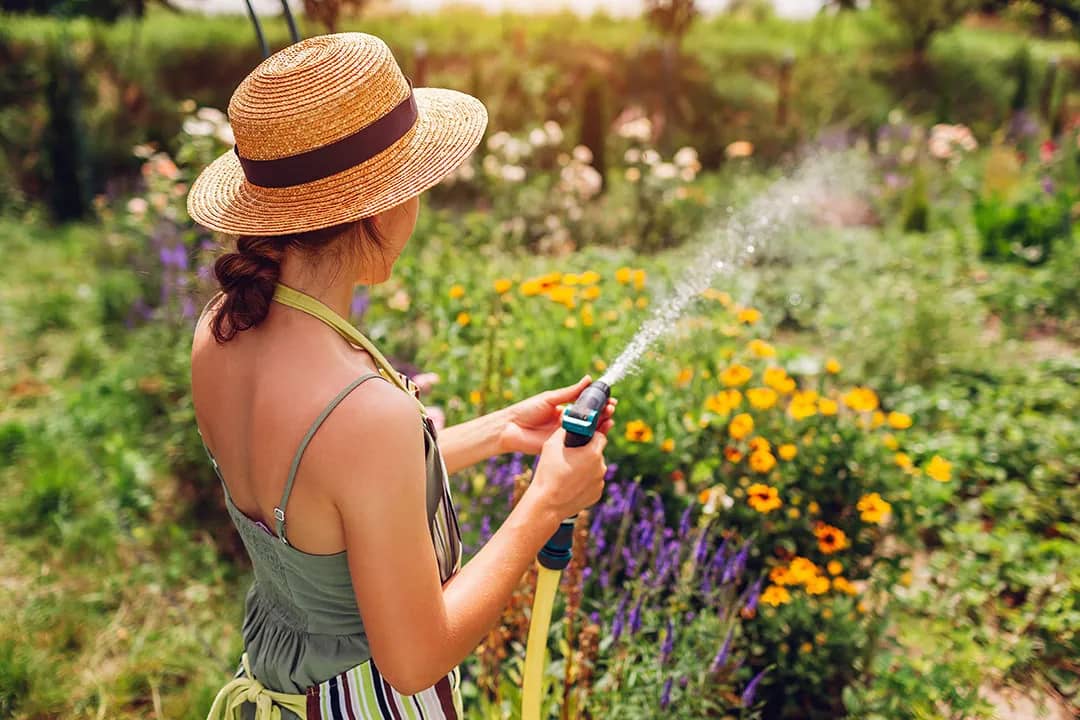
Outdoors, check garden hoses, spigots and irrigation systems for leaks or damage, especially in the spring after freezing winter weather. Replace worn washers, tighten connections and repair damaged irrigation components as needed.
Learn simple ways to save water indoors and outdoors while supporting reliable water resources across Hampton Roads.
Learn More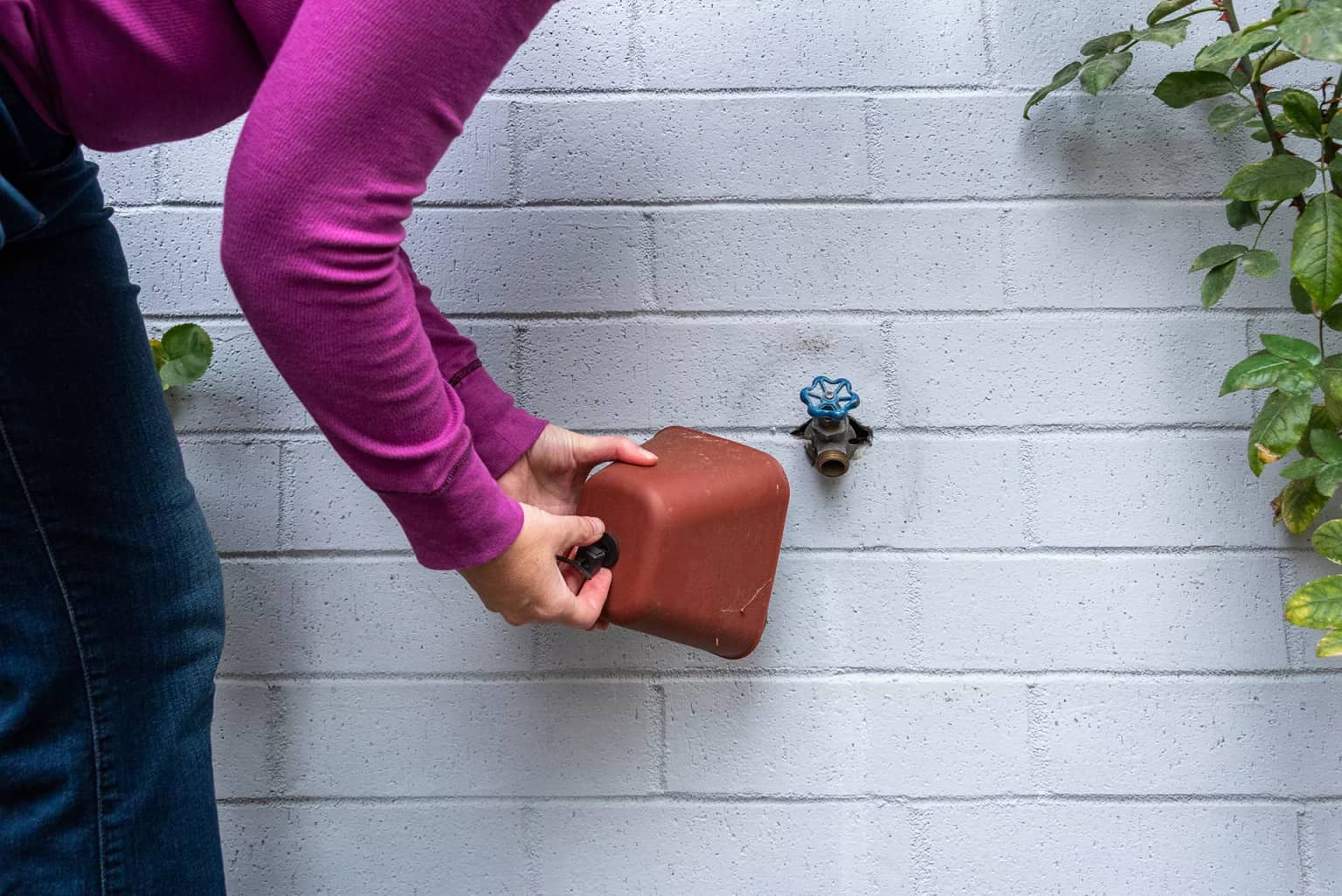
Your home’s plumbing system plays an important role in protecting water quality and preventing water loss – especially during colder months or in older homes.
Learn More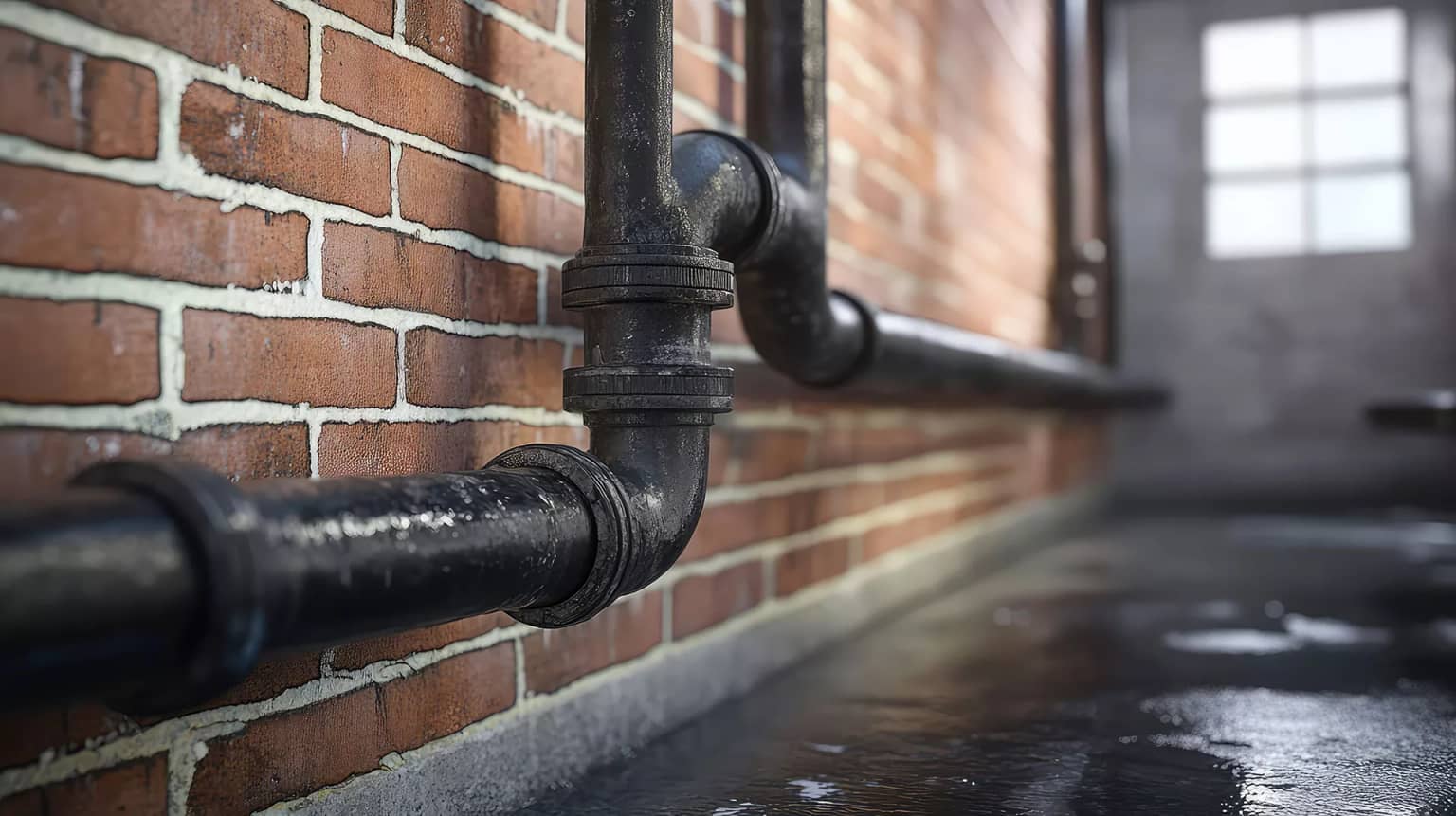
Find tips for protecting pipes, preventing winter damage and understanding how pipe safety supports reliable water service.
Learn More