Water Conservation
Learn simple ways to save water indoors and outdoors while supporting reliable water resources across Hampton Roads.
Learn More
;%20}%20%3c/style%3e%3c/defs%3e%3cg%20id='c'%20data-name='Layer%201'%3e%3cpath%20class='d'%20d='M1308,389.62c0-130.65-108.28-246.14-274.2-316.6-13.54-5.83-27.31-11.2-41.54-16.33-4.43-1.63-9.1-3.03-13.77-4.67-13.3-4.67-26.84-8.87-40.61-12.83-8.87-2.57-17.73-4.9-26.84-7.23-4.43-1.17-9.1-2.1-13.77-3.27C821.67,10.5,739.76,0,653.18,0,292.4-.23,0,173.81,0,388.45c0,118.52,89.38,224.67,229.86,296.06,113.88,57.86,261.6,92.86,422.85,92.86,75.38,0,147.49-7.7,214.93-21.7,0,0,.7,0,1.87-.47,2.1-.47,4.2-.93,6.3-1.4,2.8-.47,6.07-.7,9.8-.7,11.43,0,27.3,3.5,44.57,15.86,46.91,40.36,107.12,66.03,173.15,66.03,15.64,0,23.8-1.87,31.5-3.03-52.97-14.46-105.01-65.79-58.34-145.82,141.42-71.39,231.5-177.78,231.5-296.76v.23Z'/%3e%3c/g%3e%3c/svg%3e)
Older plumbing materials can affect the water you use for drinking and cooking. While treated drinking water is safe when it leaves the utility, it can come into contact with lead through older pipes, fixtures or service lines before reaching your tap. Understanding your home’s plumbing and knowing what steps to take can help reduce potential lead exposure and protect the water your household uses every day.

Lead can sometimes be found in older plumbing materials, including service lines, pipes and fixtures. These materials may affect water quality when water sits in or moves through parts of a home’s plumbing system.
What to Know:

If you are concerned about lead in your plumbing, start by checking exposed pipes where they enter your home or connect near your water meter.
Pipe Identification Tips:
You can also use a home test kit or hire a certified plumber to help identify plumbing materials.

If your home has older plumbing or you are concerned about lead, simple steps can help reduce potential exposure.
Ways to Reduce Exposure:
If lead is present, replacing pipes is the most effective long-term solution. You can also contact your local water utility for guidance and available resources.
Questions about your service line, local water quality or available resources should be directed to your local water utility. They can help provide guidance specific to your community and water system.
Learn simple ways to save water indoors and outdoors while supporting reliable water resources across Hampton Roads.
Learn More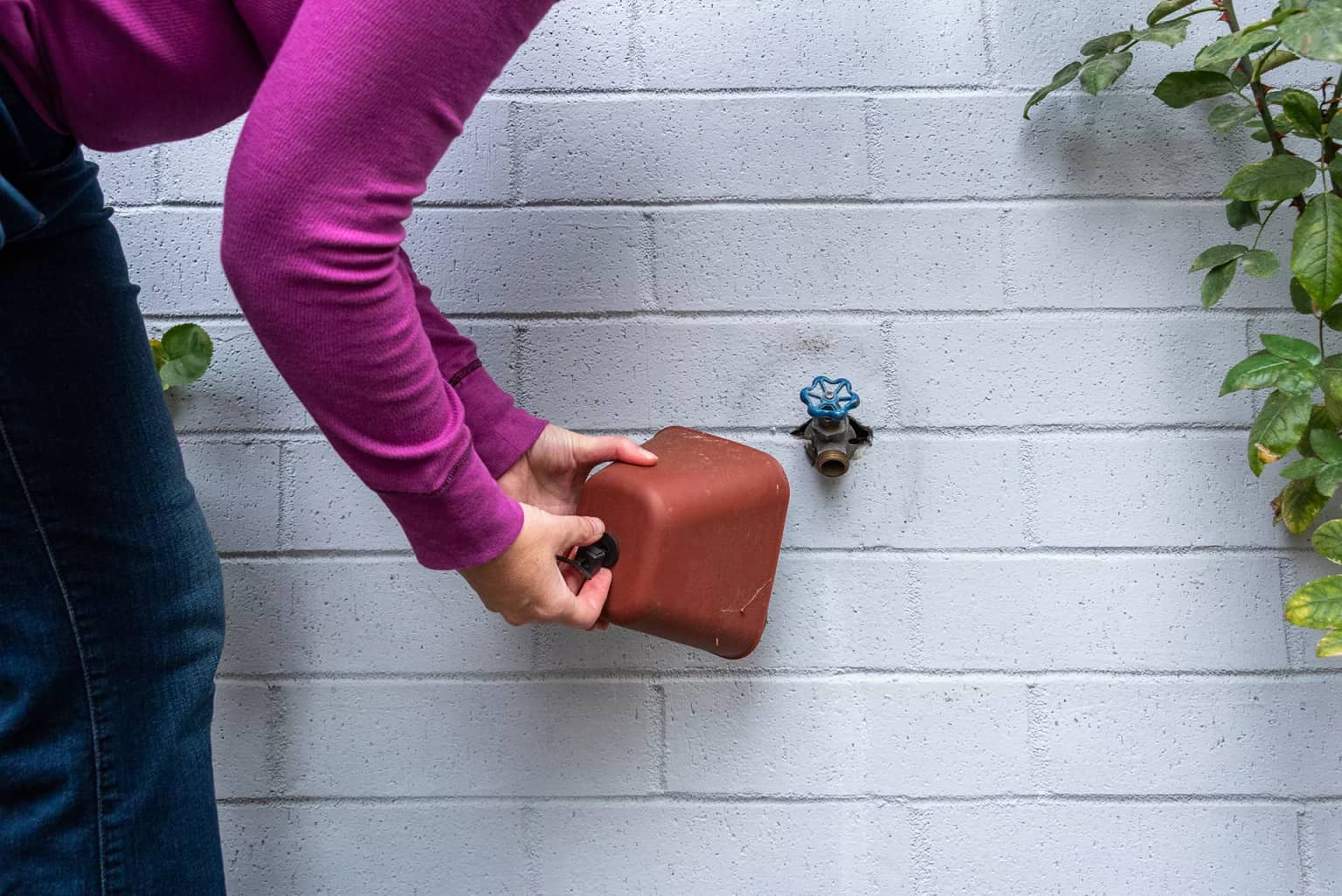
Your home’s plumbing system plays an important role in protecting water quality and preventing water loss – especially during colder months or in older homes.
Learn More
Learn where Hampton Roads tap water comes from and why public drinking water is safe, reliable and worth protecting.
Learn More