Conserving Water Indoors
Learn simple ways to save water indoors while supporting reliable water resources across Hampton Roads.
Learn More
;%20}%20%3c/style%3e%3c/defs%3e%3cg%20id='c'%20data-name='Layer%201'%3e%3cpath%20class='d'%20d='M1308,389.62c0-130.65-108.28-246.14-274.2-316.6-13.54-5.83-27.31-11.2-41.54-16.33-4.43-1.63-9.1-3.03-13.77-4.67-13.3-4.67-26.84-8.87-40.61-12.83-8.87-2.57-17.73-4.9-26.84-7.23-4.43-1.17-9.1-2.1-13.77-3.27C821.67,10.5,739.76,0,653.18,0,292.4-.23,0,173.81,0,388.45c0,118.52,89.38,224.67,229.86,296.06,113.88,57.86,261.6,92.86,422.85,92.86,75.38,0,147.49-7.7,214.93-21.7,0,0,.7,0,1.87-.47,2.1-.47,4.2-.93,6.3-1.4,2.8-.47,6.07-.7,9.8-.7,11.43,0,27.3,3.5,44.57,15.86,46.91,40.36,107.12,66.03,173.15,66.03,15.64,0,23.8-1.87,31.5-3.03-52.97-14.46-105.01-65.79-58.34-145.82,141.42-71.39,231.5-177.78,231.5-296.76v.23Z'/%3e%3c/g%3e%3c/svg%3e)
Outdoor water use can add up quickly, especially during warmer months when lawns, gardens and landscapes need extra care. Many plant problems come from overwatering rather than underwatering, and an inefficient sprinkler can deliver as much as 300 gallons an hour onto a lawn.
During dry periods, landscape watering can consume up to 75% of a household’s total water bill. By watering wisely and choosing water-friendly landscaping practices, you can help reduce waste, lower costs and protect the water resources Hampton Roads depends on.

Outdoor water use can increase quickly during warmer months, especially when watering lawns, gardens and landscapes. Watering wisely helps protect local water resources while keeping outdoor spaces healthy.
Outdoor water-saving tips:
The plants and landscaping choices around your home can make water conservation easier. Choosing the right plants, improving soil and grouping plants by water needs can help your yard use water more efficiently.

Watering wisely helps your yard stay healthy while reducing water waste. By adjusting when and how you water, choosing plants that fit our region and using water-friendly landscaping practices, you can care for your outdoor spaces while using less water.
Learn simple ways to save water indoors while supporting reliable water resources across Hampton Roads.
Learn More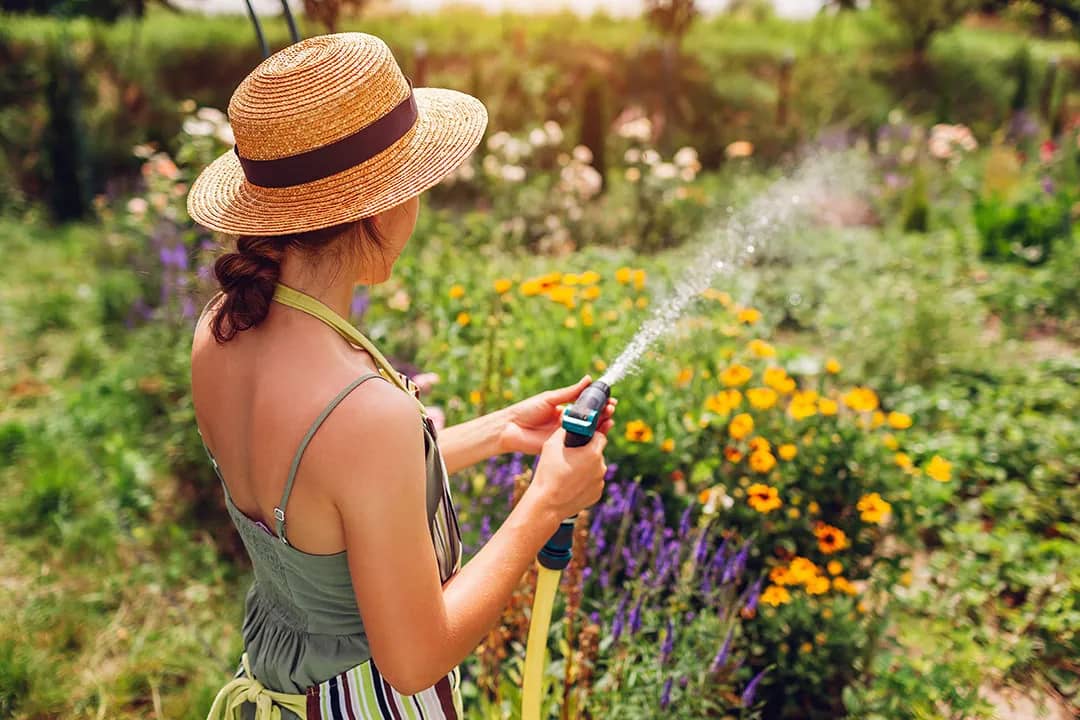
Learn simple ways to save water indoors and outdoors while supporting reliable water resources across Hampton Roads.
Learn More
Learn where Hampton Roads tap water comes from and why public drinking water is safe, reliable and worth protecting.
Learn More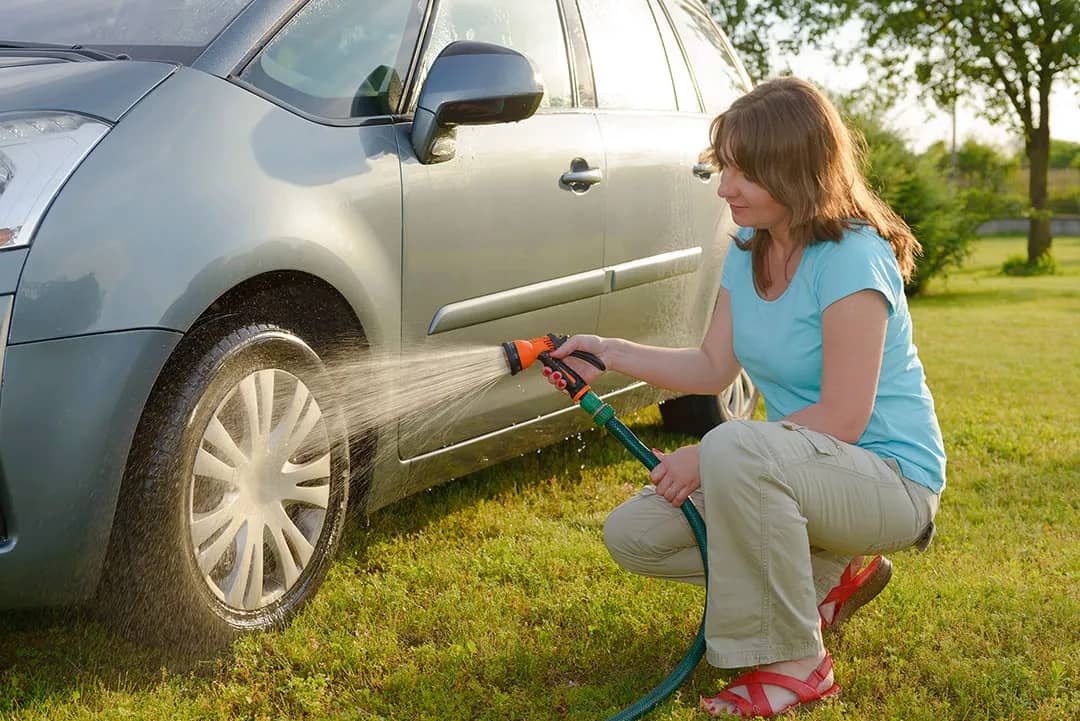
Learn how washing your car the right way can reduce runoff pollution and help protect local storm drains and waterways.
Learn More